Community Corner
Burlington County Horse Among First Casualties of EEE in New Jersey This Year
The 6-year-old Burlington County gelding was not vaccinated and began showing signs of illness on Sept. 21. It was euthanized that day.


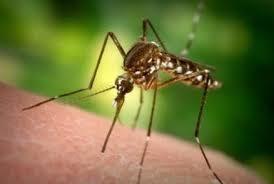
A horse from Burlington County was among three horses in southern New Jersey that has died of Eastern Equine Encephalitis (EEE), a serious, mosquito-borne illness in horses, the New Jersey Department of Agriculture announced Thursday afternoon.
The 6-year-old Burlington County gelding was not vaccinated and began showing signs of illness on Sept. 21. It was euthanized that day.
It and horses from Gloucester and Ocean counties are the first three cases of the disease reported this year.
Find out what's happening in Cinnaminsonfor free with the latest updates from Patch.
“Horse owners need to be vigilant in vaccinating their animals against diseases spread by mosquitoes,” New Jersey Secretary of Agriculture Douglas H. Fisher said. “Vaccinated animals are much less likely to contract deadly diseases such as EEE and West Nile Virus.”
EEE causes inflammation of the brain tissue and has a significantly higher risk of death in horses than West Nile Virus infection.
Find out what's happening in Cinnaminsonfor free with the latest updates from Patch.
West Nile virus is a viral disease that affects horses’ neurological systems.
The disease is transmitted by mosquito bite.
The virus cycles between birds and mosquitoes with horses and humans being incidental hosts.
EEE infections in horses are not a significant risk factor for human infection because horses (like humans) are considered to be “dead-end” hosts for the virus.
In 2013, New Jersey had two cases of EEE in August. No cases of West Nile Virus (WNV) were reported last year.
Effective equine vaccines for EEE and WNV are available commercially. Horse owners should contact their veterinarians if their horses are not already up-to-date on their vaccinations against both EEE and WNV.
For more information about EEE in horses, visit www.cfsph.iastate.edu/FastFacts/pdfs/easter_wester_venezuelan_equine_encephalomyelitis_F.pdf.
EEE and West Nile virus, like other viral diseases affecting horses’ neurological systems, must be reported to the state veterinarian at 609-671-6400 within 48 hours of diagnosis. The New Jersey Animal Health Diagnostic Laboratory is available to assist with EEE and WNV testing and can be reached at 609-671-6999.
Get more local news delivered straight to your inbox. Sign up for free Patch newsletters and alerts.