Schools
East Brunswick Schools Facing $5.6M Deficit Driven By Health Costs, Charter Payments
Despite receiving a $2.2 million boost in state aid, officials say the district still faces a nearly $5.6 $5.6 million deficit.


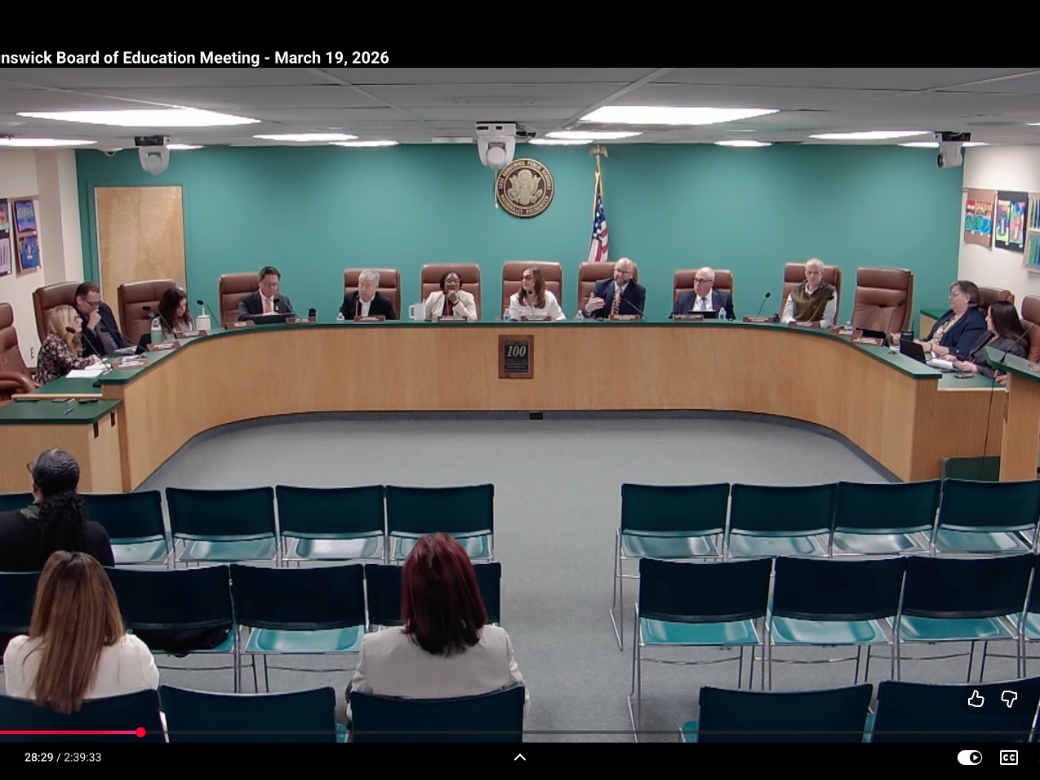
EAST BRUNSWICK, NJ — The East Brunswick school district is facing a projected budget deficit of nearly $5.6 million for the 2026-2027 school year, driven by a historic spike in health insurance premiums, rising special education costs and growing charter school payments that will consume nearly half of the district's state aid increase.
The figures were presented during a public board of education meeting, where administrators outlined a budget in which projected appropriations of $214 million outpace projected revenues of roughly $200.9 million.
The district received $39.5 million in state aid for fiscal year 2027 — an increase of approximately $2.2 million over the current year. But officials said the gain falls far short of what is needed, noting that even with the bump, state aid has not recovered to fiscal year 2024 levels in real terms, with inflation having significantly eroded purchasing power.
Find out what's happening in East Brunswickfor free with the latest updates from Patch.
Nearly half of that increase — approximately $960,000 — will be immediately redirected to mandatory charter school payments. The largest driver is enrollment growth at one charter school, which has climbed from 393 students in the current year to a projected 435, a 42-student jump that alone accounts for $924,000 in added costs. Two brand-new charter schools are also drawing East Brunswick students, with three separate schools each enrolling a single student and receiving more than $43,000 per pupil in tuition, not including transportation.
Board members questioned how a charter school already near capacity could project more than a 10 percent enrollment increase, noting that the district must budget for projected figures it cannot independently verify. Officials confirmed that while East Brunswick's state aid is calculated on actual enrollment as of Oct. 15, charter schools can add students mid-year, and the district is obligated to pay with no mechanism to recover additional revenue.
Find out what's happening in East Brunswickfor free with the latest updates from Patch.
"Every student that's going there, they're taking $16,000 away from our budget," one board member said.
Charter school transportation adds another $552,000 to next year's budget. Combined with roughly $340,000 to $350,000 in transportation subsidies for nonpublic school students, the district is projecting more than $1.1 million in transportation costs for students not enrolled in East Brunswick public schools.
The single largest budget pressure is health benefits. The district, which is self-insured, is facing a 22 percent premium increase — a figure officials called historically unprecedented — resulting in a $7.9 million jump in health benefit costs. By comparison, last year's increase was 7 percent. Districts on the state health benefit plan are seeing increases of 31 percent to 37 percent.
A significant portion of the surge stems from a shift in employee benefit plans. Under state law, all staff hired after July 1, 2020 must enroll in the Chapter 44 benefit plan, which requires substantially lower employee contributions than the Chapter 78 plan covering longer-tenured staff.
As veteran employees retire and are replaced, the district absorbs higher premiums with less employee cost-sharing. Officials said the legislative intent to reduce premiums through Chapter 44 has not materialized and has instead cost districts more money statewide.
Special education costs are also climbing. Since the Oct. 15 enrollment snapshot used to calculate state aid, the district has placed 11 additional students in out-of-district programs. Those placements carry no cost caps, and providers can charge what they choose — with tuition bills sometimes arriving a year or two after the fact. The net increase in special education purchased services is projected at $2 million, not including transportation.
A board member also raised a long-standing funding inequity, noting that the state assumes a 15 percent special education population when calculating aid, while East Brunswick's rate runs closer to 19 percent to 20 percent. The member estimated the gap costs the district $5 million to $7 million annually and has persisted for close to a decade.
Transportation costs are projected to rise by $973,000, based on required routes and a 3.58 percent Consumer Price Index adjustment — the maximum allowable contract increase under state law. Officials said they are negotiating with contracted providers to come in below the cap.
To close the gap, administrators outlined initial steps already underway, including restructuring the Financial Services Department, not filling support-side retirement vacancies and reallocating lunch aide and custodial costs to the Child Nutrition Department.
Officials said those moves address a portion of the shortfall, with more cuts needed ahead of the formal tentative budget presentation soon.
Have a correction or a news tip? Email sarah.salvadore@patch.com
Get more local news delivered straight to your inbox. Sign up for free Patch newsletters and alerts.