Health & Fitness
Rabid Raccoon Found In East Brunswick
Here's the breakdown of all five rabid animals found so far this year in Middlesex County:


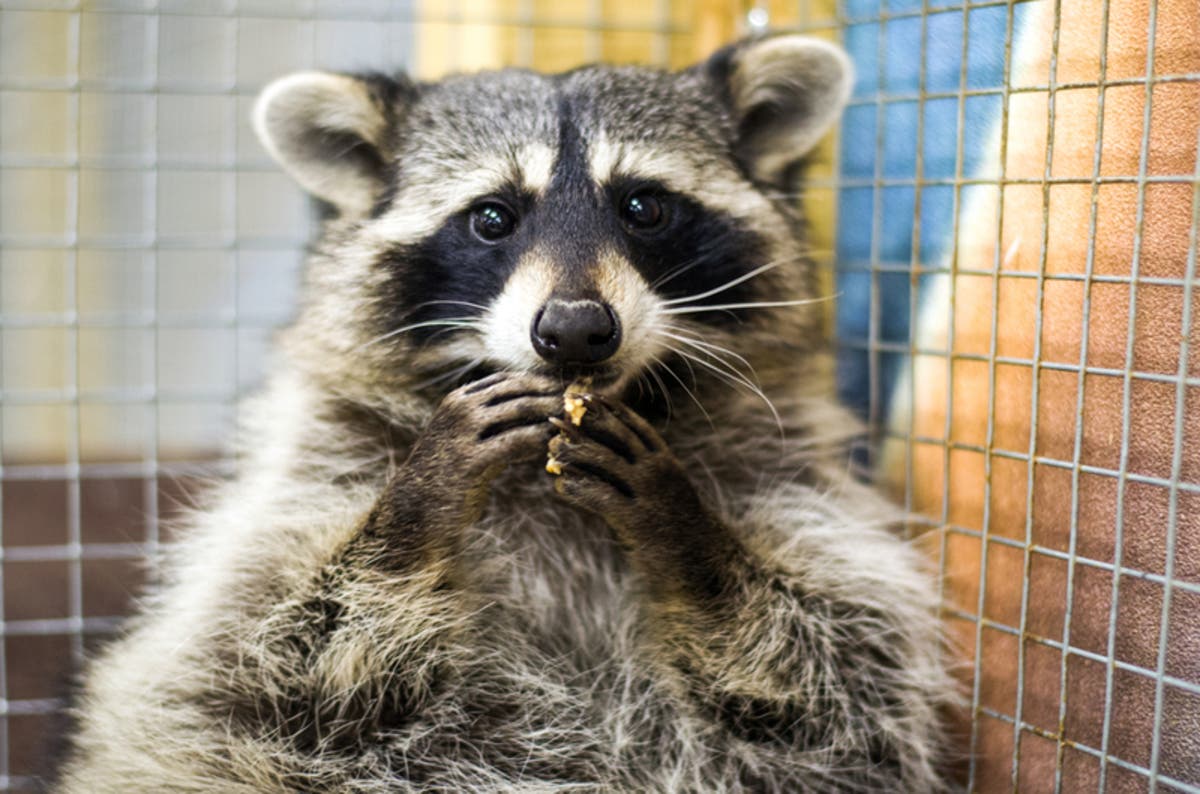
EAST BRUNSWICK, NJ — A raccoon found in East Brunswick Twp. earlier this month tested positive for rabies, the Middlesex County Office of Health Services reported.
The raccoon was displaying "neurological symptoms" in a resident's backyard on Washington Avenue and Port St. Animal Control was called and the raccoon was euthanized.
This is the fifth rabid animal found in Middlesex County so far this year. It's the first found in East Brunswick. Compare that to 2016, when a whooping 21 rabid animals were found in the county.
Find out what's happening in East Brunswickfor free with the latest updates from Patch.
Here's the breakdown of all five rabid animals found so far this year in Middlesex County:
Middlesex borough, May 9: A man was trying to remove a rabid raccoon from his backyard when he was bitten by it. The raccoon was euthanized and the man received rabies shots as a precaution. This happened in the vicinity of Melrose Ave. and Mohawk Ave. in the borough.
Find out what's happening in East Brunswickfor free with the latest updates from Patch.
Middlesex borough: A few days after that incident, a feral cat with rabies was found in the same area of Melrose Avenue.
East Brunswick, April 28: A rabid raccoon was found in someone's backyard on Washington Avenue in East Brunswick. No human or pet exposures.
New Brunswick, Feb. 20: A dog killed a skunk in the area of New York Avenue and Lincoln Place within New Brunswick city limits. The skunk's carcass was sent to a state lab, where it tested positive for rabies. The dog was up to date on rabies vaccines and showed no signs of the virus.
Monroe Township, Feb. 5: A dog killed a raccoon in the area of Spotswood Gravel Hill Road and Garvey Drive in Monroe Twp. The raccoon was found to have rabies and the dog, which had been vaccinated, showed no signs of the virus.
Middlesex County residents should avoid contact with wild animals and immediately report any bites from wild or domestic animals to your local health department and consult a physician as soon as possible.
Signs of unusual animal behavior could include the following:
- Moving very slowly, acting as if it is tame
- Appears to be sick
- Having problems swallowing
- Having an increase in saliva
- Having an increase in drooling
- Acting aggressively
- Having difficulty moving
- Paralysis
- Bites at everything
Shutterstock / sokoloko
Get more local news delivered straight to your inbox. Sign up for free Patch newsletters and alerts.