Community Corner
Coronavirus Covid-19: Are We Helpless or Not?
Coronavirus can get transmitted from person to person without known sick contacts or travel history.

Whether the novel coronavirus COVID-19 came out of an animal market with poor sanitary conditions in Wuhan, China, or other sources, it is spreading around the world, and it is real. How can we not panic? Hospitals in Wuhan province are overwhelmed with sick patients. Coronavirus COVID-19 spread to the US, Italy, Israel, Estonia, Japan, Korea, Iran, Thailand and other countries. The Center for Disease Control warns that we need to prepare for the community spread of coronavirus, which means that it can get transmitted from person to person without known sick contacts or travel history. We may not be able to contain it, but we can try to mitigate the spread by utilizing some important strategies.
While awaiting global collaboration between scientists and researchers, hoping for diagnostic tests and vaccine to be available, the following information and recommendations should be implemented right away.
Start by learning what the symptoms are and contact your doctor’s office for further instructions. Incubation period (the time between contracting the virus and manifesting the symptoms) are 2-14 days. Main symptoms of coronavirus COVID-19 are fever, cough, shortness of breath, fatigue, and sometimes aches and sore throat. Most cases are mild, but sometimes they progress to more severe respiratory illness, pneumonia, ARDS and death. Older people (mean age 59), males and people with chronic conditions, such as diabetes and cardiovascular disease are affected more. Sometimes, patients seem to worsen on days 7 to 8 and experience severe respiratory distress, pneumonia, shortness of breath which requires immediate hospitalization and life support measures. If they recover from that, their full recovery is almost certain. People with weak immune systems are less able to ward off this illness.
Find out what's happening in East Hanover-Florham Parkfor free with the latest updates from Patch.
Some are wondering how Coronavirus COVID-19 differs from a flu virus. Coronavirus COVID-19 is caused by a single virus which seems to be more contagious, spreads through direct contact from person to person and through air droplets, which means that within 6 feet radius you’re prone to get the disease. These droplets can land in the noses of people who are nearby and possibly be inhaled into the lungs. It may be possible that a person can get coronavirus by touching the surface or object that has the virus on it and then touching their own mouth, nose or possibly their eyes but this is not thought to be the main way the virus spreads. Someone can spread the virus without being sick, although people are thought to be most contagious when they are very sick. Diagnostic tests for COVID-19 are limited to select hospitals and health departments. There is no vaccine and there is no specific treatment, although Remdesivir is being now investigated as a possible treatment. Currently, the death rate seems to be 2-4%, unless it progresses to the level of a pandemic, where the fatality rate is much higher, as it was in the case of a SARS with a mortality rate of 9%. Flu, on the other hand, is caused by several viruses, such as Influenza A and B, and its incubation period is 1-4 days. It is characterized by high fever, severe fatigue, back aches and it may also progress to pneumonia, bacterial superinfections and death. Rapid diagnostic tests are readily available. Flu vaccines have a prevention rate of 40-60%, and several antiviral medications are also available for treatment. Death rate of influenza is 0.1%.
It is important for the doctors’ offices to have Telemedicine capabilities so that a person can call, schedule a virtual consultation and be given recommendations without having to come out of the house and potentially infect other people. As the virus spreads through the US, it will be more and more important to utilize Telemedicine to help prevent further spread in the community.
Find out what's happening in East Hanover-Florham Parkfor free with the latest updates from Patch.
As we seem so vulnerable now in the face of a new virus, let’s not forget that we can all follow simple behavioral techniques for prevention.
-Use clean water and food supply, avoid contact with people who are sick, avoid touching your eyes, nose and mouth, stay home when you’re sick, cover your cough and sneeze with tissue and throw the tissue in the trash.
-Clean and disinfect frequently touched objects and surfaces using regular household cleaning spray
- Facemasks should be worn by sick people to prevent the spread and healthcare personnel, not by healthy people
-Wash your hands with soap and water for at least 20 seconds especially after going to the bathroom, before and after eating. If soap and water are not available use alcohol-based sanitizers with at least 60% alcohol.
-If you think you were exposed, quarantine duration is at least 14 days to be closely monitored for any developing symptoms
-If you’re sick or suspect you’re infected, stay at home, except to get medical care. Do not go to work, school or public areas. Avoid using public transportation. Separate yourself from other people and animals in your home. As much as possible, you should stay in a separate room and away from other people in your home.
-Monitor your symptoms and seek proper medical attention if your illness is worsening. Call your doctor or a local Emergency Room ahead of visiting the office or a hospital.
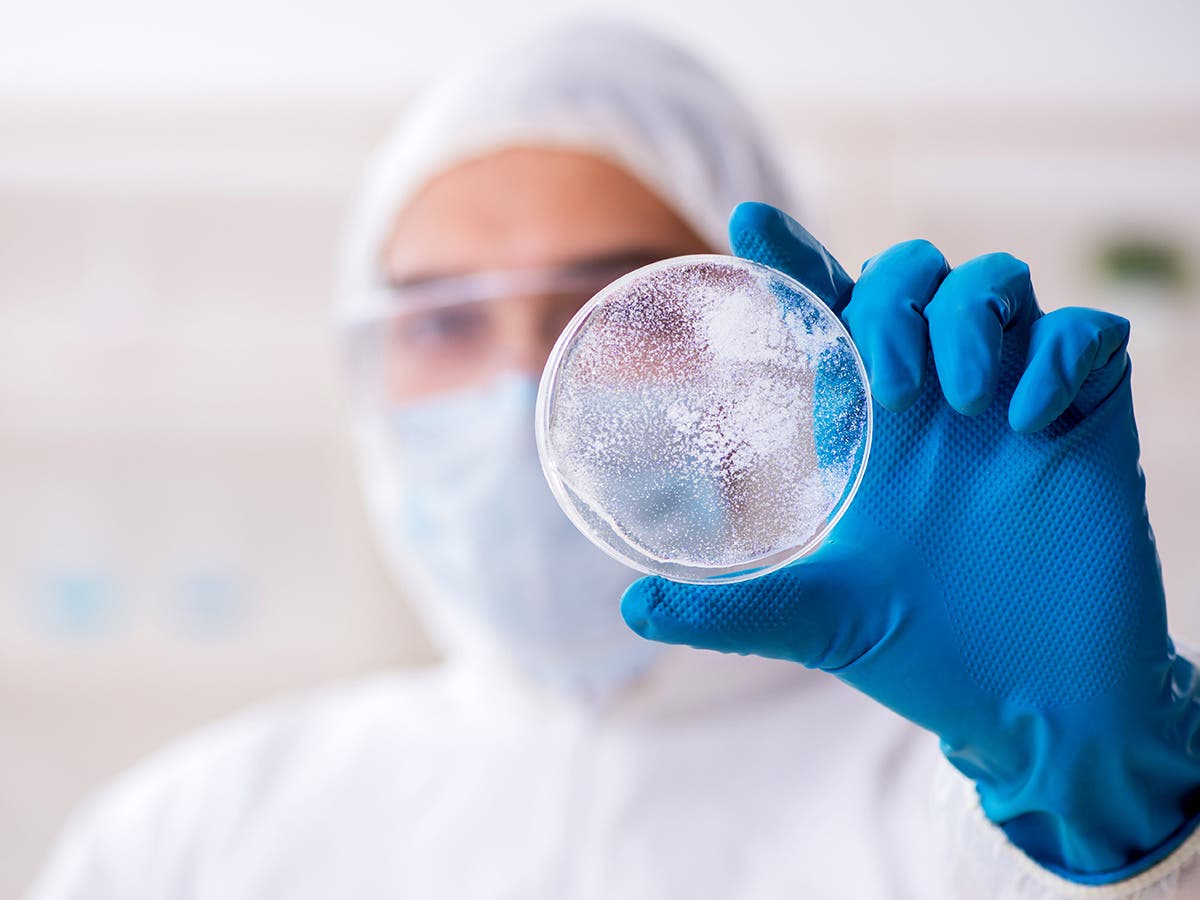
There are also a number of supplements which can be taken in order to boost the immune system and to take in case of a viral illness. Although not endorsed by mainstream medicine, they are widely used by functional and integrative doctors, as we all alternative healthcare providers.
Oil of Oregano is known to have antimicrobial properties, including antiviral and antibacterial. It can be started at the onset of a viral illness and taken 2 capsules twice a day.
Olive leaf extract has been shown to have antimicrobial and antioxidant properties. It can also lower blood pressure, balance sugars in diabetics and increase metabolism. It could be taken as 1 teaspoon of tincture 2 to 3 times a day at the first sign of viral illness. It works well with the oil of oregano.
Echinacea has been long known to be used for cold and flu symptoms. It has activity against influenza virus and upper respiratory infections. It has an effect to decrease the ability of a virus to infect cells.
Elderberry syrup has been known to be a potent flu fighter and works well to boost the immune system. It is an immune system modulator, containing phenolic acids, vitamin C and quercetin. If you choose to make it yourself, you must follow strict instructions and be careful by making it through boiling fresh and organic dried berries, as it may contain a small amount of toxic cyanide if not prepared properly.
Vitamin C is a vitamin with many positive effects to help boost the immune system. Taking several grams a day orally has antiviral properties. Research shows that administering it intravenously, in high doses according to a special protocol, can help eliminate viruses in the matter of hours.
Vitamin D can help strengthen and modulate the immune system. I recommend using 10,000 units a day for a week when you’re sick and about 5,000 units a day preventatively, according to your blood levels.
Magnesium is an important micronutrient and has been investigated as an immune system modulator. It can be taken orally and applied topically, in the form of Magnesium chloride.
Selenium is a nutritional antioxidant that carries out biological effects through its incorporation into selenoproteins. Its deficiency in the body can render the immune system unable to initiate immune response. In fact, in the selenium deficient region of China, Keshan disease related to a coxsackievirus has been reported. Taking at least 30 mg of selenium will help maintain adequate levels.
Immune system boosters in the form of immunoglobulins IgA will help fight inflammation against toxins and viral invaders. Those can be taken in the capsule form and are derived from bovine serum or from colostrum.
Gluten mediated inflammation in sensitive people produces toxic mediators which weaken the immune system rendering it less capable of fighting viruses and bacteria. Have your food sensitivities checked and structure your diet to consume foods which do not produce inflammation in your body. In general, consuming foods which decrease inflammation, such as lean proteins of plant or animal origin, green leafy vegetables, and fermented foods will be safe choices to maintain a healthy immune system.
Probioitcs can help change the microbiome in your gut to favor microorganisms which support our immunity. Checking your microbiome and supplementing with appropriate probiotics may help boost your immune system response.
In conclusion, as this article is not a substitute for personalized medical advice, and there are still many unknowns with how coronavirus’s trajectory will play out, we anticipate severe disruption of everyday life as Coronavirus COVID-19 spreads through the world. By following the recommended techniques for prevention, containment, immune system support and visiting a doctor virtually through Telemedicine, we can exercise some control in the face of this novel uncertainty brought by coronavirus COVID-19.
In health
Natasha Fuksina, MD
This post is an advertorial piece contributed by a Patch Community Partner, a local sponsor. The views expressed in this post are the author's own.
For more about Community Partner, click here.