Neighbor News
F.A.S.T Action Helps Save Lives: Understanding Stroke Symptoms and Risk Factors
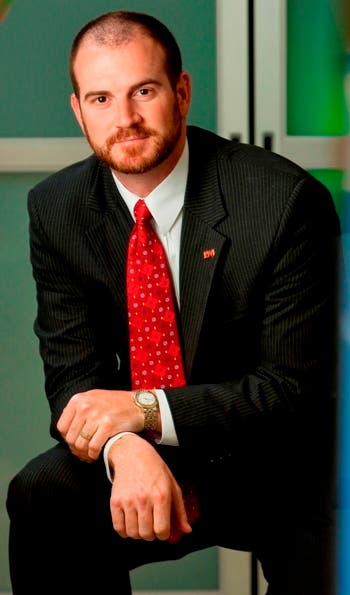
By James S McKinney III, M.D., Assistant Professor of Neurology at Rutgers Robert Wood Johnson Medical School

Every 40 seconds someone experiences a stroke. With an average of 130,000 deaths each year, stroke is the fifth leading cause of death in the United States, according to the Centers for Disease Control and Prevention.
Despite these unsettling numbers, the vast majority of Americans do not consider stroke as a major health concern and most are unable to identify stroke warning signs. This May, for National Stroke Awareness Month, become familiar with the symptoms and risk factors of stroke because they are preventable, treatable and beatable.
Ischemic strokes occur when blood flow to the brain is either interrupted or reduced. When this happens, the brain doesn’t receive enough oxygen or nutrients, which causes brain cells to die. As the brain cells die, a loss of brain function takes place and vital body functions begin to show signs of impairment. That’s why it is so important to know the warning signs of stroke and what to do in an emergency.
Find out what's happening in East Windsorfor free with the latest updates from Patch.
The acronym F.A.S.T. is an easy way to remember the sudden signs and symptoms of stroke. If you see someone suffering from these symptoms, be sure to call 9-1-1 for help right away:
- Face drooping—When one side of the face droops or is completely numb, this could be a sign of stroke. If you are unsure, ask the person to smile and if their smile is uneven, call for help.
- Arm Weakness—Another sign of stroke is when one arm becomes weak or numb. Ask the person to raise both arms and if one arm drifts downward, they may be having a stroke.
- Speech Difficulty—If the person is unable to speak, hard to understand or slurring his or her words, they may be experiencing a stroke. Ask the person to repeat a simple sentence, such as “the sun is yellow” and see if they have trouble repeating it correctly.
- Time to call 9-1-1—When someone shows any of these symptoms, even if they go away, call 9-1-1 and get them to the hospital immediately. Also, check the time so you can tell the doctor when the first symptoms appeared.
Aside from knowing the symptoms, there are many health and lifestyle factors that can be managed and controlled, and if done so properly, can immensely decrease the risk of suffering a stroke:
Find out what's happening in East Windsorfor free with the latest updates from Patch.
Stop smoking. Smoking doubles your risk of suffering from a stroke, because it causes high blood pressure, clogs arteries and damages blood vessels. By quitting this bad habit, you are likely to reverse its effects and mitigate the risk of a stroke.
Manage alcohol intake. Too much alcohol can lead to high blood pressure, which can increase the likelihood of suffering a stroke. Be sure to manage your drinking throughout your life as a means of avoiding high blood pressure and a potential stroke in the future.
Manage and monitor your blood pressure and cholesterol. Both your blood pressure and cholesterol are major risk factors if not properly treated or acknowledged. Because neither of these conditions have signs or symptoms, it is very important to visit your doctor to get checked.
Exercise regularly and maintain a healthy diet. The benefits of exercising and eating healthy are immeasurable. Regular exercise is recommended because along with many other positive effects, it supports healthy body weight, blood pressure and cholesterol. You should also manage a healthy diet consisting of foods with low sodium, fat and calories, and plenty of fruits and vegetables.
The outlook for patients today is more hopeful than ever before because of advances in both stroke treatment and rehabilitation. The goal of stroke rehabilitation is to help the patient return to the highest level of function and independence, while improving overall quality of life—physically, emotionally, and socially. Rehabilitation works best when the patient, family, and rehabilitation staff work together as a team. Family members need to learn about impairments and disabilities caused by the stroke to help loved ones reclaim their health and strength.
However, the greatest chance of recovery happens when treatment is started immediately. New advances in treatment, such as teleneurology services, help make treatment and diagnoses more effective. Teleneurology services, like the one offered at Robert Wood Johnson University Hospital, connects patients in need with neurologists from off-site locations to make certain the patient is receiving the best emergency care possible. People suffering from stroke receive faster results and the highest quality treatment by connecting them with neurologists at different locations through various technologies.
This May, learn the acronym F.A.S.T. in order to recognize the symptoms of stroke and commit to living a healthier lifestyle to prevent life-threatening health issues such as stroke. Share this information with your friends and loved ones. I also strongly recommend you visit your doctor to check and discuss your personal health and the risk of having a stroke. For more information, please visit http://www.rwjuh.edu/rwjuh/the-stroke-center.aspx.