Neighbor News
Why Cedar Hill Prep Isn't Trying to Ban AI From the Classroom
Raising kids who question the answer, not just take it

Why Cedar Hill Prep Isn't Trying to Ban AI From the Classroom
By the time kids walk through the door this fall, most of them have already used a chatbot, watched a parent draft an email with one, or seen a friend use one to skip a worksheet. That's just what growing up looks like now. So the real question for schools isn't how to keep AI out — it's what to teach kids to do with it.
At Cedar Hill Prep, that's less a tech policy question than a thinking question. AI is good at producing an answer. It's not good at teaching a child why that answer is right, or worth questioning at all. That's still a teacher's job.
Find out what's happening in Edison-Metuchenfor free with the latest updates from Patch.
The skill worth protecting isn't "using AI" — it's knowing when not to. A calculator doesn't hurt a kid who already understands division. It can hurt a kid who's never done it the slow way. In an IB classroom, the inquiry process was never really about getting to the answer fast. It's the wrong turns and second drafts that do the actual teaching.
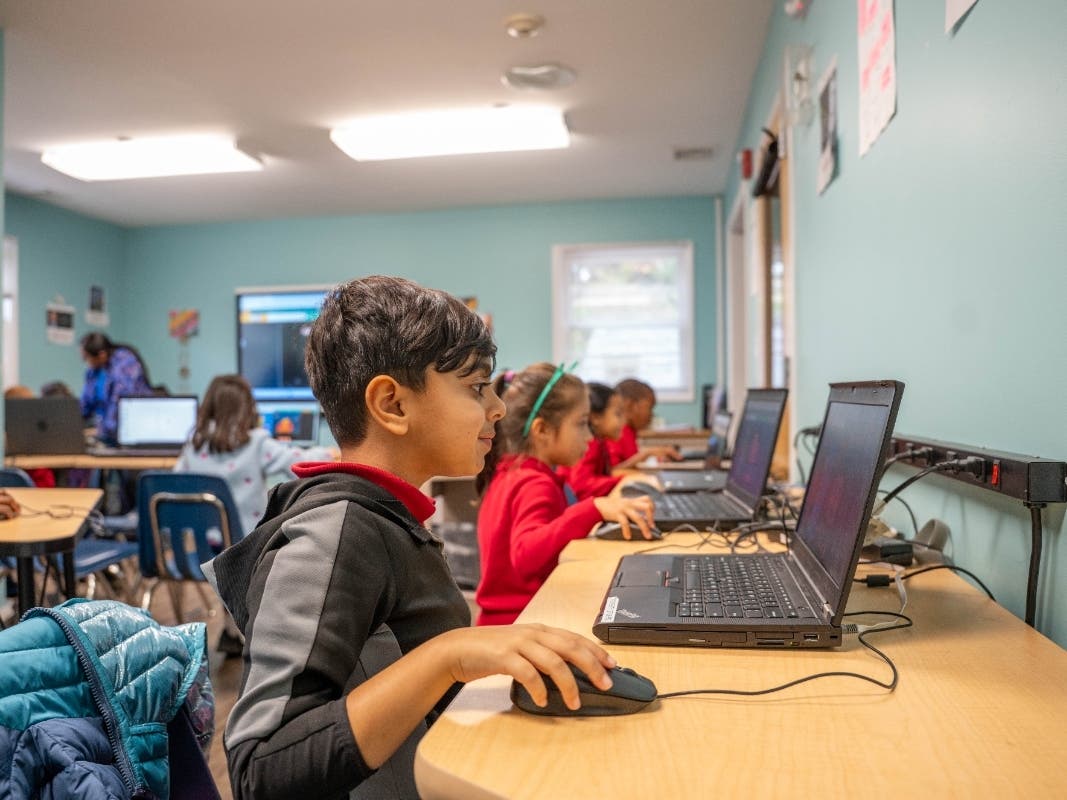
Day to day, that means teachers having students draft essays by hand before typing them up, or caring more about the scratch work in math than the final number. It's not a device ban. It's adults paying close enough attention to notice when a shortcut is quietly doing a child's thinking for them.
Find out what's happening in Edison-Metuchenfor free with the latest updates from Patch.
This matters more for younger kids than most people realize. A ten-year-old who never struggles through a hard paragraph doesn't just miss writing practice — they miss learning what productive struggle feels like in the first place. That habit gets built young, or it doesn't get built easily at all.
Global readiness isn't just about knowing more. It's about telling the difference between information and understanding — and that's only going to matter more for the kids in our classrooms today.