Health & Fitness
Cardio-Oncology Program Expands To CentraState Medical Center In Freehold
The program focuses on patients who are at risk for developing heart disease before, during, or after cancer treatment.


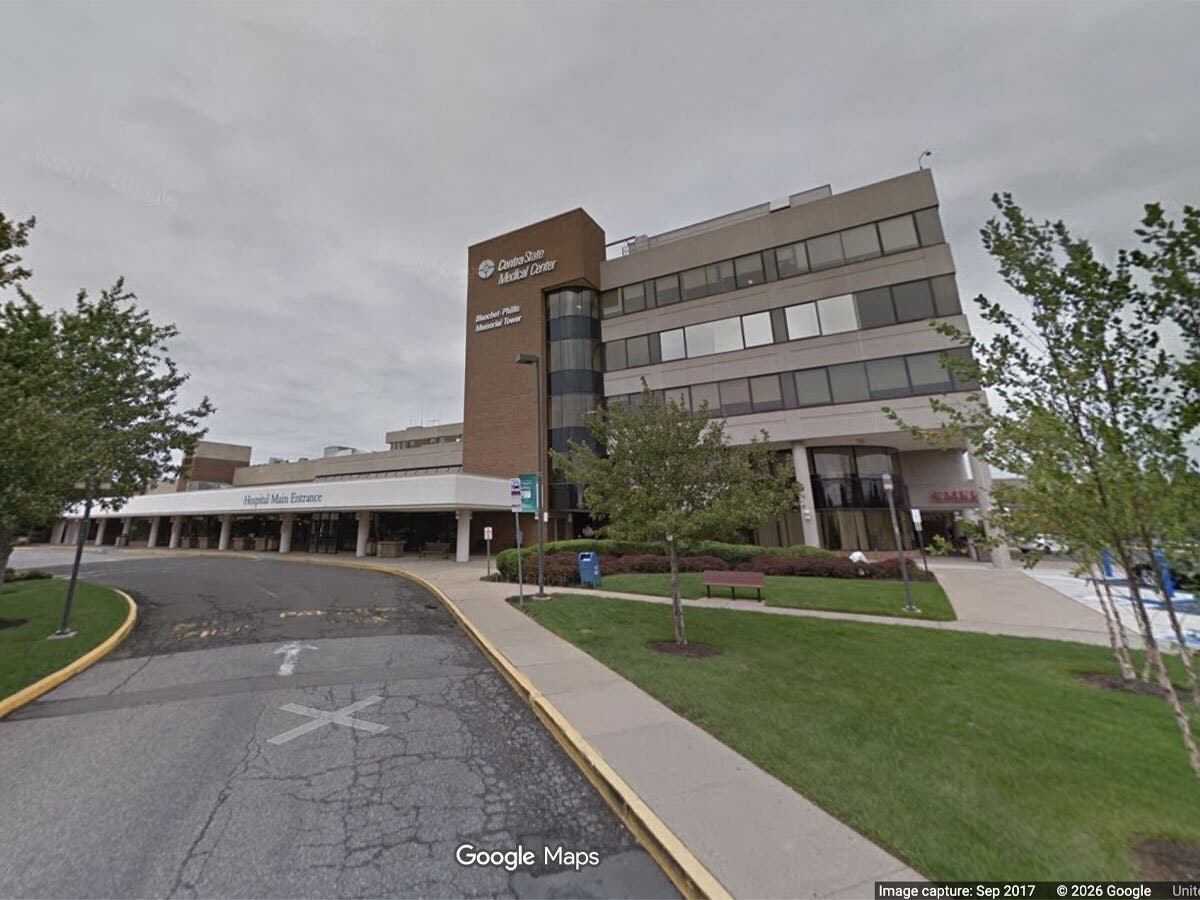
FREEHOLD, NJ — Atlantic Health’s cardio-oncology program has expanded to the Statesir Cancer Center at CentraState Medical Center, which aims to benefit cancer patients and survivors throughout Central NJ.
Thanks to improved therapies and early detection, officials said the number of cancer survivors continues to grow each year – but highly effective treatment regimens for some of the most common cancers may still carry potential cardiovascular side effects.
In fact, research shows that adult survivors of cancer have a 42% greater risk of developing cardiovascular disease than people without cancer.
Find out what's happening in Freeholdfor free with the latest updates from Patch.
To address potential complications, Atlantic Health has established a cardio-oncology program to focus on patients who are at risk for developing heart disease before, during, or after treatment for cancer.
These cardiovascular issues can interrupt critical cancer treatment and may have long-term impacts on both survival and quality of life.
Find out what's happening in Freeholdfor free with the latest updates from Patch.
“Cardio-Oncology is an essential part of delivering comprehensive cancer care,” said Alexander Itskovich, MD, medical director of the Statesir Cancer Center at Atlantic Health CentraState Medical Center.
“As cancer treatments continue to advance, it’s critical that we stay vigilant about protecting patients’ heart health by treating and preventing cardiovascular complications that may be caused by therapies like chemotherapy, immunotherapy and radiation,” Itskovich continued. “Additionally, it’s important to understand how cancer treatment affects patients who already have heart disease.”
Now a formalized program at CentraState, the cardio-oncology service is a collaboration between Atlantic Health oncology, cardiology and primary care teams and includes:
- Identification of pre-existing heart conditions, both before and during treatment.
- Review of heart function during the course of cancer treatment, with state-of-the-art imaging.
- Treatment with heart medications when needed.
- Optimizing cardiovascular health in cancer survivors.
“Many cancer treatments impact the cardiovascular system and may be toxic to the heart muscle, can weaken the heart or cause hypertension or blood clots,” said Jatinchandra Patel, DO, medical director of the Robertshaw Cardiovascular Interventional Center at Atlantic Health CentraState Medical Center.
“The impact on the heart may not be evident until years down the road, once a patient is deemed ‘cancer-free,’” Patel continued. “That’s why consistent monitoring is needed to help ensure the best quality of life for cancer survivors.”
Certain patients are at greater risk for these treatment-related heart complications, making proactive monitoring and care essential. These include:
- Patients who are 65 years and older when starting cancer treatment.
- Those with pre-existing cardiovascular disease (high blood pressure, prior heart attack, congestive heart failure).
- Survivors of childhood cancer or those treated decades ago for Hodgkin’s disease.
For more information, including other Atlantic Health locations featuring the cardio-oncology program, you can click here.
CentraState Medical Center is located at 901 West Main Street, Freehold.
Get more local news delivered straight to your inbox. Sign up for free Patch newsletters and alerts.