Neighbor News
Could Your Weight Be Causing Sleep Apnea?
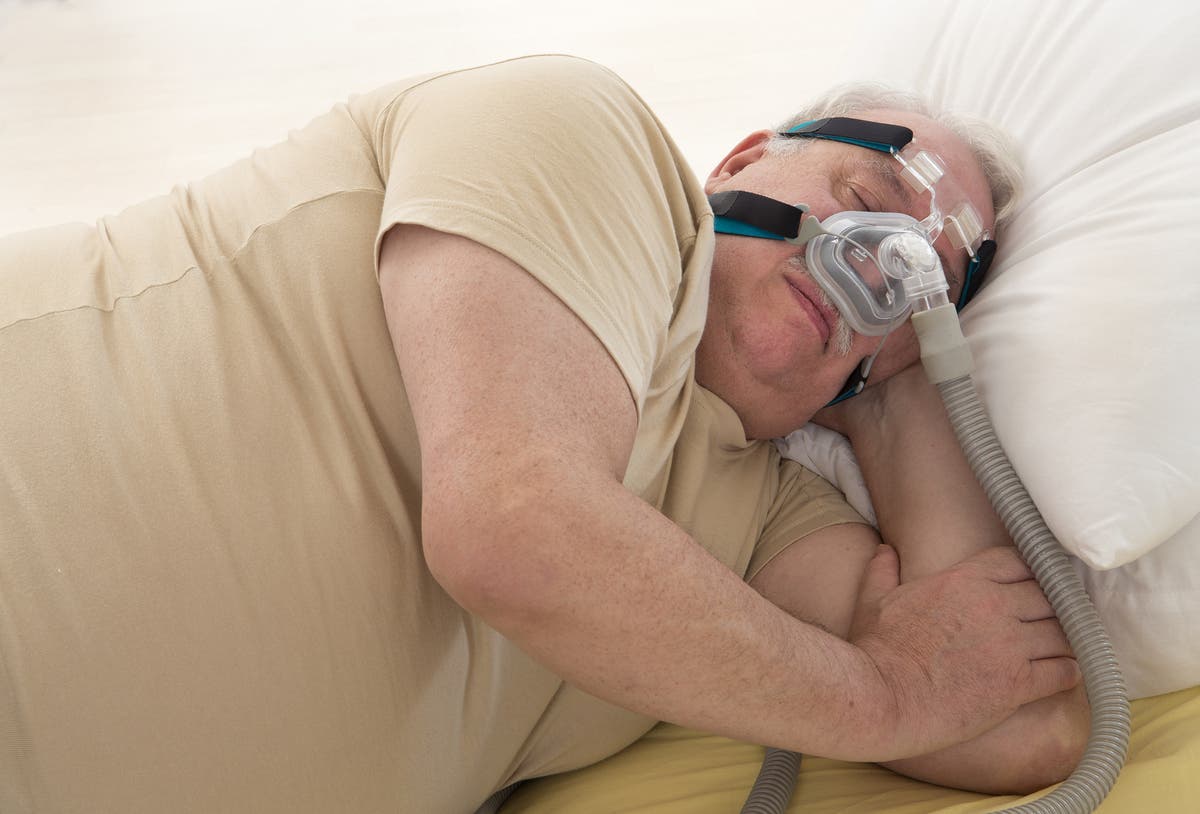
This chronic condition is a sleep-related airway blockage due to narrowing or occlusion of the upper airway.

By Seun Sowemimo, MD, FACS, FASMBS
Every night you experience the same thing—tossing, turning, awake, then asleep, loud snoring, jerky movements—and you are in a continual state of sleepiness during the day.
You may have a condition called obstructive sleep apnea (OSA), a sleep-related airway blockage due to narrowing or occlusion of the upper airway. Symptoms include age, tobacco use, alcohol consumption, anatomical features (neck circumference over 16 inches), and even enlarged tonsils or adenoids.
Find out what's happening in Freeholdfor free with the latest updates from Patch.
But obesity is usually one of the main contributing factors to this life-threatening condition.
When OSA occurs, the brain has to wake itself to warn the respiratory system to kick back into gear. This often results in sleeping during loud gasps, snorts, or body jerks that may wake you continuously, leaving you exhausted the next day.
Find out what's happening in Freeholdfor free with the latest updates from Patch.
If you are driving, using machinery or performing other tasks that require mental sharpness, this condition can be life-threating to you—and those around you.
When you’re feeling exhausted, exercising for fitness and weight management is a pipe dream and leads to a sedentary lifestyle because you are too tired to even think of going to the gym, bike riding or even walking your dog around the block.
OSA may require treatment with ventilator-type devices, most commonly a continuous positive airway pressure (CPAP) machine.
Many People have OSA--But Don’t Know It
Twenty-five million U.S. adults have life-threatening obstructive sleep apnea, affecting 24-31 percent of men and 9-21 percent of women. Without being diagnosed with this chronic condition, they are at increased risk of:
- Heart attack, heart failure, high blood pressure, stroke
- Diabetes
- Driving or performance-related accidents
- Exhaustion-driven craving for unhealthy foods
- Decreased quality of life due to chronic tiredness
Not everyone with sleep apnea is overweight--but most are--according to several studies. Overweight and obese patients are more likely to have excessive fatty tissues found throughout the body, including the throat.
Fatty tissues can make the airway narrower. When the person sleeps, these soft tissues collapse into the airway and block airflow leading to apnea (sleep interruption).
How Can Weight Loss Improve or Eliminate Sleep Apnea?
Simply stated, weight loss by any method, including bariatric surgery, is a well-documented treatment for OSA. It alleviates the fat blocking the windpipe during sleep.
More than 100 bariatric surgery patients I have treated over the years have eliminated their sleep apnea condition after weight loss was achieved.
This means no more loud snoring (which I am sure has saved a few marriages, no more frightening symptoms--and finally enjoying a good night’s sleep.
If you suspect or have been diagnosed with OSA, and have a substantial amount of weight to lose, consider a bariatric weight loss surgery option for faster and safer weight reduction. Keep in mind, losing extra weight may also resolve additional health issues you are battling as well.
Most importantly, see your doctor if you are awakening regularly throughout the night and have a chronic, pronounced snoring issue.
Emergency Medical Technician Steven Infanti describes how he overcame sleep apnea.
Prime Surgicare’s one-of-a-kind Bariatric Success Program (BSP) offers a five-pronged approach to preparing and ensuring your long-term weight loss success.
Start your journey by joining us at an upcoming New Patient Seminar at CentraState Medical Center in Freehold or log-on to our daily webinar to watch a similar presentation. If you prefer a private consultation, call our friendly bariatric medicine specialists at (732) 982-2002 to schedule an office visit within the next seven days.