Community Corner
Honored World War II Veteran From South Jersey Finds Rewards In Being Optimistic
It wasn't an easy time for Chinese Americans when Edward L. Chan joined the Army to help the Allied cause in World War II.


FREEHOLD, NJ — It wasn’t an easy time for Chinese Americans when Edward L. Chan joined the Army, on his 18th birthday, to help the Allied cause in World War II.
“I considered Hitler to be a threat to democracy, and the most important priority was to defeat him,” the 97-year-old Monmouth County resident told Patch.
Decades after Private First Class Chan followed the U.S. Army through Europe as a medic, President Donald Trump signed a bill recognizing him and the thousands of other Chinese American soldiers who fought in World War II.
Find out what's happening in Freeholdfor free with the latest updates from Patch.
In 2018, the U.S. Congress passed the Chinese American World War II Veteran Congressional Gold Medal Act. The act was designed to honor these soldiers, more than 60 years after the war ended. Because of the pandemic, the ceremony was held virtually. Chan received a Congressional Gold Medal in 2021.
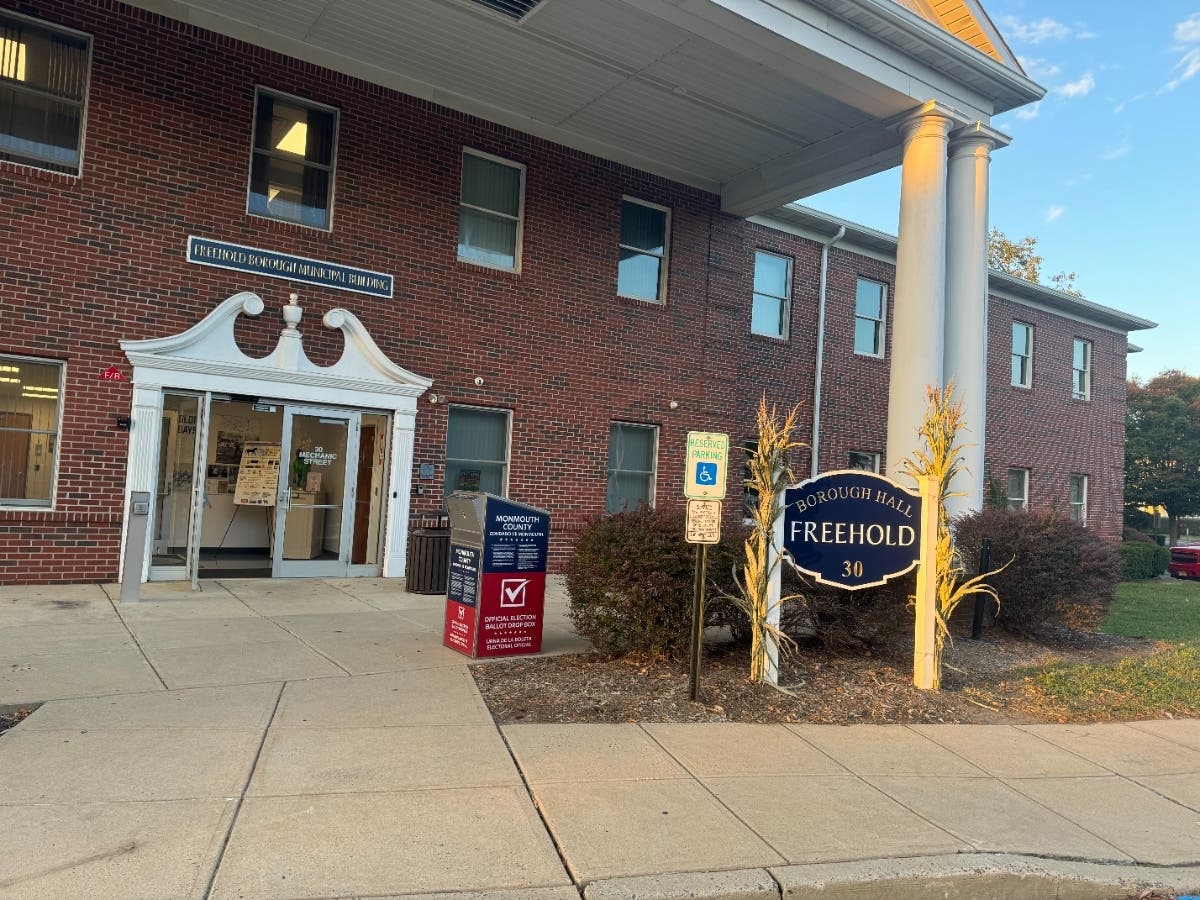
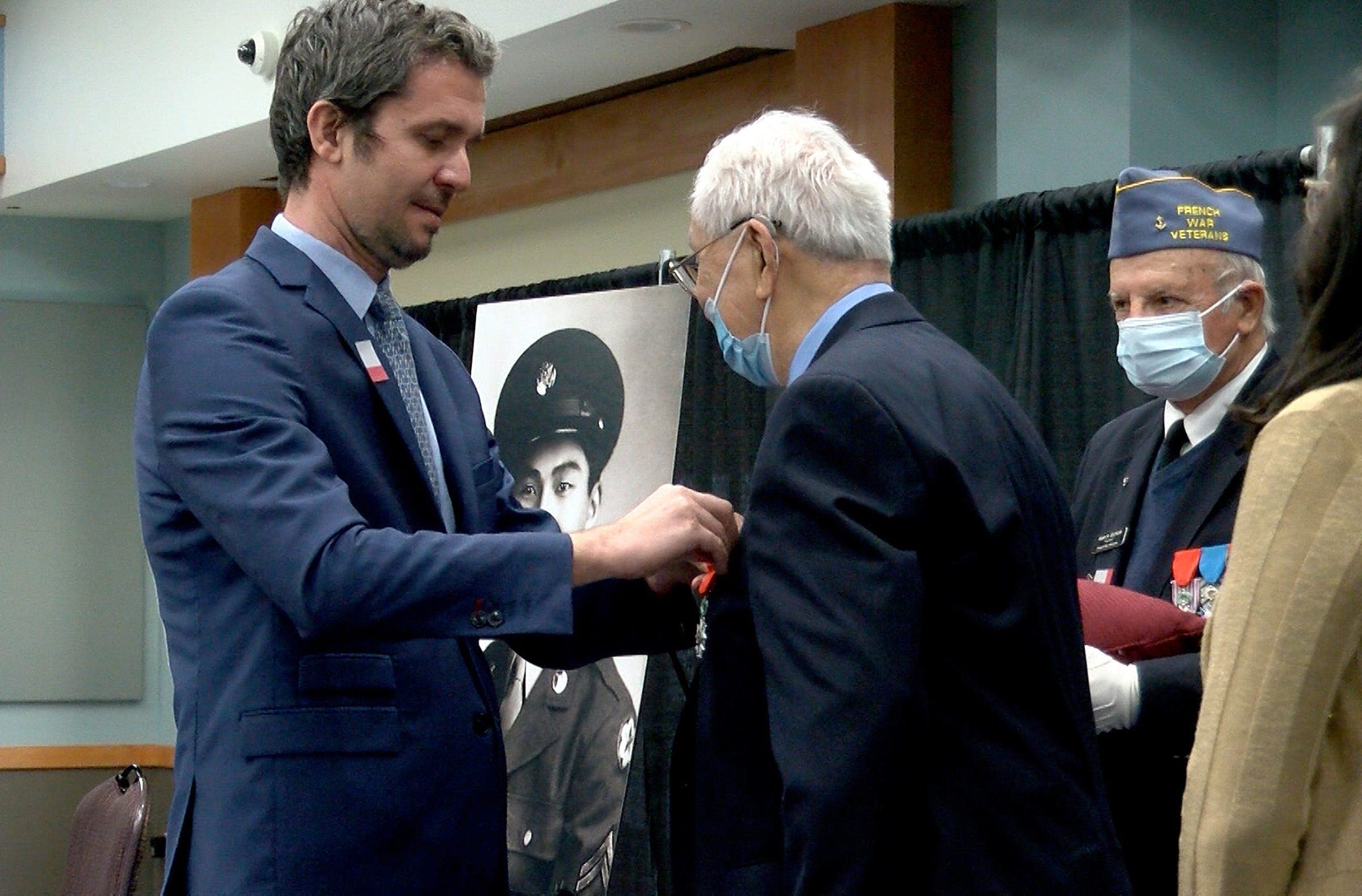
After that ceremony, the CGM Recognition Committee told veterans who had served in France that they could be eligible for the French Legion of Honor Award. And this month, French Consul General Jeremie Robert named Chan a Knight in the Order of the Legion of Honor. Monmouth County Veterans Services hosted the ceremony at Brookdale College.
Find out what's happening in Freeholdfor free with the latest updates from Patch.
Even with these distinguished awards, Chan is humbled. At the recent ceremony, he was flattered to hear Robert call him a hero to the French people, but Chan quickly stated that he was just doing his job.
A lifelong learner, a man of faith
Chan, of Freehold, was not interested in talking about the medals. He focused much more on his Christian faith and family, and a lifelong love of learning, in a conversation with Patch.
“It’s amazing that they wanted to give me an honor,” he said.
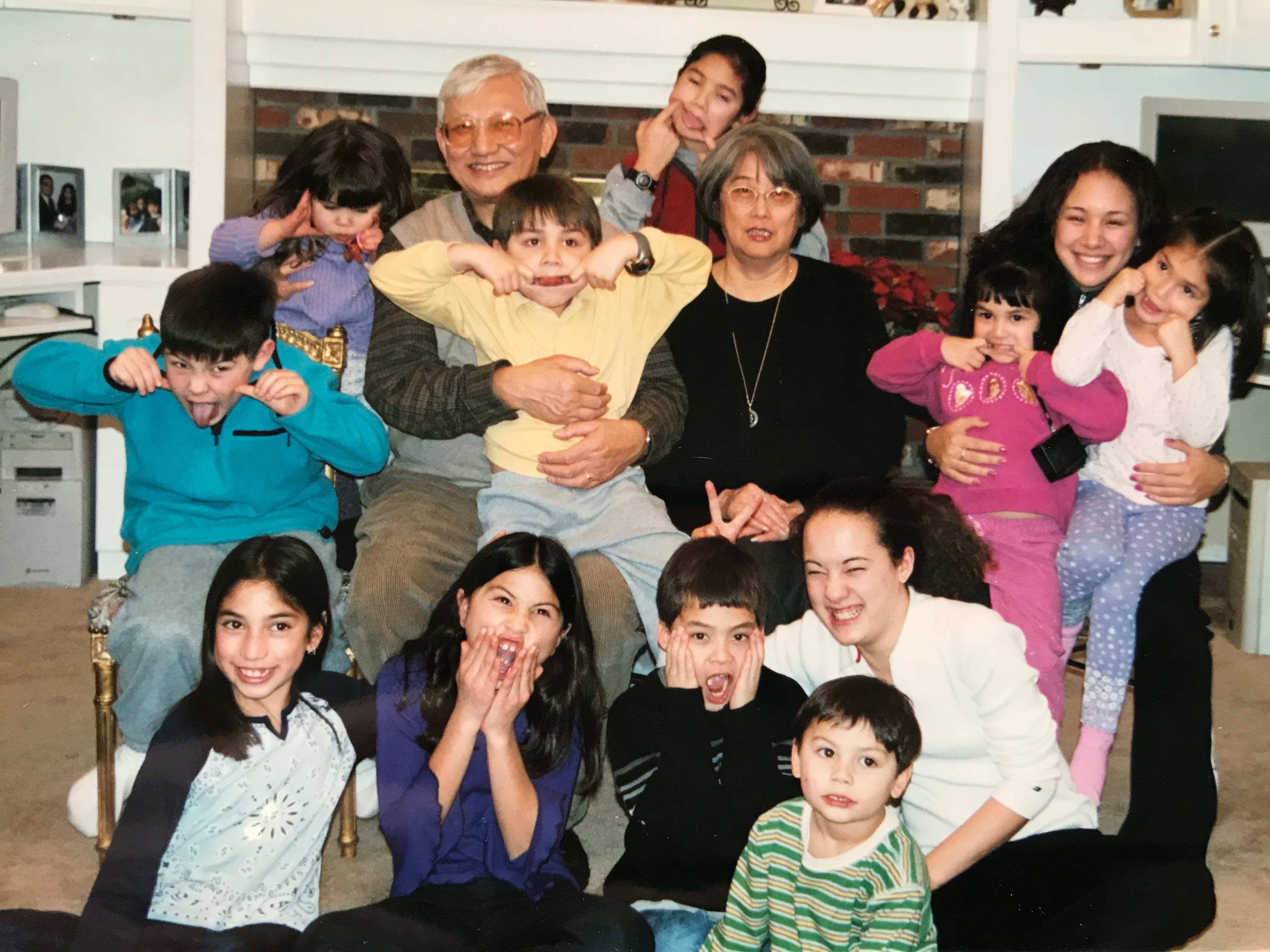
Chan was in a jovial mood, reflecting on the awards as he sat with daughters Pam Singer and Chris Ben-Ezra for a virtual interview. One of his 12 grandchildren, Daria, ran tech support.
Chan’s faith, family, and love of learning have been present throughout his life.
His parents ran The Orient restaurant in Mount Vernon, New York, after moving from the San Francisco area. Young Edward and his five siblings spent a lot of time together, and each had jobs working at the family restaurant.
“They grew up in this family playing games, reading, taking care of each other,” Singer said. “Throughout his life, he benefited from this wide base of knowledge he has.”
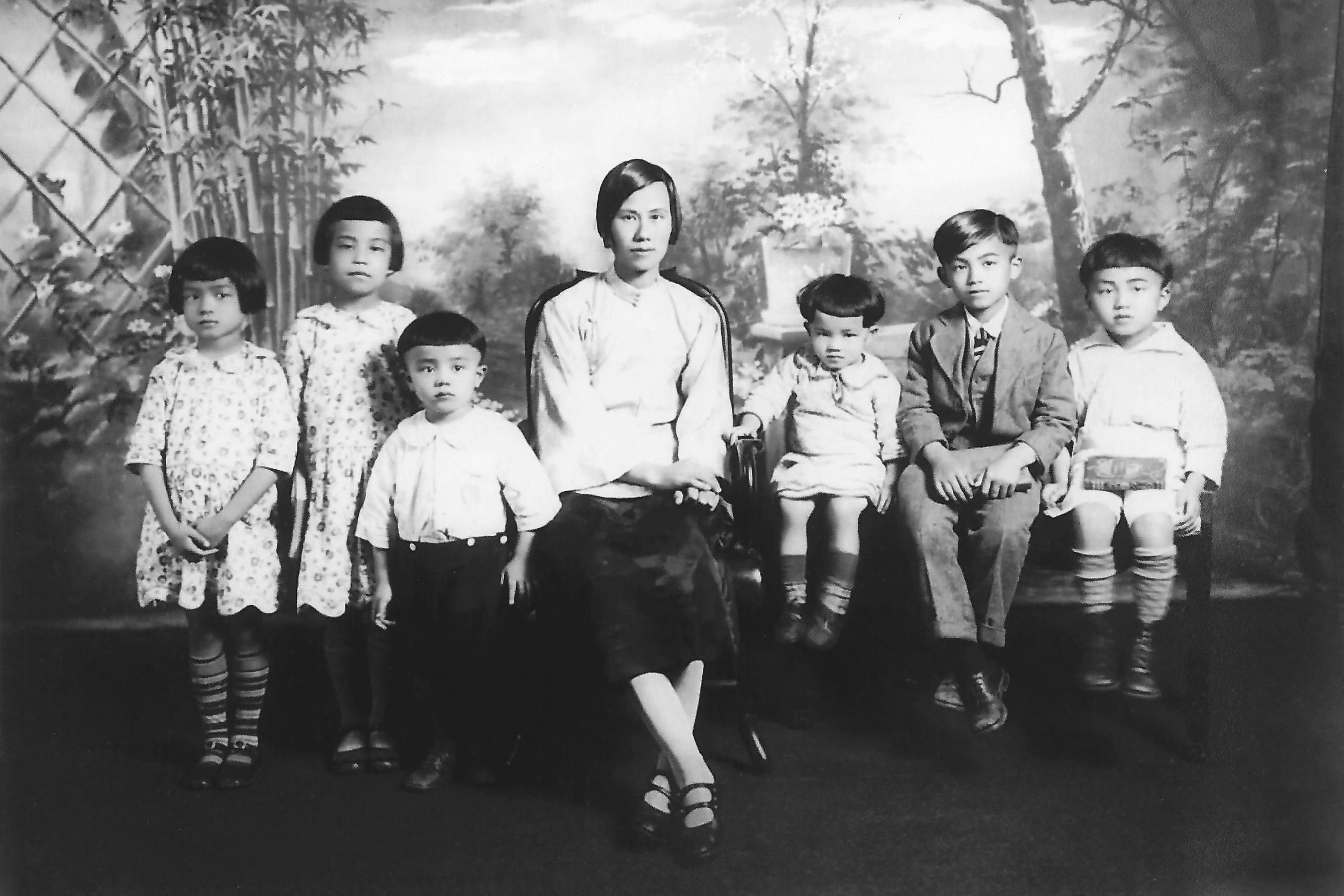
Chan said he would go to the library with his siblings and get stacks of books, fueling his love of reading.
He also remembers when a retired school teacher began a Chinese Sunday school for local families in Mount Vernon, where he cultivated the roots of his faith.
Across the sea to Europe
Chan enlisted on his 18th birthday in 1943. Two of his brothers, Victor Chinn Lee and Louis Chan, also served in the Army.
Congress estimates as many as 20,000 Chinese Americans fought for the U.S. in World War II. They fought for a country that treated them unfairly.
Major court decisions deemed Asian people “separate but equal” in the United States, as they did with Black people. And the Chinese Exclusion Act of 1882 severely limited immigration from China for more than 60 years.
But, as Chan said, it was wartime. Although there was discrimination at the time, that didn't stop how he and his brothers felt a moral obligation and a strong patriotic duty to serve their country. So they left Mount Vernon and their parents’ restaurant behind.
Chan graduated from A.B. Davis High School in Mount Vernon and went through basic training, medical tech training, and advanced medical training.
After traveling to Europe on a naval convoy, Chan was relieved when he arrived safely in Algeria in April 1944, escaping the U-boat attacks across the Atlantic Ocean .
Chan and his fellows in the 27th Evacuation Hospital followed the front lines of the 7th Army, as the United States pushed through southern France and Germany. Chan would work 12-hour shifts in triage, attending to wounds and setting fractured bones. Unfortunately, many of the casualties with chest wounds didn’t survive.
“War is a very tense situation,” Chan said. "You never know what’s going to happen. Sometimes we advanced with a local unit ahead with the army, and sometimes we had to retreat because the army had to retreat.”
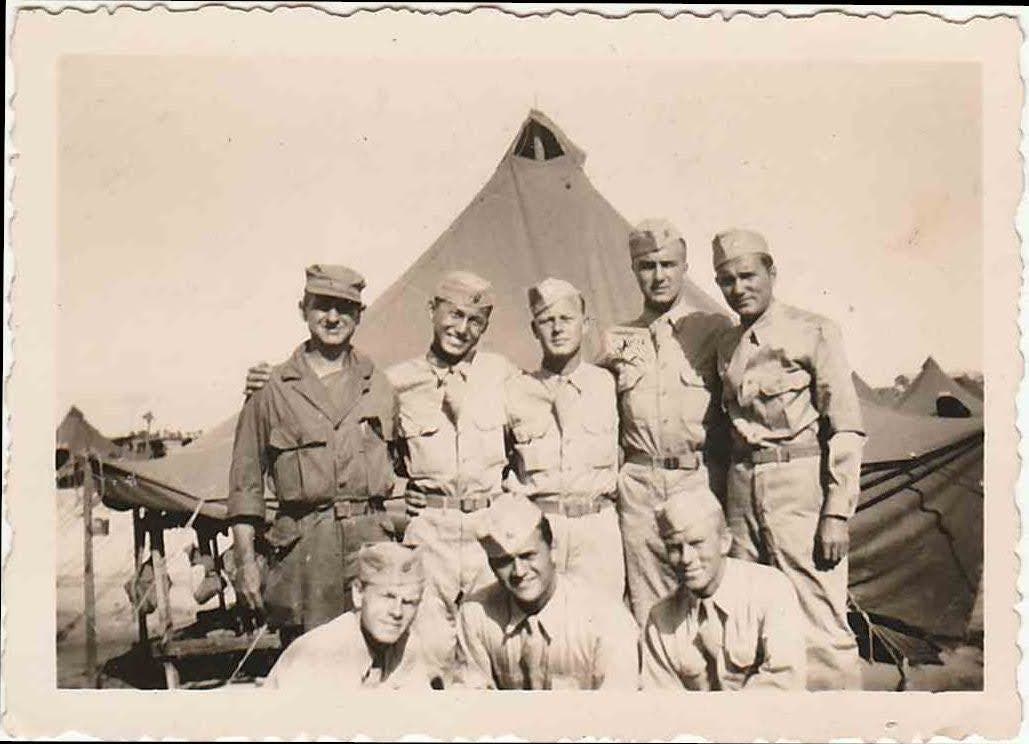
When working in a mobile evacuation hospital, Chan and his unit needed to adapt quickly to relocate surgical tents and to convert abandoned buildings to create a makeshift hospital.
He said he found comfort in helping the army chaplain set up chairs for Sunday worship services.
“On Sunday, I would try to convert the recreation area into some kind of a church, with a couple of things placed on the wall.”
“My Commanding Officer didn’t realize I was doing this after I had just finished a (12-hour) tour of duty,” he said, adding he was later compensated with some extra free time in exchange for his help. “I always used my free time either for reading or helping somebody out. I didn’t have any way of relaxing anyways.”
Chan's two daughters said their dad did not talk about his war service much until they were older. Ben-Ezra said Chan would tell some war stories but focused on the happy friendships.
“I’m sure there are a lot of stories you haven’t told us,” she said to her father.
“Lots of dark stories,” Chan responded. “People were killed during the war and wounded. Very difficult.”
“The stories you did share were the sweet stories of bonding and relationships,” replied Ben-Ezra.
Chan’s easygoing and joyful personality helped him to quickly form strong friendships with others from all parts of the country, his family said, places where people had never met a person of Asian descent in the mid-1940s.
It was through Chan’s genuine kindness, positivity and demonstration as a hardworking and loyal friend that helped break down barriers of discrimination and stereotypes. Chan’s bright smile and warmth represented the goodness in him, as he served as role model.
A teacher at school and at home
After the war, Chan studied at Swindon College in England on an Army scholarship, later transferring to New York University with the aid of the GI Bill.
He remembers waking up early at sunrise while coming back to the U.S. on a Liberty Ship in early 1946, and seeing Lady Liberty there to welcome him.
At NYU, Chan majored in English literature and psychology. He realized he needed more training to get a job, and started a social work program at Adelphi University. It wasn’t the right fit.
“I found that I internalized the problems so much that it depressed me,” he said.
While doing the social work program, he met teachers and students from New York City schools and was inspired by the teachers’ attitudes.
“All these foster care kids,” he said, “I saw how the teachers were so upbeat in everything they do. I thought, ‘I’d rather do that and be a teacher.'"
So, Chan went to Columbia Teachers College for his master's in education with a certificate in reading.
He taught for 33 years, beginning at Manumit School, a private progressive school in Pennsylvania. He then joined the West Babylon Public School System on Long Island, New York. Chan enjoyed helping kids with reading, whether it was providing enrichment for the advanced students or remedial strategies for those who needed more help.
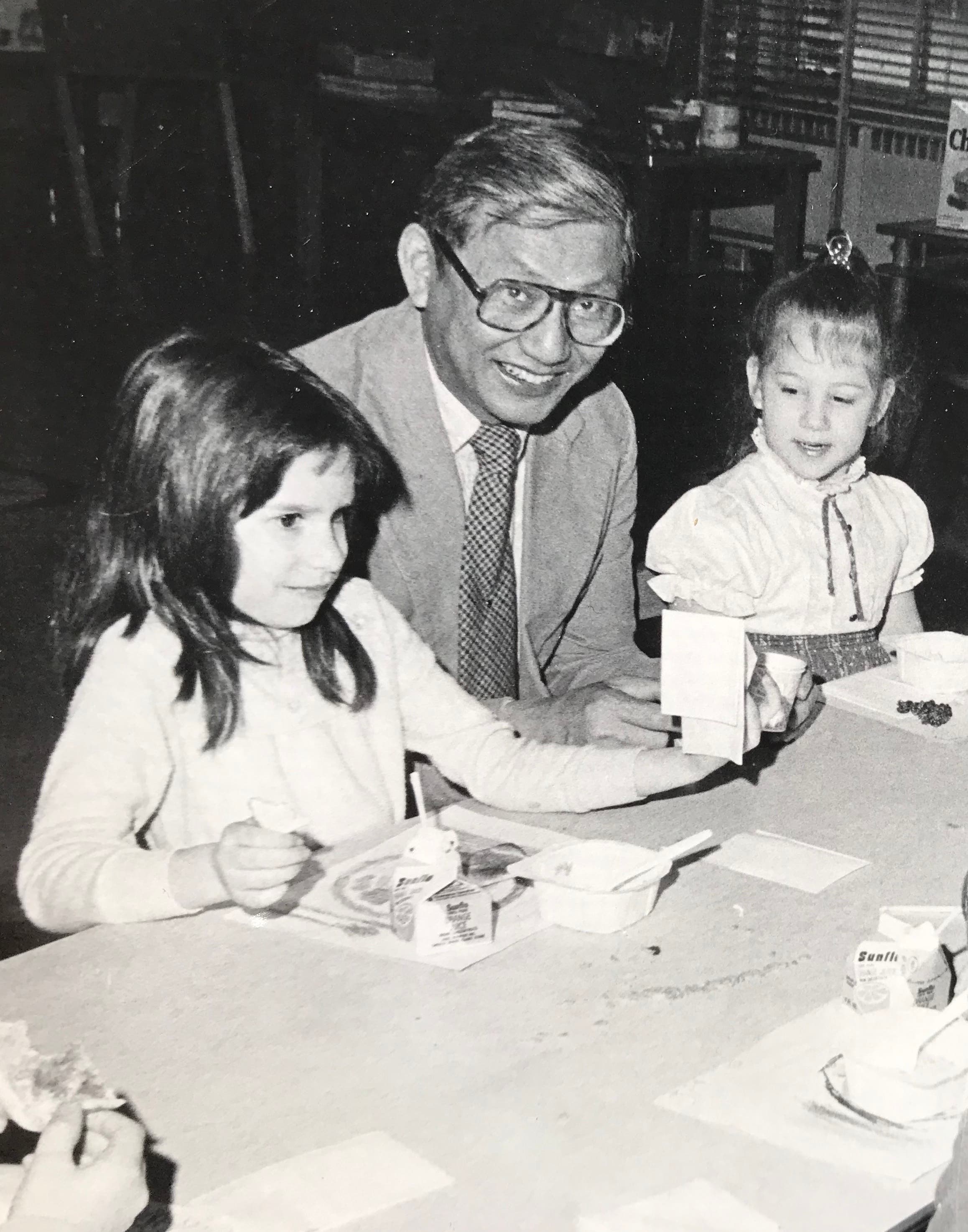
Chan said his greatest joys in life have been “raising a nice, loving family” and “seeing the faces of my students light up while they were learning.”
He and his wife Ellen raised five daughters at their home in North Babylon, New York.

“Everything he did was always so much fun,” Singer said, and described how Chan would play word games with his daughters, or turn a grocery trip into a math lessons.
“He just loves being with kids and seeing them blossom and grow,” Singer said, with her father nodding along.
Chan used his Christian faith to guide his life. He served as deacon and elder several times at the First Presbyterian Church of Babylon. In 2001, they moved to Englishtown, New Jersey, and joined the First Presbyterian Church of Freehold, where Chan continued to volunteer to help others at a community soup kitchen.
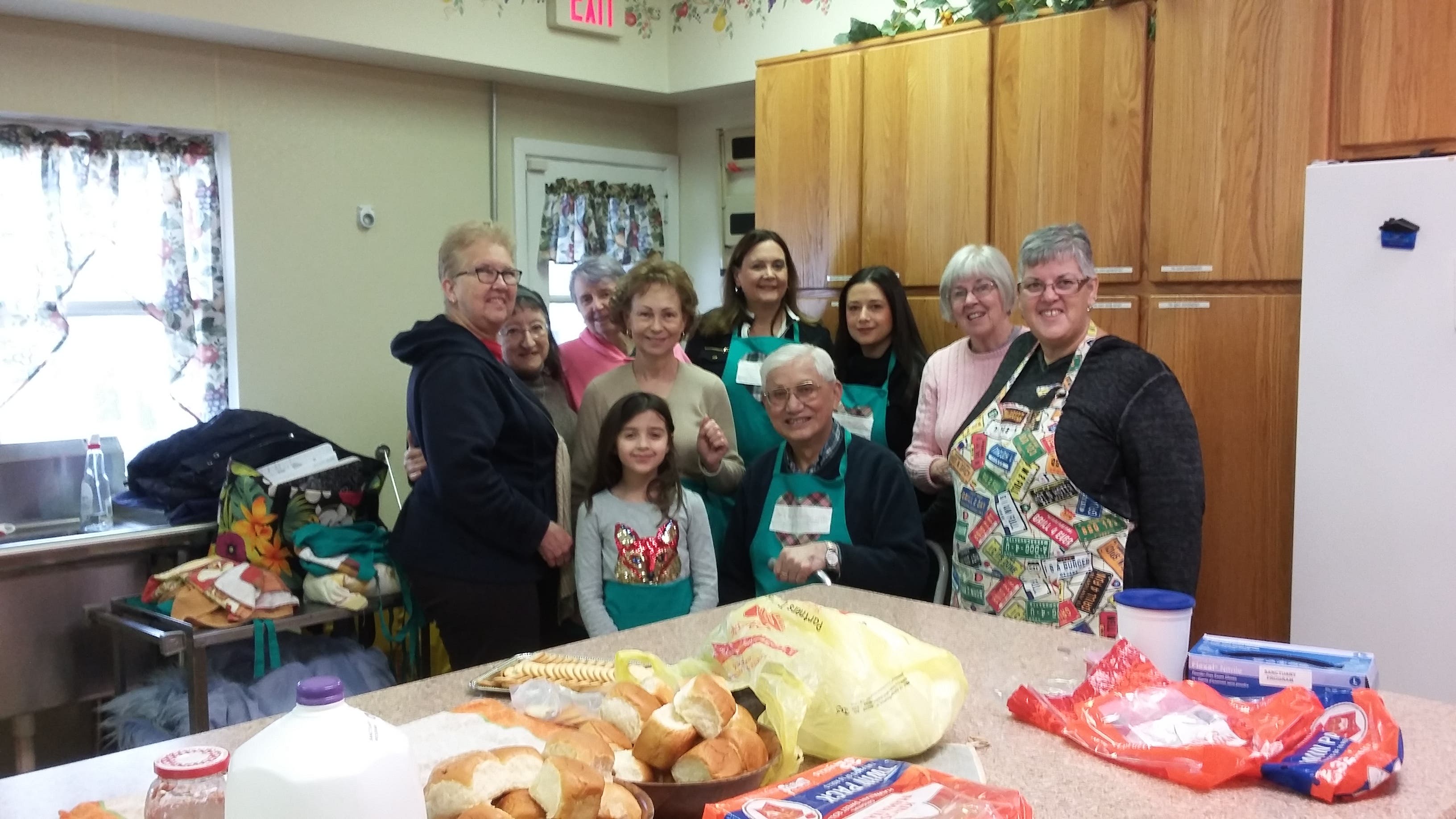
His beloved wife Ellen died in February 2018; they were married for 64 years.
Chan has 12 grandchildren and three great-grandchildren. At the age of 97, keeps his mind active by reading and playing games such as chess and 500 rummy. He enjoys mysteries and is a big New York Yankees fan.
Chan ends the interview on a positive note.
“Experiences in life are just wonderful, that's the main thing to consider,” he said. “So many twists and turns, and of course there’s ups and downs, but being optimistic provides enduring hope for all of us."
Get more local news delivered straight to your inbox. Sign up for free Patch newsletters and alerts.