Health & Fitness
Camden County Steps Up Fight Against Mosquitoes After Death Of N.J. Man
County officials announced what they will do to combat mosquito-borne illness this week.


Following the death of a 56-year-old Passaic County man due to eastern equine encephalitis, the state is stepping up its battle against mosquitoes. That fight is just as strong in Camden County as it is anywhere else.
After the month of May saw the ninth most amount of rain in a single month in the state’s history, temperatures hit the 90s this week. This creates the perfect breeding ground for mosquitoes to flourish, according to officials.
In addition to Jeff Bioletti’s death in October, three people in the state have died in the last two years as a result of West Nile Virus. And while the deadly Zika virus has not yet been found in any mosquitoes in New Jersey, it remains a distant but serious threat as well.
Find out what's happening in Gloucester Townshipfor free with the latest updates from Patch.
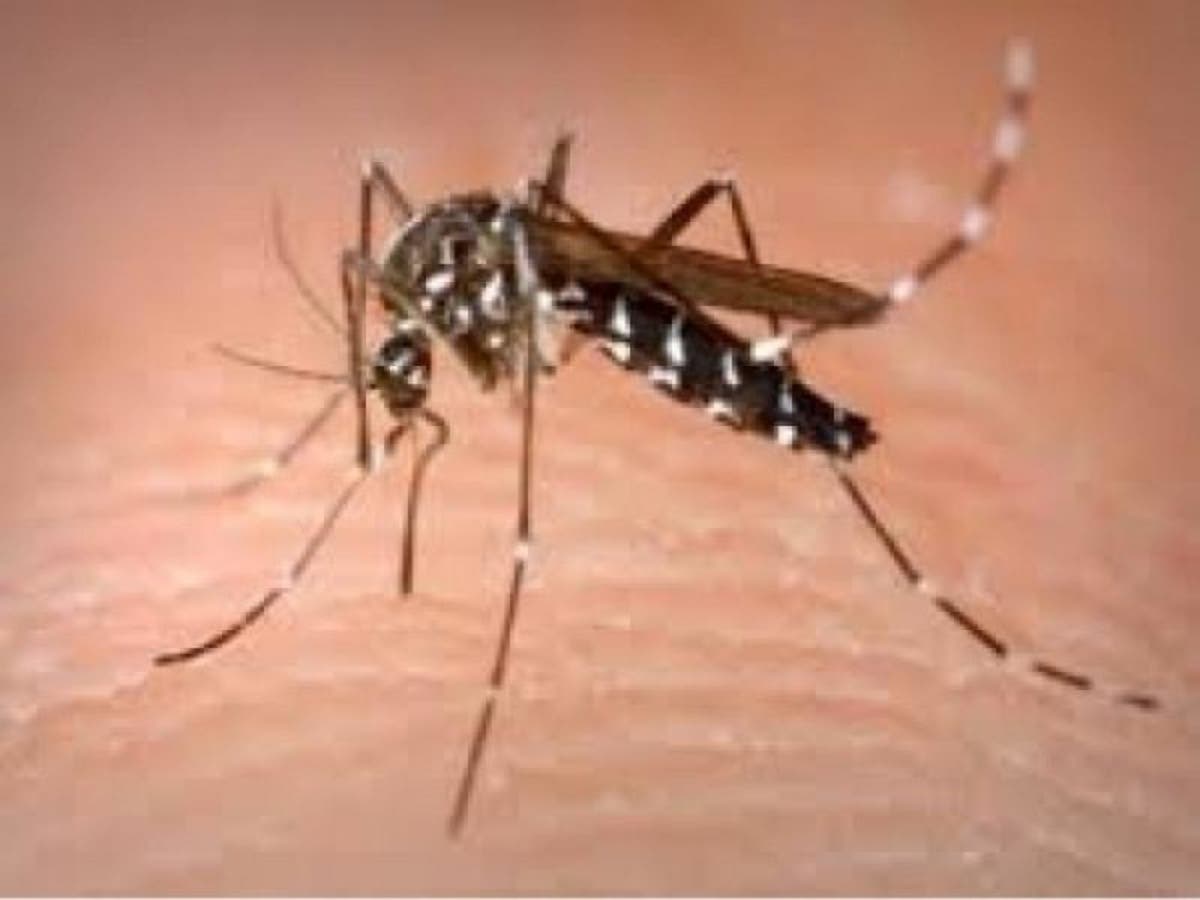
“There is only one genus of mosquito native to New Jersey which can carry Zika, the Asian tiger mosquito, and we are monitoring them very closely,” Camden County Freeholder Carmen Rodriguez, liaison to the Camden County Health Department, said. “All of the cases of Zika reported in the state last year were contracted abroad, but it remains a situation that we are taking very seriously. The best thing residents can do is monitor their own yards for standing water and places where it may gather. Insect repellants are also critically important for those spending time outdoors.”
Statewide, many mosquito control commissions have stepped up their disease surveillance. Any mosquitoes they trap will be sent to the state’s public health laboratory, according to northjersey.com.
Find out what's happening in Gloucester Townshipfor free with the latest updates from Patch.
New Jersey has had two reported cases of the Zika virus this year, and last year there were 180 infected people in New Jersey, all of whom were infected while abroad.
This included a mother from Honduras who gave birth to a baby at Hackensack University Medical Center with severe microcephaly, a condition in which a baby is born with a smaller head because of abnormal brain development.
Because mosquitoes breed in standing water, small fish that eat mosquito larvae are periodically taken from the mosquito commission’s headquarters and distributed to bodies of water likely to harbor the insects.
Primarily, the county uses two species of fish: the Fathead Minnow and Killifish. Both are native species and have no limitation on distribution. Last year, Camden County distributed more than 200,000 of these fish and serves as the southern regional distribution center for a statewide program which uses these fish.
“Just one adult fish can consume hundreds of mosquito larvae in a single day,” Rodriguez said. “This program allows us to cut down on the amount of pesticides being used in the community, and combat the mosquito population in a more natural and holistic way.”
In addition to using small fish to stem the mosquito population at the source, the county also sprays various streets and neighborhoods early in the morning to help control the population growing in residential areas.
“Going out and spraying in the community not only fights the mosquitoes breeding there, but it allows us to check on different parts of the county and identify where we can concentrate more pointed efforts to lower and control the mosquito population,” Camden County Director of Environmental Affairs Jack Sworaski said. “At the end of the day, educating the public is one of our best measures because a mosquito is able to breed in just a bottle cap of water, which underscores the need for residents to dump standing water on their property.”
For more information, or to report a problem, residents can contact the Camden County Mosquito Commission at 856-566-2945 or skeeters@camdencounty.com.
Get more local news delivered straight to your inbox. Sign up for free Patch newsletters and alerts.