Health & Fitness
First Case of West Nile Virus in New Jersey Confirmed in Camden County
A 60-year-old man was the first to be diagnosed with the disease in the state this year.


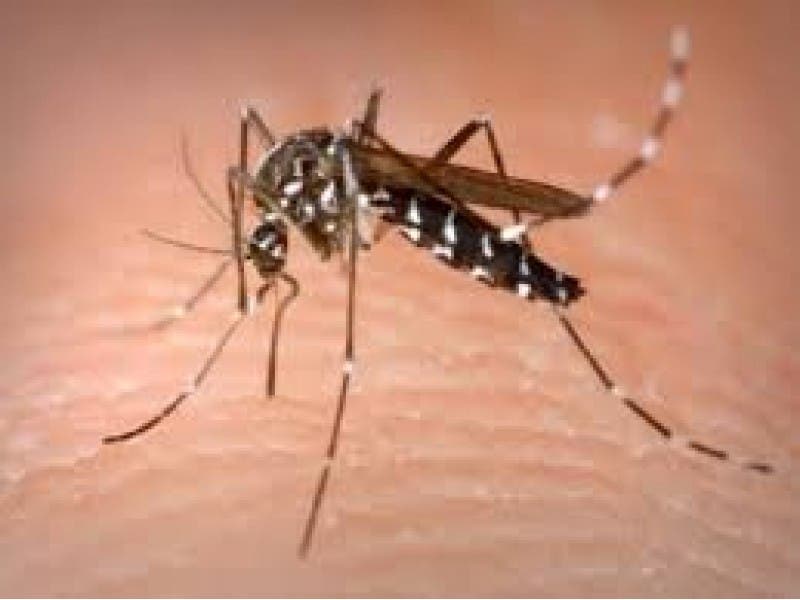
A case of West Nile Virus discovered in a Camden County man is the first case in the state of New Jersey in 2015, the New Jersey State Department of Health confirmed Tuesday afternoon.
On July 12, a 60-year-old Bellmawr man was admitted to Kennedy Health Systems in Stratford with symptoms that had begun at the end of June, the Camden County Department of Health said Tuesday morning. On July 17, he was released from the hospital.
“The Camden County Health Department encourages you to use insect repellents and take extra precautions if you are outside during peak biting hours. You may also want to wear long sleeves and long pants if you are in your yard between dusk and dawn,” Camden County Freeholder Carmen Rodriguez, liaison to the Camden County Department of Health and Human Services, said. “While the chance of becoming ill is relatively small, there are things you can do to protect yourself and your family.”
Find out what's happening in Gloucester Townshipfor free with the latest updates from Patch.
According to the Centers for Disease Control, humans mainly become infected with the virus when bitten by an infected mosquito. Mosquitoes become infected when they feed on infected birds.
People over the age of 50 are more likely to develop serious symptoms of West Nile Virus, and should take special care to avoid being bitten.
Find out what's happening in Gloucester Townshipfor free with the latest updates from Patch.
The Camden County Mosquito Commission regularly checks several thousand suspected mosquito-breeding sites across the county and schedules spraying on an as-needed basis.
“Our county mosquito commission works with the Public Health Environmental Laboratories in Trenton to verify the presence of West Nile Virus in their samples,” Camden County Freeholder Jeffrey Nash, liaison to the Camden County Mosquito Commission, said. “When a pool tests positive for West Nile Virus, the mosquito Commission returns within 24 hours to spray the area.”
Residents should check their property for any object that holds water for more than a few days. All pre-adult mosquito stages (eggs, larvae, and pupae) must be in stagnant water in order to develop into adult mosquitoes.
- Swimming pools are a common problem. All pools must be checked and maintained to keep them mosquito-free. Swimming pools can breed mosquitoes within days after you stop adding chlorine or other disinfectant. Pool covers can catch rainwater and become a mosquito development site. Add a little chlorine to kill mosquitoes.
- Maintain screens to prevent adult mosquitoes from entering your home or business.
- Personal protection is strongly urged if you are outside when mosquitoes may be active—generally dawn and dusk. Insect repellants containing between 10-35% DEET are very effective, however, be sure to follow the label directions and take extra precautions with children and infants.
The Camden County Mosquito Commission suggests checking around your yard for mosquito breeding containers. The following is a checklist of tips to help eliminate mosquito breeding:
- Dispose of unnecessary containers that hold water. Containers you wish to save turn upside down or put holes in the bottom so all water drains out.
- Lift up flowerpots and dump the water from the dish underneath every week.
- Stock fish or add mosquito larvicide to ornamental ponds.
- Change water in bird baths, fountains, and animal troughs weekly.
- Screen vents to septic and other water tanks.
- Store small boats upside down and large boats so they drain. If covered, keep the tarp tight so water does not pool on top of the tarp.
- Do not dump leaves or grass clippings into a catch basin or streams.
- Do not allow water to collect on sagging tarps or awnings.
- Do not allow trashcan lids to fill with water.
- Check downspouts that are able to hold enough water to allow mosquito larvae to mature.
For more information, or to report a problem, contact the Camden County Mosquito Commission at 856-566-2945 or skeeters@camdencounty.com.
Get more local news delivered straight to your inbox. Sign up for free Patch newsletters and alerts.