Crime & Safety
Man's Sexual Edits Of Girl's Pics Were Obscene, But Not Child Porn: NJ Supreme Court
The judges unanimously agreed with a lower-court decision to drop his child porn charges. But obscenity is another matter, the court says.


Editor's note: This article includes sexual language involving children that some readers may find disturbing.
TRENTON, NJ — A Camden County man who superimposed sexual material onto photos of a young girl and distributed them did not violate the state's child pornography laws. But obscenity is a different matter, according to a recent ruling from the Supreme Court of New Jersey.
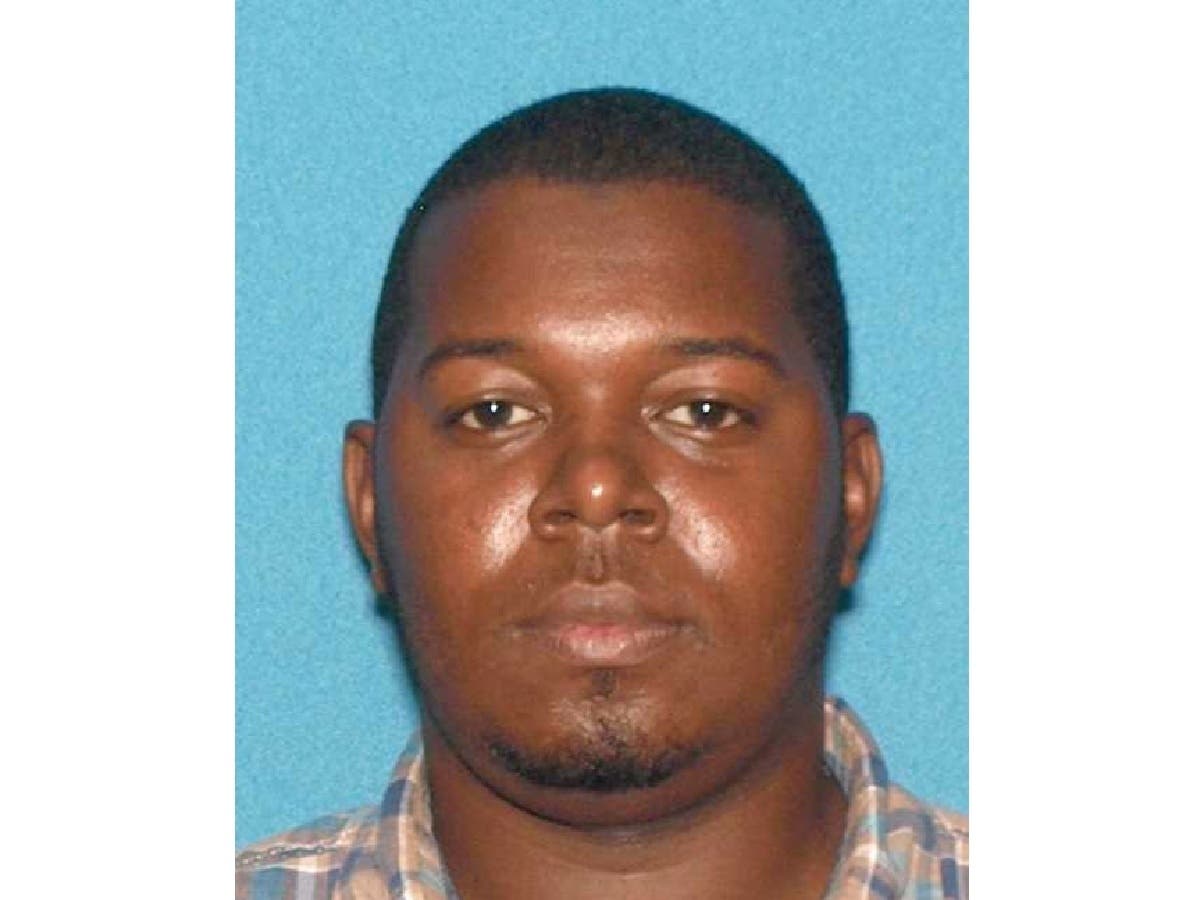
Andrew Higginbotham, of Brooklawn, downloaded photo of his former friend's daughter that the mother had uploaded to social media, according to court documents. Higginbotham edited sexually explicit text onto the photos, including one where he superimposed his clothed but aroused penis next to her, and shared the edited images with sexual group chats.
Find out what's happening in Gloucester Townshipfor free with the latest updates from Patch.
The young girl — given the alias "Christine" in the Supreme Court's May 8 opinion — was 5 years old when the photos were taken. She was clothed in all of the original pictures, which were not sexual in nature, according to court documents.
Higginbotham was charged by indictment with 16 counts of child endangerment. But a state appeals court tossed the charges in April 2023, finding that the measure he allegedly violated was unconstitutional.
Find out what's happening in Gloucester Townshipfor free with the latest updates from Patch.
New Jersey's Supreme Court unanimously agreed. But the judges ruled that he could get prosecuted under state obscenity law, remanding the case to the trial court.
State Attorney General Matthew J. Platkin, whose office appealed the dropped charges, expressed disappointment in the high court's decision.
"(The ruling) makes it harder for law enforcement to combat the next generation of child sexual abuse and exploitation material," Platkin told Patch via a spokesperson. "Thankfully, however, the opinion is narrow, and leaves open multiple tools to protect our children from these terrible harms — which we remain committed to doing."
A spokesperson for the state Office of the Public Defender, which represented Higginbotham, didn't return Patch's request for comment in time for initial publication.
NJ's 'Child Erotica' Law
Higginbotham's edited images didn't meet the longtime legal standard for child pornography, as the original photos were innocuous. But a New Jersey law passed in 2017 expanded the definition of child pornography to include the portrayal of children in a sexual manner, which laid the groundwork for Higginbotham's charges.
The updated law prohibits material that "depict(s) a child for the purpose of sexual stimulation or gratification of any person who may view the depiction where the depiction does not have serious literary, artistic, political, or scientific value."
Child pornography traditionally entails the sexual abuse of victims in the production process. But editing a non-pornographic photo of a child for sexual purposes has murkier legal ground, with New Jersey being one of the only states that has to criminalize it.
"If the depiction at issue does not result from the sexual exploitation of children, no matter how abhorrent the content, it does not fall within the child pornography exception to the First Amendment," said the American Civil Liberties Union of New Jersey, which filed a brief in the case.
The Supreme Court declined to apply a precedent, which leaves the state regulation in place for now. But the court found that the measure in question is too "unconstitutionally overbroad," according to the 39-page opinion written by Justice Rachel Wainer Apter.
New Jersey's other regulations against child pornography and child endangerment were not impacted by the ruling.
Obscenity
Higginbotham, however, can be prosecuted for obscenity, according to the high court.
For speech to fall under obscenity, it must meet all three conditions of the Miller test:
- The "average person" would find that the work, taken as a whole, appeals to "prurient" interests.
- The work offensively portrays sexual conduct specifically defined by the applicable state law.
- The material, as a whole, "lacks serious literary, artistic, political, or scientific value."
The Miller test was developed in a landmark ruling by the U.S. Supreme Court.
New Jersey's updated child pornography law mirrors the language of the Miller test's third standard, but the subsection in question doesn't mention the first two conditions, the state Supreme Court notes.
Privately possessing obscene material is constitutionally protected. But Higginbotham's distribution of the photos can be prosecuted under New Jersey's obscenity law, the court opinion says.
The state Supreme Court heard the case last November.
Get more local news delivered straight to your inbox. Sign up for free Patch newsletters and alerts.