Community Corner
How PHL is Handling the Threat of Ebola
Philadelphia International Airport does not have any direct flights from West Africa, it said.


As concerns about Ebola mount, Philadelphia International Airport says it is working to keep travelers safe.
PHL is continuing to work with the Centers for Disease Control and U.S. Customs and Border Patrol “to identify arriving international travelers displaying symptoms of communicable disease such as Ebola,” the airport said in a statement.
Find out what's happening in Haddonfield-Haddon Townshipfor free with the latest updates from Patch.
“Close coordination with federal, state and local agencies, including the City’s Health Department, is ongoing to minimize any risk to our passengers and employees,” the statement continued.
The threat is being taken seriously. A passenger aboard a US Airways Flight 845 from Philadelphia to Punta Cana last week was escorted off the plane by authorities in HazMat suits after making a joke that he had Ebola.
Find out what's happening in Haddonfield-Haddon Townshipfor free with the latest updates from Patch.
PHL does not have any direct flights to West Africa, the airport said, and is not one of the five U.S. airports designated by the Department of Homeland Security for additional Ebola screenings.
“The current guidance, as provided by CDC, calls for CBP personnel to observe all international travelers entering the US for symptoms or overt signs of illness and to ask a series of questions,” the airport said. “If CBP identifies a passenger suspected to be infected, CBP will coordinate with CDC and local public health authorities for further medical evaluation.”
The CDC says symptoms of Ebola include:
- Fever (greater than 38.6°C or 101.5°F)
- Severe headache
- Muscle pain
- Weakness
- Diarrhea
- Vomiting
- Abdominal (stomach) pain
- Unexplained hemorrhage (bleeding or bruising)
Symptoms may appear anywhere from 2 to 21 days after exposure to Ebola, but the average is 8 to 10 days, the CDC says.
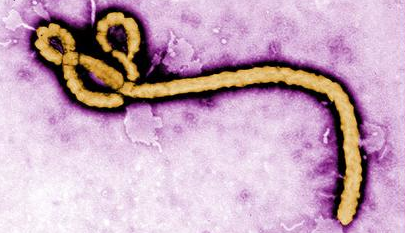
The attached image of the Ebola virus comes Courtesy of the Centers for Disease Control
Get more local news delivered straight to your inbox. Sign up for free Patch newsletters and alerts.