Community Corner
Over 200 First Responders Attend Ebola Preparation Seminar in Gloucester Township
The Camden County Department of Health and Human Services and the Department of Public Safety ran the seminar at Camden County College.


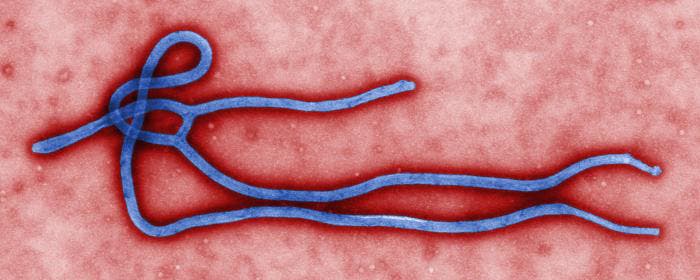
More than 250 first responders received training on how to prepare in the event a case of Ebola is reported in the area during a preparation seminar at Camden County College.
The Camden County Department of Health and Human Services and the Department of Public Safety ran the seminar, which provided first responders with the proper protocols for the donning of personal protective equipment (PPE) by the Camden County Health Department’s Hazardous Materials Team, according to Freeholder Scot McCray.
“They were also given the most current information we have on the Ebola virus from Cooper Healthcare doctors in order to be best prepared,” McCray said.
Find out what's happening in Haddonfield-Haddon Townshipfor free with the latest updates from Patch.
McCray, liaison to the Camden County Department of Public Safety, says the County has been in constant contact with state agencies, local hospitals and health care facilities since before the first case of Ebola was reported in this country.
“We know if someone is sick and calls 911 for an ambulance our EMTs and paramedics will be first on the scene. That is why we asked Cooper University Hospital to participate in a training session so that first responders from across Camden County would be more knowledgeable about Ebola,” McCray said. “As we were reminded when the healthcare workers in Dallas contracted the virus, our first responders put themselves on the line for us every day. It is our responsibility to help them prepare and train.”
Find out what's happening in Haddonfield-Haddon Townshipfor free with the latest updates from Patch.
Freeholder Carmen Rodriguez reminds Camden County residents that there have not been any reported cases of Ebola in New Jersey and only three confirmed cases in the nation.
She added it’s still important to be prepared, and the most important thing to remember as a resident is to wash your hands.
“I cannot stress enough the importance of practicing careful hygiene by washing your hands with soap and water or an alcohol-based hand sanitizer,” Rodriguez, liaison to the Camden County Department of Health and Human Services, said. “Special care should be taken around syringes, medical equipment, clothing, bedding or other items that may have been contaminated with blood or body fluids.”
A person can contract the virus through broken skin or unprotected mucous membranes in the eyes, nose or mouth if they come in direct contact with an infected person or their contaminated objects. The virus is carried in the blood and body fluids, which include feces, saliva, urine, vomit and semen.
“The virus that causes Ebola can spread quickly from person to person, but it can only be spread by direct contact with the blood or body fluids of a person who is sick with Ebola,” Rodriguez said. “The most common way Ebola is spread is by caring for someone that has the virus.”
The symptoms of Ebola include a fever greater than 101.5, severe headache, muscle pain, vomiting, diarrhea, stomach pain, and unexplained bleeding or bruising. Symptoms may appear anywhere from two to 21 days after exposure to Ebola, but the average is eight to 10 days. If a person is concerned about any of these symptoms, they should contact their primary care physician.
Get more local news delivered straight to your inbox. Sign up for free Patch newsletters and alerts.