Neighbor News
It’s Past Time to End New Jersey’s Water Monopoly
Our Water Supply has Become Nothing More Than a Corporate Cash Cow

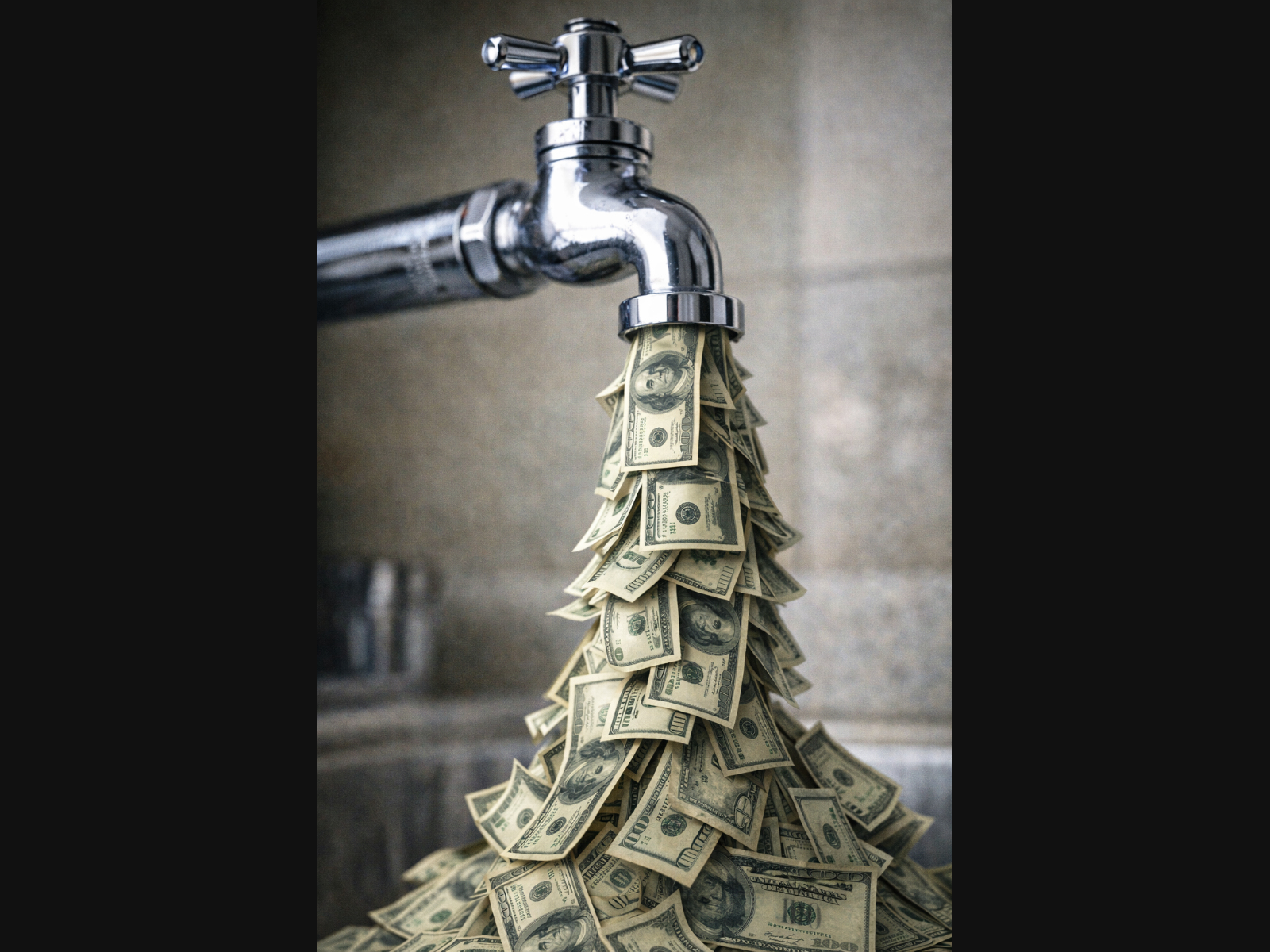
Enough is enough. Once again New Jersey American Water is seeking yet another rate hike — about $10 more per month for the typical customer to pay for “infrastructure upgrades” — while quietly funneling billions into corporate coffers.
What the news outlets aren’t telling you — but should — is that American Water Works Company, Inc. (NYSE: AWK) regularly generates billions in revenue nationally and reports large profits year after year. In 2024 alone, the company’s operating income was over $1.7 billion, with net income exceeding $1 billion — and those numbers continued rising into 2025.
Meanwhile, executives at American Water make multi-million dollar salaries and enjoy shareholder dividends. Why? Because water is priced as if it’s a commodity for Wall Street — not a fundamental human right.
Find out what's happening in Hillsboroughfor free with the latest updates from Patch.
This isn’t by accident; it’s by design.
Privatization Isn’t New — It’s Historical
For decades, New Jersey’s water supply has shifted from local public control to investor-owned corporate control. American Water’s parent company has existed since 1886, and over time it has consolidated hundreds of local systems into its private portfolio.
Find out what's happening in Hillsboroughfor free with the latest updates from Patch.
In New Jersey specifically we’ve seen long-term contracts and outright purchases of municipal systems. For example, South Orange’s water system voted itself into private control in 2024 — transferring ownership to American Water — and numerous other towns have made similar deals in recent years.
This corporate monopoly didn’t happen by magic — it was facilitated by state policy, regulatory consent, and political influence. Companies like American Water don’t just serve water — they also spend significant sums on lobbying and political contributions to protect and expand their business. In 2023 alone, the company and its subsidiaries reported roughly $2.3 million in lobbying expenditures with government officials at federal and state levels.
This doesn’t count all the independent political influence, trade association spending, or undisclosed “government outreach.” It doesn’t count the revolving door between corporate lobbyists and regulators who oversee rate approvals. It doesn’t count the campaign contributions woven into local and state elections that helped create the conditions for privatization.
Yet when local media cover a new rate increase, the story is always some variation of:
“Rates must go up because infrastructure needs fixing.”
We never hear: “This company took in billions last year and its executives are paid millions while customers get squeezed.”
Ask yourself: why not?
Water Isn’t a Luxury — It’s Life
Let’s be clear: water is absolutely essential. Unlike cable, internet, or any other private industry, you cannot opt out of needing water. You can’t turn it off and shop elsewhere. That’s exactly what makes this a monopoly, and it’s obscene that a for-profit monopoly controls something everyone needs to survive.
When you add a profit motive to something essential, priorities shift. And it’s obvious where they’ve shifted: away from the public interest and toward maximizing profits for shareholders.
Don’t believe it? Just ask anyone who’s ever dealt with Big Insurance or cable companies — where service becomes about squeezing every dollar out of you, not serving you. Now imagine that for water.
This Affects Everyone — Even Well Owners
And don’t think your private well makes you immune. Higher water costs don’t just hit those on the public system — they hit our entire economy. Local businesses that pay American Water for their services — grocery stores, restaurants, laundromats — will pass those costs on to all of us. These rate hikes ripple through every household budget in New Jersey, whether you’re hooked up to a public system or not.
Where’s the Accountability?
It’s unsettling how little critical reporting we’ve seen on this. I couldn’t find any major local outlet that mentioned:
- The billions in revenue and profits American Water reports annually,
- The executive compensation tied to those profits,
- Or the millions spent on lobbying and political influence to shape policy and regulatory outcomes.
If you’ve seen that reporting somewhere, please share it — but mainstream coverage is shockingly thin on these fundamentals.
What We Must Demand
This isn’t just another rate increase. This is a structural problem with how water is provided and governed in New Jersey.
So here’s what we must do:
- Call on state legislators to end privatization of our water systems and break up this monopoly. Water services should be under regional non-profit, public control — accountable to residents, not shareholders.
- Tell the New Jersey Board of Public Utilities to reject unjustified rate increases and adopt transparency requirements that force utility companies to disclose corporate finances, executive pay, and lobbying expenditures as part of rate cases.
- Contact our governor and representatives NOW — especially those who campaigned on affordability — and demand action. Water affordability isn’t negotiable.
- Educate neighbors and community groups. Awareness leads to pressure, and pressure leads to change.
Water is not a commodity. It is a human right. When you strip out public control and put Wall Street in charge of something that sustains life, expect the outcome we’re living through right now. It’s time to take back our water.