Community Corner
Vegas on Steroids? The Real Story Behind Dubai’s Latest Headlines
From a Brand Partner: Beyond the flash and headlines, Dubai is building a global powerhouse of innovation, investment, and ambition.
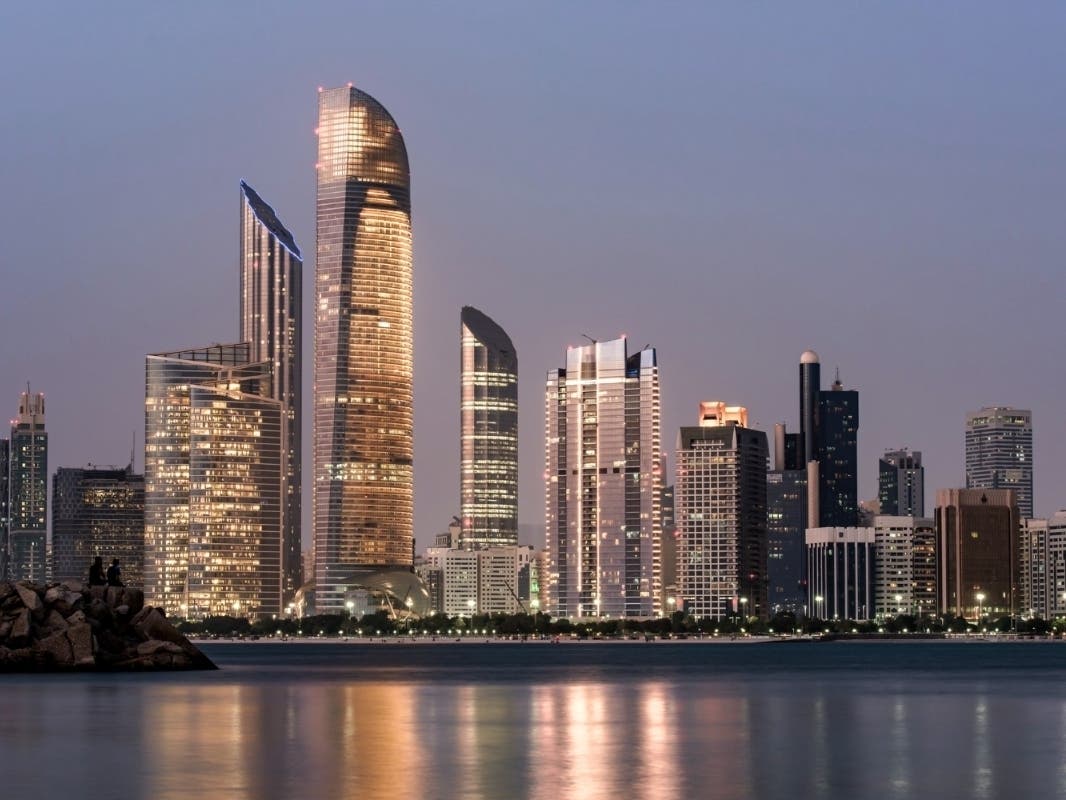
If you’ve been scrolling through international news lately, you’ve probably seen the buzz: Dubai is being called “Vegas on steroids.” Flashy openings, record-breaking attractions, over-the-top luxury—it’s all over the feed. And if you’re planning a trip, somewhere between booking your flight and googling car rental UAE, you might be wondering: is Dubai really just a desert version of the Strip, or is there more to the story?
Spoiler alert: there’s a lot more going on beneath the neon glow.
The Glitz Is Real — But That’s Just the Surface
Let’s get this straight: Dubai absolutely knows how to put on a show. We’re talking about the world’s tallest building, indoor ski slopes in the middle of the desert, luxury hotels that look like they belong in a sci-fi movie, and beach clubs that make Miami look chill. If you’re into big energy, bold architecture, and a “go big or go home” mindset, Dubai delivers.
But unlike Las Vegas, which leans heavily on gambling and nightlife, Dubai’s flash is rooted in something different: ambition. The city isn’t just flexing for Instagram. It’s positioning itself as a global hub for tourism, finance, tech, logistics, and innovation. The headline-grabbing projects aren’t random—they’re strategic.
Beyond the Party Narrative
Sure, Dubai has nightlife. Yes, there are rooftop lounges, high-end clubs, and world-famous DJs. But the “Vegas on steroids” label misses a key point: Dubai is a working city. It’s home to millions of expats building careers in industries ranging from fintech to film production. It hosts major global conferences, startup expos, and international trade events.
In fact, the city’s growth story is less about roulette tables and more about real estate, entrepreneurship, and economic diversification. The UAE leadership has spent decades transforming oil wealth into infrastructure, education, and global partnerships. The result? A place that feels futuristic but runs on serious business logic.
The Real Estate Boom and the Luxury Arms Race
One reason Dubai keeps making headlines is its red-hot real estate market. High-net-worth individuals from Europe, Asia, and North America are parking their money in luxury villas, waterfront penthouses, and branded residences. Compared to cities like New York or London, Dubai often offers more space, fewer taxes, and newer infrastructure.
Developers are in an unofficial competition to outdo each other. Bigger pools. Taller towers. Smarter homes. Entire communities designed around lifestyle concepts. It can look excessive from the outside, but it’s driven by demand. People want in.
And if you’re visiting to scout property or explore neighborhoods, you’ll quickly realize something practical: Dubai is spread out. From Downtown to Dubai Marina to Palm Jumeirah to the desert outskirts, everything is connected by highways. Public transport exists, but it won’t get you everywhere efficiently. That’s where renting a car becomes less of a luxury and more of a smart move. Having your own wheels gives you the freedom to explore at your own pace, especially if you’re hopping between meetings, beaches, and late-night dinners.
Innovation Is the Real Headliner
Here’s what rarely makes the clickbait: Dubai is aggressively investing in the future. AI initiatives, smart city infrastructure, green energy projects, autonomous transport pilots—you name it. The government talks openly about becoming one of the most tech-forward nations on the planet.
It’s not just talk. Free zones attract startups with tax incentives. Global companies set up regional HQs here. There’s a real push to diversify away from oil, and it’s showing in the kinds of businesses that are thriving.
So while outsiders see gold-plated cappuccinos and supercars, insiders see a city that’s engineering its next chapter.
Culture Clash or Cultural Blend?
Another misconception is that Dubai is all gloss and no soul. In reality, it’s a cultural mashup. You’ll hear Arabic, English, Hindi, Russian, Tagalog, and more in a single elevator ride. Traditional Emirati heritage sits alongside global influences. You can explore historic neighborhoods like Al Fahidi in the morning and have dinner at a Michelin-starred restaurant at night.
There are rules, yes. Dubai operates within the framework of local laws and cultural expectations. But it has also carved out a reputation as one of the most open and internationally accessible cities in the Middle East. For many visitors from the U.S., it feels surprisingly familiar—just hotter, shinier, and turned up to eleven.
Is It All Hype?
Let’s be real: some of the marketing is over the top. Not every brunch is life-changing. Not every skyscraper is iconic. But the scale of development and the speed of change are undeniable. Dubai reinvents itself constantly. What was empty desert twenty years ago is now a skyline that rivals global capitals.
Calling it “Vegas on steroids” makes for a catchy headline, but it oversimplifies a complex story. Vegas is built around entertainment as the core product. Dubai uses entertainment as a gateway—an entry point into a broader ecosystem of commerce, innovation, and global connectivity.
The Bottom Line
Dubai isn’t just flexing for the cameras. It’s building for the long game. Yes, it’s flashy. Yes, it’s ambitious. And yes, it can feel a little unreal at times. But behind the supercars and skyline shots is a calculated strategy to stay relevant in a fast-changing world.
So if you’re thinking about visiting, don’t just come for the Instagram moments. Explore the neighborhoods. Drive out to the desert. Check out the business districts. Talk to the expats who moved here chasing opportunity. Grab that rental car, hit Sheikh Zayed Road, and see how the city actually moves.
Because the real story behind Dubai’s latest headlines isn’t just about spectacle. It’s about a city that decided average wasn’t an option—and built something bigger than anyone expected.
This is a paid post contributed by a Patch Community Partner, a local brand partner.. The views expressed in this post are the author's own, and the information presented has not been verified by Patch. To learn more, click here.