Health & Fitness
Second Zika Virus Case Reported In N.J.
A second Zika virus case has been reported in New Jersey, according to the state Department of Health.


A second Zika virus case has been reported in New Jersey, according to the state Department of Health.
The Centers for Disease Control and Prevention (CDC) late last week confirmed a second Zika case in New Jersey involving a Hudson County woman who traveled to Honduras, according to health officials. There is, however, no public health risk because the woman was exposed to mosquitoes in Honduras.
The CDC notified the Department in December 2015 of New Jersey’s first travel-related Zika case in an individual who was visiting Bergen County at the end of November 2015 and was exposed in Colombia, where she resides.
Find out what's happening in Hobokenfor free with the latest updates from Patch.
She fully recovered and returned to Colombia.
A state Health Department public education campaign is underway to explain the risk of the Zika virus to pregnant women, college students and others considering travel to Latin America and the Caribbean, health officials.
Find out what's happening in Hobokenfor free with the latest updates from Patch.
As part of the #ZapZika campaign, Acting Commissioner Cathleen D. Bennett and the Department of Health’s top doctors - including Deputy Commissioner Arturo Brito, a bilingual pediatrician - will meet with pregnant women in health centers and hospitals, physician groups, college students, professional medical societies and public health officials.
Radio public service announcements have been developed in English and Spanish, along with NJ Transit bus advertising encouraging pregnant women to avoid travel to Zika-affected countries and travelers to prevent mosquito bites by using insect repellent and wearing long sleeves and pants, according to health officials.
“The severity of the Zika outbreaks highlights the importance of education and awareness to keep travelers and visitors informed and healthy,” Bennett said in a news release.
The department’s campaign will build on previous outreach efforts. More than 1,000 public health and health care professionals and maternal and child health advocates have participated in five conference calls hosted by the Department to share information from the CDC, and more than 350 local health officials joined a training webinar and received tool kits to use in their communities.
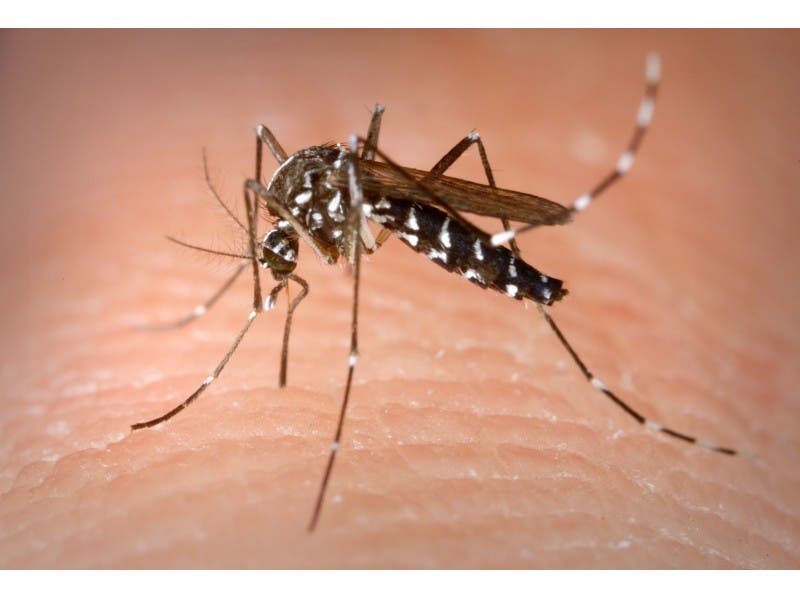
Zika is primarily spread through a bite of the Aedes species mosquito, typically found in southern states. There is a closely related species in New Jersey, and the CDC is monitoring to determine how effectively this mosquito “cousin” can carry and transmit Zika.
The vast majority of individuals who get Zika do not develop symptoms. For those who do, symptoms tend to be mild.
“Our biggest concern at this point is pregnant women who may acquire Zika while traveling and the potential impact of the virus on their unborn children,’’ Bennett said.
The CDC has also cautioned that sexual transmission of Zika has been reported after travel to the impacted countries. The Red Cross has recommended that blood donors who have traveled to Mexico, the Caribbean, or Central or South America postpone donations until 28 days after returning to the U.S.
“New Jersey does not expect to see Zika outbreaks based on many years of mosquito control and monitoring in partnership with the New Jersey Department of Environmental Protection and local government,” said State Epidemiologist Tina Tan.
She also pointed out that the United States’ experience with other mosquito-borne viruses like dengue and chikungunya have been largely travel-imported cases that have not led to widespread outbreaks.
“In light of the serious concern over Zika and birth defects, women who are either pregnant or considering becoming pregnant should postpone travel to Latin American countries and the Caribbean and should also be aware about possible sexual transmission risk,” Dr. Tan added.
Bennett and Tan will visit Montclair State University on Thursday, March 3 to meet with students and faculty, some of whom will be traveling to Brazil next month.
Brito and other physicians will meet with pregnant women, nurses and medical students and hold Zika discussions with groups of doctors in hospitals. State epidemiologists will also meet with public health and health care groups.
“As the 11th most populous state, New Jersey is highly diverse with 20 percent of our population foreign born. Global travel is more common now than ever before,” Dr. Brito said. “Our vision is to have zero babies born with Zika because their mothers are aware of the travel advisories and potential risks.”
For CDC’s Zika-related travel advisory list of impacted countries and territories, please visit http://www.cdc.gov/zika/geo/active-countries.html. The list of affected countries is growing, so check the CDC website for up-to-date information on travel recommendations.
There is no vaccine or medicine to treat Zika. Mosquito bites remain the primary way Zika virus is transmitted. When traveling to countries where viruses have been reported, the best way to protect yourself is to use insect repellent, wear long sleeves and pants, and stay in places with air conditioning or that use window and door screens.
Upcoming public events as part of the campaign include:
- Montclair State University
Thursday, March 3
10 a.m.
1 Normal Ave. Lecture Hall in Center for Environmental Life Sciences
Montclair, New Jersey 07043
- Newark Community Health Center
Monday, March 7
11 a.m.
155 Jefferson St. (Old St. James Hospital)
Newark, NJ 07105
- Clara Maas Medical Center
Monday, March 7
1 p.m.
1 Clara Maass Dr.
Belleville, NJ 07109
- North Hudson Community Action Corporation
Wednesday, March 16
10:30 a.m.
5301 Broadway
West New York, NJ 07093
For more information, visit the Department’s Zika webpage at nj.gov/health/cd/zika/ or CDC’s Zika website at cdc.gov/zika.
Follow the New Jersey Department of Health on Twitter at twitter.com/NJDeptofHealth and on Facebook at facebook.com/NJDeptofHealth.
Get more local news delivered straight to your inbox. Sign up for free Patch newsletters and alerts.