Schools
Hoboken High School Installs Eco-Friendly Water Stations
Schools across the nation have been making the move to the new water stations in lieu of traditional fountains.


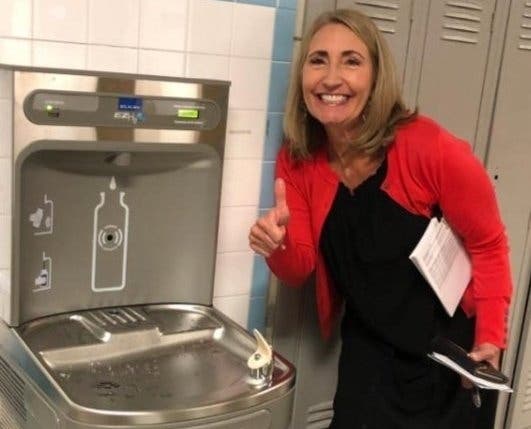
HOBOKEN, NJ — Students and staff at Hoboken High School are now part of a growing segment of schools that are installing environmentally friendly water fountains.
On Wednesday, Hoboken High School tweeted that it’s introducing “environmentally responsible hydration stations” throughout the building (see below photo).
“Can we get these next in our schools?” one commenter asked.
Find out what's happening in Hobokenfor free with the latest updates from Patch.
Story continues below
Hoboken High School is proud to introduce environmentally responsible hydration stations throughout the building @RaviBhalla @CityofHoboken @DrLRepollet @NewJerseyDOE @hMAG @HobokenNJEA @NewJerseyDEP @HobokenPatch @njdotcom @hudson_reporter @HudsonCoNJDOE pic.twitter.com/kKYYlKDfmk
— Hoboken Schools (@HobokenSchools) August 29, 2019
Schools across the nation have been making the move to the new water stations in lieu of traditional fountains. Several schools in nearby Essex County have been installing the same type of stations now seen at Hoboken High.
Find out what's happening in Hobokenfor free with the latest updates from Patch.
- See related article: Essex County Schools Are Embracing New Water Stations (Here's Why)
Explaining why they made the switch in 2017, the Millburn Public School District offered a list of "facts about bottled water" in a news release:
- Tap water is safer than bottled water. The belief that bottled water is better than tap water is driven by a multimillion-dollar industry marketing effort. Bottled water is regulated by the Food and Drug Administration; whereas tap water is regulated more strictly by the Environmental Protection Agency.
- Bottled water consumers are often drinking tap water that has been processed, packaged and shipped, damaging our environment and ultimately costing up to thousands of times the price of drinking this same water straight from the tap.
- Bottling companies often take water from sources that local residents depend on for drinking and recreation, thus reducing the availability of local resources for others that depend on them.
- One study found that the manufacture, production and transportation of bottled water uses 1,100 to 2,000 times more energy than the treatment and distribution of tap water.
- Most plastic water bottles are not recycled (only 29% in 2017).
Don’t forget to visit the Patch Hoboken Facebook page. Learn more about posting announcements or events to your local Patch site. Send local news tips and correction requests to eric.kiefer@patch.com
Get more local news delivered straight to your inbox. Sign up for free Patch newsletters and alerts.