Neighbor News
Treating Patients from All Walks of Life: The Lapiplasty® Procedure
From hiking the European mountains to neighborhood jogs, the Lapiplasty® Procedure has helped my patients get back on their feet
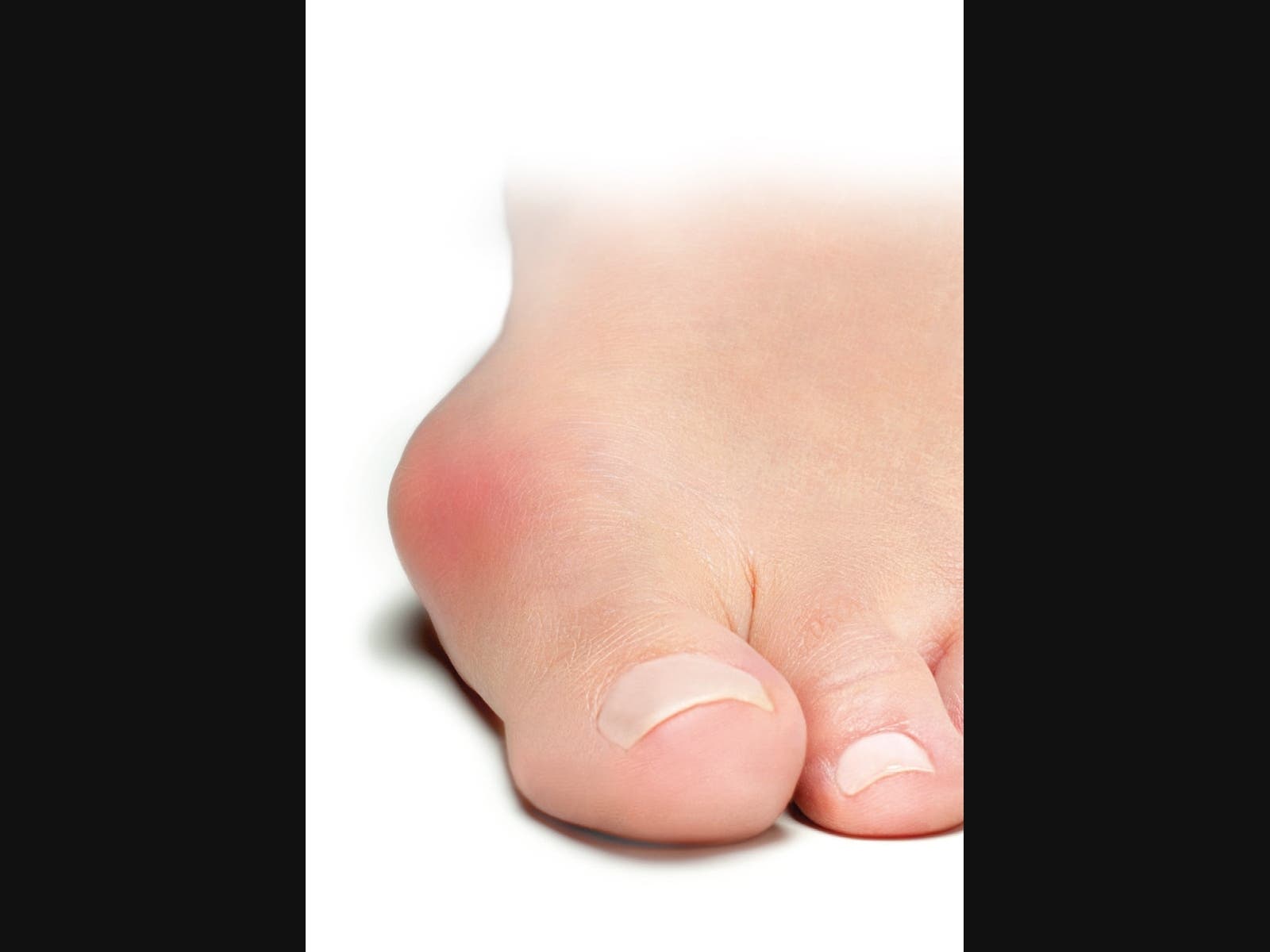
As a board-certified foot and ankle specialist, I have been treating a variety of foot problems for more than 10 years. Among the most frequent and painful conditions my patients experience are bunions. Whether my patients hike on the weekends, ski during the winter, or just walk around their neighborhoods, bunions impact almost any part of their daily routines. Despite the negative impact bunions can have, I am pleased to be part of a growing number of specialists offering a procedure called Lapiplasty® 3D Bunion Correction® that uses a unique approach to address this painful and progressive condition[1].
Many of my patients enjoy active lifestyles. I recently treated a woman who was training to walk the Camino de Santiago, a 500-mile hiking trail that starts in France and ends in Spain. Her family has a history of bunions and when she developed them, the pain in her feet prevented her from continuing her training. Fortunately, she caught a segment of a television show I am featured in called, “My Feet Are Killing Me.” She visited me at Central Park SOLE in the Upper West Side of New York City, where I evaluated her and explained how the Lapiplasty® Procedure works.
While there are nonsurgical options such as shoe inserts, splints and pads that can provide patients with temporary relief for their bunion pain, the only way to correct the deformity is with surgery[2],[3]. The Lapiplasty® Procedure allows surgeons to use a system of innovative titanium plating technology to secure the unstable joint, addressing the root cause of the bunion[4],[5]. All three dimensions of the bunion deformity are addressed as well as the cosmetic bump on the side of the big toe. Many patients can put weight on their affected foot while wearing a walking boot within days after surgery and most can return to their usual physical activities within about four months[6],[7],[8].
Find out what's happening in Hobokenfor free with the latest updates from Patch.
My patient underwent the Lapiplasty® Procedure on her left foot in October 2022. Dr. Schaeffer also corrected several hammertoes at the same time. She was non-weightbearing for eight weeks so that her hammertoe corrections could heal before wearing a walking boot for four weeks. At 12 weeks post-surgery, she was able to fit into regular sneakers and was cleared by Dr. Schaeffer to exercise. She was then able to begin training again in preparation for walking the Camino de Santiago.
I see many patients who are worried that their feet will never feel better. I always prioritize their comfort and reassure them that I am by their side every step of the way from consultation through recovery. With the Lapiplasty® Procedure, foot specialists such as myself have been able to address their concerns and put them on the right track toward being able to return to the lifestyles they once enjoyed.
Find out what's happening in Hobokenfor free with the latest updates from Patch.
I am very grateful to be able to offer the Lapiplasty® Procedure to treat my patients, and I strongly recommend it to anyone who is an eligible candidate. It is amazing to see the impact that the Lapiplasty® Procedure has on my patients from all walks of life and I am excited to see how it impacts the future of podiatry!
For more information about the Lapiplasty® Procedure™, visit www.Lapiplasty.com.
Lapiplasty® is a surgical procedure. Only a surgeon can tell if the Lapiplasty® Procedure is right for you. This experience is unique and specific to this patient only. Individual results may vary depending on age, weight, health, and other variables. There are risks and recovery takes time. For more information about recovery from the Lapiplasty® Procedure, see the recovery information and discuss the post-surgery recovery process with your doctor. Risks include infection, pain, implant loosening and loss of correction with improper bone healing. For more information on benefits, risks and recovery, visit Lapiplasty.com.
[1] American College of Foot and Ankle Surgeons (ACFAS) Website ©2019.