Politics & Government
US Army Enters Battle Over Hoboken’s Dry Dock
The struggle over the Dry Dock already involves the City of Hoboken, NJ Transit and NY Waterway. Enter the U.S. Army Corps of Engineers.


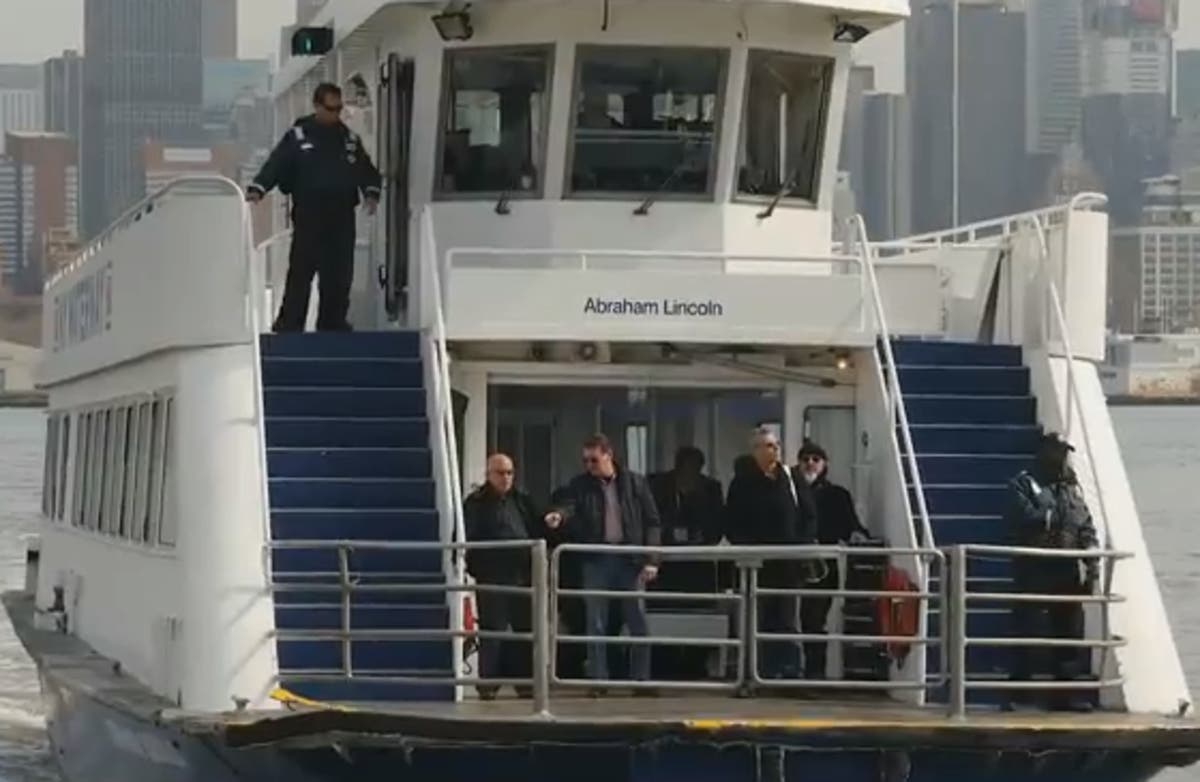
HOBOKEN, NJ — The struggle over the fate of the Union Dry Dock already involves the City of Hoboken, NJ Transit and NY Waterway. Now, there’s a new player in a game that’s already got several hands at the table: the U.S. Army Corps of Engineers.
On Wednesday, city officials announced that “in a significant turn of events,” the Army Corps of Engineers (USACE) has determined that it will require New York Waterways to undergo a “substantially more vigorous” public vetting process before allowing operations to commence at the Union Dry Dock site.
NJ Transit officials have previously proposed a controversial plan to buy the property – which is currently owned by NY Waterway – and lease it back to the privately owned company for use as a maintenance and fueling depot for its ferry fleet on the Hudson River.
Find out what's happening in Hobokenfor free with the latest updates from Patch.
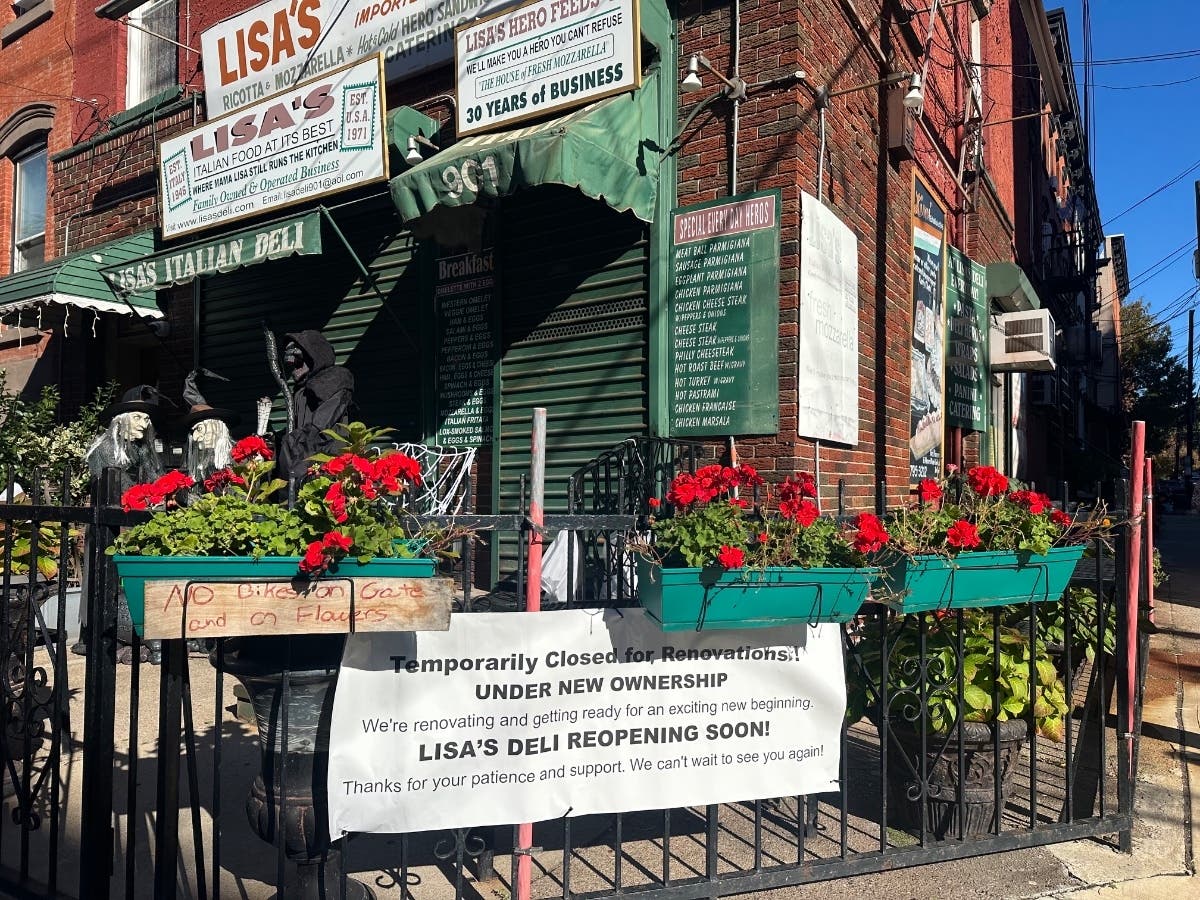
In November 2017, the Hoboken City Council authorized the use of eminent domain for the acquisition of the Union Dry Dock site at 901 Sinatra Drive to use as "open space,” a plan backed by local community groups such as the Fund for a Better Waterfront.
- See related article: Showdown On Hoboken Dry Dock Averted; NJ Transit Postpones Vote
According to Hoboken Mayor Ravinder Bhalla, the USACE made its determination about the Dry Docks after he sent the agency a letter requesting heightened scrutiny of the proposed plan.
Find out what's happening in Hobokenfor free with the latest updates from Patch.
Why is the Army involved? NY Waterway needs a permit to build the depot because of the Rivers and Harbors Act of 1899.
“The permit applicant, Port Imperial Ferry Corp., d/b/a New York Waterway, has requested Department of the Army authorization to repair existing pier structures and permanently moor four, floating maintenance and repair barge vessels in the former Union Dry Dock facility in the City of Hoboken to allow the relocation of their existing maintenance and support facility from the Borough of Weehawken to the City of Hoboken.”
Bhalla explained more about what the recent ruling means in a Wednesday statement:
“Specifically, the USACE issued a notice stating that the NYWW application will be subject to review as an ‘individual permit application’ rather than a national permit application. An individual permit application requires a heightened level of scrutiny, a more open, transparent and public process, and the opportunity for a public hearing at the discretion of the Army Corps of Engineers at a location in proximity of the project site. As part of this process, the USACOE will also study more suitable alternative locations for the proposed use… The individual permit application, as opposed to the less-thorough national permit application, also requires a study to determine the impact of the use on air, water, wildlife, recreation, public safety, and other relevant considerations.”
Bhalla said the USACE decision was great news for Hoboken residents.
“We have been advocating for an open and transparent process, so the voices of residents are heard and taken into account,” the mayor said. “I am grateful that the Army Corps of Engineers will take into consideration public input, including the well-documented public detriments of the proposed use. This is a great step towards a regional solution that considers all legitimate interests.”
However, Arthur E. Imperatore, a member of the New Jersey Hall of Fame and founder of NY Waterway, said in March that it’s the company's right to operate a maintenance facility on the Dry Dock property at 901 Sinatra Drive, which it purchased last year for $11.5 million.
"The Union Dry Dock site has been used as a marine repair facility for more than a century,” Imperatore stated. “It is the only available site with the zoning required for NY Waterway to operate. There is no other available and suitable facility than Union Dry Dock with deep water, piers and heavy electrical power.”
He added:
"It is right in the middle of NY Waterway's core operating area, with commuter ferry routes operating from eight ferry terminals in Weehawken, Hoboken and Jersey City. This central location helps us control our operating costs. More important, it means our ferries are in the right place in an emergency, such as the 9/11 terrorist attacks in 2001, the 2003 blackout, the 2005 transit strike, Superstorm Sandy and countless disruptions to other transit systems. When these systems go down, NY Waterway must deploy extra ferries to carry more people on an emergency basis. We are part of the public mass transit system.”
- See related article: NY Waterway Founder To Hoboken Council: Leave Dry Dock Alone
Get more local news delivered straight to your inbox. Sign up for free Patch newsletters and alerts.