Neighbor News
You are what you eat
Democrat Lisa McCormick is calling on lawmakers to help make improvements in the environment and food supply to make Americans more healthy.
Progressive Democrat Lisa McCormick is calling on federal lawmakers to help make improvements in the environment and food supply to make Americans more healthy.
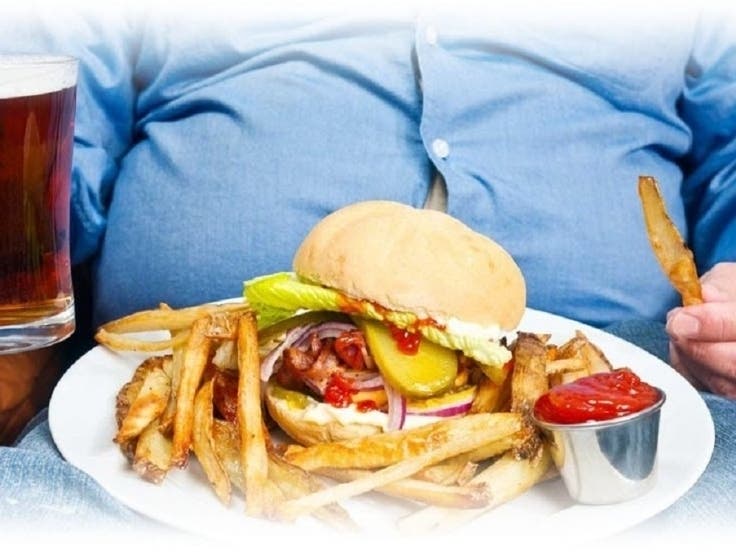
The food we eat has a profound impact on our health. What we eat can either make us healthy or sick. In recent years, there has been a growing concern about the quality of our food supply. Many Americans are now suffering from obesity and malnutrition at the same time.
According to the Centers for Disease Control and Prevention (CDC), 1 in 6 Americans fall victim to foodborne diseases each year, resulting in 128,000 hospitalizations and 3,000 deaths.
Find out what's happening in Jersey Cityfor free with the latest updates from Patch.
The National Health and Nutrition Examination Survey (NHANES), a national survey of health and nutrition in the United States, reported that the percentage of people Americans who are obese increased from 30.5% to 41.9%, while the prevalence of severe obesity increased from 4.7% to 9.2%.
According to a study published in the journal "Obesity" in 2019, about 10% of adults in the United States are both obese and undernourished. This means that they are overweight or obese, but they are also not getting enough of certain nutrients from the food they eat.
Find out what's happening in Jersey Cityfor free with the latest updates from Patch.
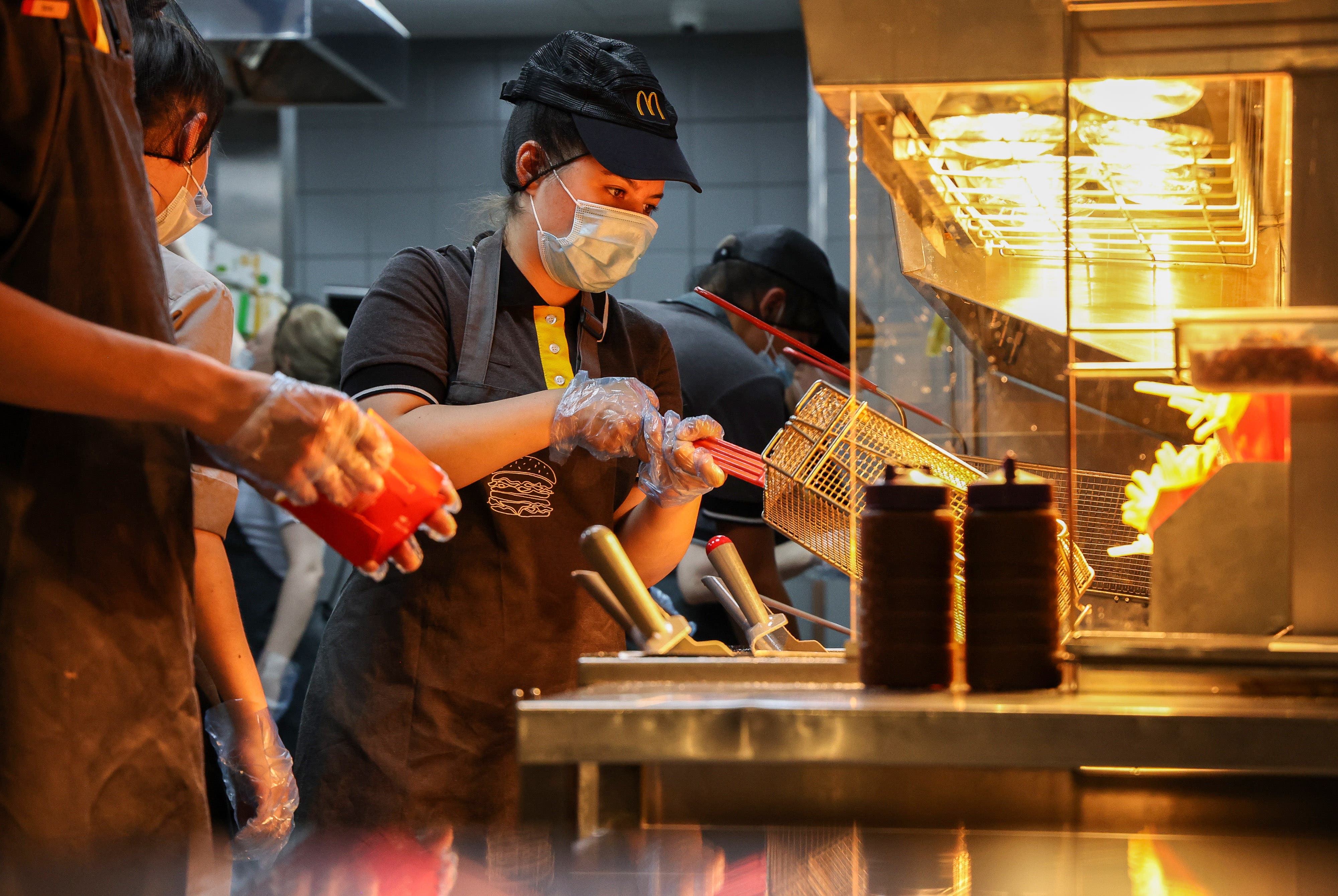
McCormick said among the main culprits behind this problem are McDonald's and other fast food chains. These companies have been polluting our food supply with unhealthy ingredients, such as processed meats, high-fructose corn syrup, and artificial additives. These ingredients have been linked to a number of health problems, including obesity, heart disease, and cancer.
In addition to fast food, big agricultural corporations are also contributing to the problem. These corporations use intensive farming practices that pollute our water supply and soil with pesticides, herbicides, and fertilizers. These chemicals can also make their way into our food supply, harming our health.
Critics have argued that the Biden administration has not done enough to address the issue of food quality, particularly in terms of reducing the amount of processed food and sugary drinks in the American diet.
The administration has not done enough to promote healthy eating habits among children, to regulate the food industry, or to reduce the amount of processed food in the American diet.
In June, 160 organizations, including members of the newly formed Federal Good Food Purchasing Coalition, sent a letter to Biden urging the President to fulfill his commitment by ordering all federal agencies to implement updated food service guidelines.
"Currently, the federal government’s annual expenditure of approximately $8.8 billion in food purchases largely supports the status quo industrial food system, which compromises human, animal, and planetary health through exploitation of farm and food workers, concentration of corporate wealth, degradation of natural resources, and over production of highly processed foods with low nutrition value," said the letter.
"Over the past century, the advent of modern farming techniques, the corporatization of agriculture, the use of petrochemical-based fertilizers, and the subsidizing and encouragement of Big Ag have collectively created a poisonous brew that is now affecting our health and well-being in critical ways," said Democratic presidential candidate Marianne Williamson. "The function of protecting America’s food supply was given in 1930 to an agency called The Food and Drug Administration (FDA). Most of us have grown up believing the FDA to be a watchdog on the lookout for threats to our health and well-being."
Williamson said the FDA is not up to that job.
"A way-too-cozy relationship between the US government and its corporate benefactors has become the order of the day," said Williamson. "In what is commonly called a 'revolving door' practice, former corporate leaders now routinely move into positions of governmental authority."
"Regulatory agencies have been captured by those they are supposed to regulate: Wall Street controls the SEC. Polluters and extractive industries dominate the EPA and BLM. Pharma controls the CDC, NIH, and FDA. Big Ag controls the USDA," said Robert F. Kennedy, Jr., another Democratic presidential candidate who is challenging incumbent President Joe Biden. "No wonder trust in government is at all-time lows. It’s time to earn it back."
Kennedy, the son of the late U.S. Sen. Robert F. Kennedy and nephew of the late President John F. Kennedy, has charted a course for the revitalization of farming in America to ensure the safety of our food supply.
"Agriculture provides a pathway to human and global planetary health," said Kennedy. "Our wild and working landscapes — when stewarded harmoniously — provide oxygen and nutrient-dense food, sequester carbon, and regulate the hydrological cycle which is earth’s air conditioning system, essential for climate resilience and mitigation."
"America has much of the best agricultural soil on earth," said Kennedy. "Yet for decades now, America's farmers have been devastated by policies that have driven up farm debt and increased their vulnerabilities to climate change."
"Fortunately, a new generation of farmers is focused on working with nature by rebuilding their soils using regenerative practices that increase biodiversity, improve their resilience to drought and floods, and increase on-farm profits," said Kennedy.
"Many of our health problems, including obesity, can be traced to the corruption of our food system," said Williamson. "We experience a lack of vitality in our food and thus, in our bodies, from processed foods containing poor-quality calories, few if any nutrients, and the residue of poisons (like RoundUp) in Big Ag."
"We heavily subsidize unhealthy mass-produced foods like corn syrup and hydrogenated oils, when we need to be supporting the production of healthy whole foods, making them more affordable and accessible," said Williamson. "We must also update our nation’s outdated nutrition guidelines and our food pyramid, which have not caught up to the science of what constitutes healthy food."
The result of all this processed food and pollution is that many Americans are now suffering from both obesity and malnutrition. Obesity is a major risk factor for a number of chronic diseases, including heart disease, stroke, type 2 diabetes, and some types of cancer. It is also a risk factor for premature death.
U.S. Senator Cory Booker, a member of the Committee on Agriculture, Nutrition, and Forestry; also believes that our food system is deeply broken.

“Currently, not only are we seeing a growing nutrition crisis in our country causing an explosion in diet-related illnesses, but the current food system is benefiting large corporations while consumers, independent family farmers and ranchers, and rural communities are losing out," said Booker.
Malnutrition is the lack of essential nutrients in the diet. It can lead to a number of health problems, including fatigue, weakness, and impaired immune function.
Industrial agriculture uses large amounts of chemicals, such as pesticides, herbicides, and fertilizers. Factory farming involves confining large numbers of animals in small spaces in a system that can spread disease and increase the use of antibiotics, both of which pollute our food supply.
Food processing processes use chemical preservatives and artificial flavors, which can also pollute our food supply, just as packaging materials, such as plastic and paper, can release harmful chemicals into the things we eat.
McCormick said the harmful impact on health from America's food supply is apparent. A 2020 study by the Centers for Disease Control and Prevention (CDC) estimated that 44 percent of Americans, or 145.8 million people, used at least one prescription drug in the past month. That number has been increasing steadily over the past few decades.
“The sugar content of a typical diet is outrageous and the consequences of mass processing are a society that is both obese and malnourished,” said McCormick. “As we discover that fossil fuel emissions have wrecked the global temperature exchanges, forever chemicals are in virtually all our water supplies and ubiquitous plastic pollution is manifested in our brains as well as marine animals and birds, it is clear that humans are destroying humanity.”
It is time to stop poisoning our planet, says McCormick, who has proposed a number of remedies for the growing threats posed by irresponsible technology and industry.
Sustainable agriculture minimizes the use of chemicals and other pollutants. Integrated pest management is a system of controlling destructive insect and rodent populations without relying on chemical poisons. It uses a variety of methods, such as crop rotation, biological control, and mechanical control. Crop rotation is the practice of planting different vegetables in the same field in different years, which helps break the life cycle of pests and diseases.
McCormick said fewer Americans would need medication if they simply had a safe environment and healthy food supply. By raising awareness about food pollution, McCormick said we can help to create a demand for cleaner food.
We need to take action to clean up our food supply and protect our health. We can start by making healthier choices about the food we eat. We should also support policies that promote sustainable agriculture and food production. By working together, we can create a healthier food system for ourselves and future generations.
Here are some specific ways to make healthier choices about the food we eat:
- Eat more fruits, vegetables, and whole grains.
- Choose lean protein sources, such as fish, beans, and tofu.
- Limit processed foods, sugary drinks, and unhealthy fats.
- Cook more meals at home.
- Read food labels carefully and avoid foods with unhealthy ingredients.
Buying local and organic foods whenever possible.
- Supporting farmers markets and community-supported agriculture (CSA) programs.
- Advocating for policies that protect our water supply and soil from pollution.
- Educating ourselves and others about the importance of healthy eating.
By making healthier choices about the food we eat and supporting policies that promote sustainable agriculture, Lisa McCormick said we can help to create a healthier food system for ourselves and future generations.