Business & Tech
Oyster Creek Begins Startup Process
Inspectors found no damage following Hurricane Irene

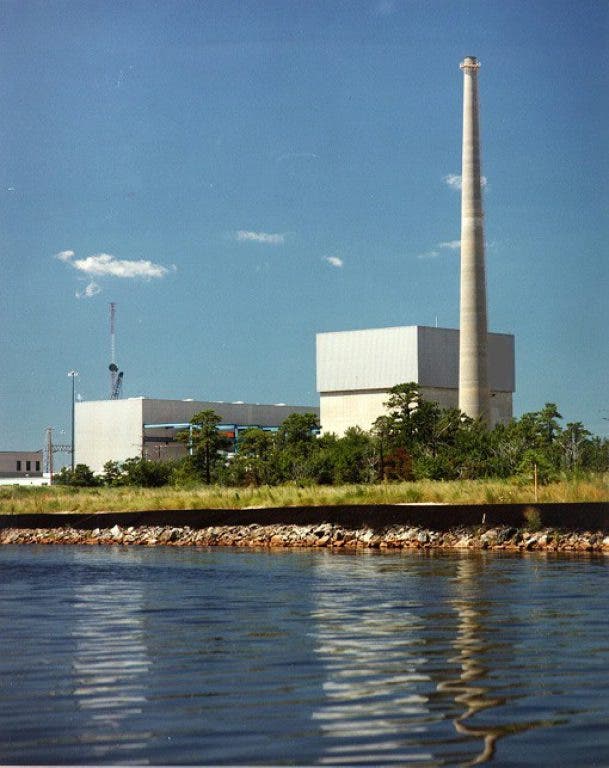
Oyster Creek Generating Station has begun the startup process after operators took the generator off line in preparation for Hurricane Irene, spokesperson Suzanne D’Ambrosio said.
“After careful planning and conservative storm preparations, we are ready,” she said.
The plant began the startup process on Sunday evening once Irene’s winds died down and post storm inspections were completed, D’Ambrosio said. The plant did not sustain any damages due to the storm.
Find out what's happening in Laceyfor free with the latest updates from Patch.
“In the course of a week, Oyster Creek has experienced an earthquake. Oyster Creek has experienced a hurricane of historical proportions for the Jersey Shore. All the while, the plant stayed safe. It stood strong. It’s proof of the plant's integrity.”
Oyster Creek began on Thursday, Aug. 25 when it . Operators and deheated and depressurized the coolant systems by early Sunday morning.
Find out what's happening in Laceyfor free with the latest updates from Patch.
“The did great. They deserve a pat on a back because they did bring it to shut down with that incident,” said Janet Tauro, Chair of the Board of Directors for the New Jersey Environmental Federation and a member of Grandmothers, Mothers, and More (GRAMMES).
But although operators shut down the plant successfully and there was no impact as a result of the storm, local groups think Oyster Creek simply got lucky.
“We think the workers there are an incredibly well trained group of individuals. However what this really shows is really the vulnerabilities of the plant when it comes to a very severe whether situation,” Tauro said.
The plant did not face the force of winds that were originally predicted, she said. Even though they shut the plant down, the cooling systems need to keep running to keep the fuel pool cool.
“We’re very lucky. The workforce did great. There’s never been a question about that. It’s just bad design combined with Mother Nature,” Tauro said.
When the plant shuts down, it is no longer generating electricity but electricity is still coming into the plant from the electrical grid to keep the cooling system going. The plant is still vulnerable to having their power knocked out, which would cause several problems, she said.
The two backup diesel generators that would keep the cooling system going are located in the middle of a flood plane, she said. There are also service water pumps located right off the water.
“In a storm surge, if the service water pumps are damaged, that effects the backup diesel generators,” Tauro said. “There are all these vulnerable stops all over the plant. While the workforce is fantastic the problem is the vulnerabilities of design, location of the backup diesel generators, and the location of the service water pumps combined with angry Mother Nature.”
If the plant lost cooling, there would be a buildup of steam at the reactor and the fuel pools could explode, which would result in widespread radiation. The situation would be similar to what happened to the Fukushima nuclear plant in Japan, she said.
“This time we did great but next time, if we do have what’s predicted, you really don’t know what could happen here,” Tauro said.
Edith Gbur, a member of Jersey Shore Nuclear Watch and a resident of Toms River, evacuated on Saturday and headed towards Lancaster, PA. Gbur said Oyster Creek is one of the reasons why they left. Living in such close proximity to the plant puts them in a “dead zone,” she said.
“It was very scary. But we were told that the weather is pretty good and not to expect any kind of hurricanes and that everything is hurricane proof. I feel as though the weather is getting worse all the time,” Gbur said.
Forecasters were predicting much worse conditions and Lacey Township did not get hit as bad as originally expected, she said.
“It was just a matter of luck,” Gbur said. “I think they did the right thing but it is very hard to tell how effective they were if it didn’t get hit at all.”
Because the preparation for the hurricane began days before it hit, Oyster Creek was able to take necessary measures, she said. But they cannot prepare for a meltdown, she said.
“We knew the hurricane was coming from a certain place. We had plenty of warning. If there is a meltdown, you don’t get warning. You’re not going to make it,” Gbur said. “If the plant gets hit hard and the plumes spread, there’s nothing you can do. You’re just in its way.”
Dennis Zannoni, a Chief Nuclear Engineer and former Department of Environmental Protection's chief resident inspector for Oyster Creek, was more concerned by earlier last week than the hurricane, he said.
“It has been underestimated that an earthquake can hit the East Coast. That’s my main concern,” he said.
If a category 5.8 earthquake could happen in Virginia, who’s to say it cannot happen in New Jersey, he said.
As for the hurricane, if Irene remained a category two or three, the water would have exceeded what it was designed for, he said.
“Plants on the East Coast need to be reevaluated. I think they dodged a bullet so they should be thankful,” Zannoni said.
Get more local news delivered straight to your inbox. Sign up for free Patch newsletters and alerts.