Schools
Rider University Removes Slave Owner's Name From Campus House
The move comes after a task force discovered that Benjamin Van Cleve enslaved people and spoke out in support of slavery.


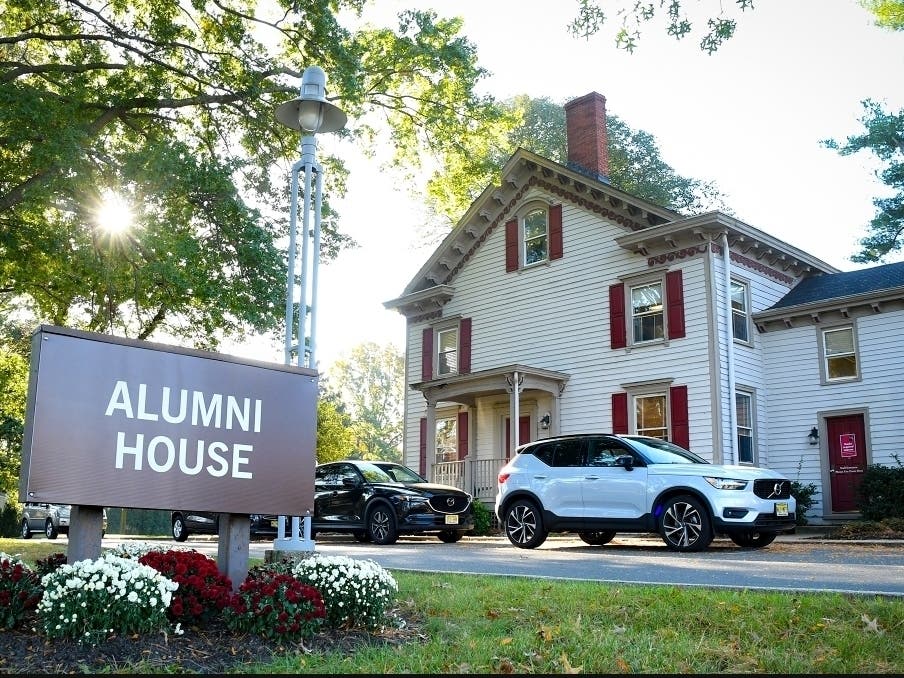
LAWRENCEVILLE, NJ — Lawrenceville-based Rider University will remove the name of a slave owner from an 18th-century house on campus, the University announced Thursday.
The University will remove the Van Cleve name and replace it with Alumni House. This follows the discovery that Benjamin Van Cleve supported slavery, the University said in a statement.
Rider’s Board of Trustees adopted a resolution supporting the name change on Wednesday.
Find out what's happening in Lawrencevillefor free with the latest updates from Patch.
“Van Cleve's support of slavery, both as a private citizen and a legislator, makes it inappropriate for Rider to continue having one of its building named after him,” President Gregory G. Dell’Omo, and John Guarino ‘82, chair of Rider’s Board of Trustees said in a joint statement.
“Van Cleve chose to champion the institution of slavery even as other citizens in New Jersey awoke to the cause of abolition and the horrors of human bondage. Judged by the standards of his time or ours, Van Cleve’s actions and attitudes have no place in the Rider community.”
Find out what's happening in Lawrencevillefor free with the latest updates from Patch.
Van Cleve was a Revolutionary War veteran and statesman. The house that bore his name was part of the property Rider purchased in 1956 as it moved its campus from Trenton to Lawrenceville.
The house has been used for various purposes over the years, first as a student residence, then as the Admissions building. Since 1993, it has been the location for Rider’s Office of Alumni Relations.
A new temporary sign was erected in front of the house on Route 206 on Oct. 21.
Last year, Rider set up a task force to examine the life and career of Van Cleve. According to the findings by the task force, Van Cleve held enslaved people and spoke out in support of slavery, and strengthened restrictions on enslaved peoples as a New Jersey legislator during the 19th century.
“Research shows that Van Cleve simultaneously fought for the ideal of liberty while also participating in and championing the cruelty of slavery and the degradation and dehumanization of Black Americans,” the University said.
Following the findings, Rider plans to install materials near the house that educate around this history and memorialize those who were enslaved.
The University has also launched a new section of its website dedicated to sharing information about the task force and its findings.
Now that these facts have come to light, “We cannot continue to hold him up, even tacitly, as worthy of honor or emulation,” Dell’Omo and Guarino said.
Thank you for reading. Have a correction or news tip? Email sarah.salvadore@patch.com
Get breaking news alerts on your phone with our app. Download here. Sign up to get Patch emails so you don't miss out on local and statewide news.
Get more local news delivered straight to your inbox. Sign up for free Patch newsletters and alerts.