Community Corner
Year In Space Affected Astronaut's Genes: NASA
Scott Kelly spent a year on the International Space Station. The experience allowed NASA to study the effects of long-term space travel.


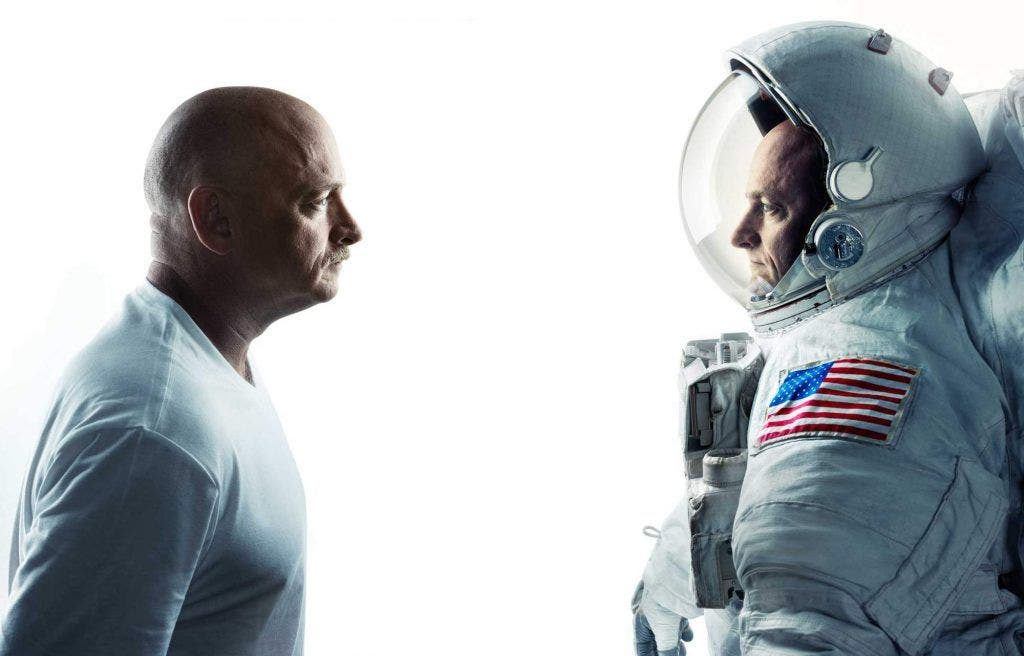
Astronaut Scott Kelly's year in space gave scientists a view into just how long-term space travel could affect the human body — including our genes — and basic bodily functions, including regular blood sugar levels.
Scott Kelly, a New Jersey native, spent 340 days in outer space aboard the International Space Station while his twin brother Mark, stayed on earth. This gave NASA and researchers the opportunity to compare the effect the trip had on Scott's body, down to the molecular level. The brothers are now retired from the space program.
The data will help NASA plan out taking humans to Mars, a round trip that would take 500 days, and give new insights into how the human body adjusts to isolation, radiation, stress and weightlessness.
Find out what's happening in Mahwahfor free with the latest updates from Patch.
Data was taken before, during and after Scott Kelly went to the space station in March 2015. NASA had blood and other biological samples taken from each man.
Preliminary data shows that the twins had observable differences in the way information is copied from a gene and used to support cell functions, like creating insulin to help control blood glucose levels. Such processes are affected by environment and the process can be changed depending on changes in one's sleep cycle, diet or environment, such as spending a lot of time in a weightless environment.
Find out what's happening in Mahwahfor free with the latest updates from Patch.
That process of DNA methylation decreased during Scott Kelly's time in space and increased in Mark Kelly throughout the same period. Scott Kelly's levels returned to his pre-flight status after he returned to earth.
“The greatest importance of the study is to show that we can do it,” Andrew Feinberg, a geneticist at Johns Hopkins University, who was part of the team that performed the study, told PBS.org. “I don’t think people realized it would be so easy to do genomics on astronauts in space.”
More results are expected to be released in the coming months. The Kelly twins have the right to examine the information before it is made public.
1st results of @NASA's Twin Studies w myself & @ShuttleCDRKelly are out. Turns out we are related! But there's more: https://t.co/Ov8zV995QR pic.twitter.com/hfAG2s6MMw
— Scott Kelly (@StationCDRKelly) January 28, 2017
Kelly tweeted 1,000 pictures while on the ISS, taking advantage of the space station’s unique vantage point. With an orbital path that covers more than 90 percent of Earth’s population, Kelly captured some breathtaking images of Earth.
Other highlights include Kelly showing the world the first flower grown in space and eating the first lettuce grown in space.
Send local news tips, photos, and press releases to daniel.hubbard@patch.com. Get Patch breaking news alerts sent right to your phone with our new app. Download here.
Photo: Scott and Mark Kelly participated in an experience to see how the human body reacted to a year in space and how it might be affected by long-term space travel. — Photo courtesy of NASA
Get more local news delivered straight to your inbox. Sign up for free Patch newsletters and alerts.