Community Corner
Catch A Falling Star ... Well, Lots of Them ... This Weekend
Annual Perseid meteor shower should be a good show thanks to clear skies


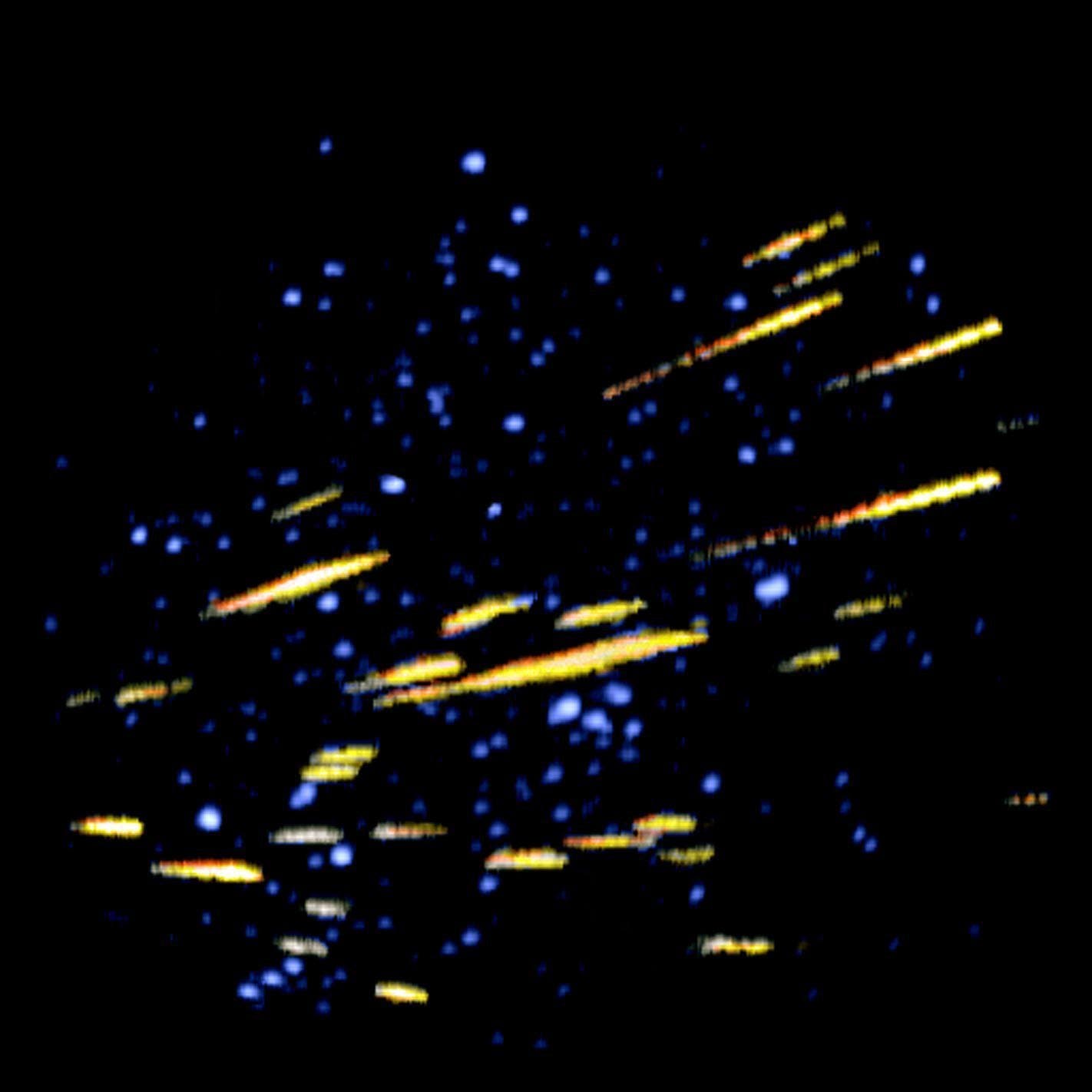
Shooting stars have a mythical quality. We’ve been wishing on them for generations. Movies use them frequently. Director Steven Spielberg includes them in several of his, from “Jaws” to “Indiana Jones and the Temple of Doom” to “Close Encounters of the Third Kind,” as a good luck charm. Disney includes one in its logo and in its fireworks show over the castle at Walt Disney World.
If you’ve ever wanted to see a shooting star in real life, however, this weekend is a prime opportunity, as the Perseid meteor shower bursts into view on a weekend where the forecast is for clear skies until at least Monday. EarthSky.com says reports from NASA’s Fireball Network indicate the activity has been increasing for a couple of days already.
Shooting stars are not really stars, of course, but are meteors, bits of rock and debris, usually from a comet, that continue to orbit the sun. As Earth travels through the orbit of the comet debris, the bits of rock begin to glow as they interact with a planet’s atmosphere, according to NASA. The Perseids is the biggest meteor shower of the year because of the sheer number of meteors, with as many as 50 to 80 per hour visible for most areas. Spacedex.com says upwards of 30 per hour may be visible for New Jersey viewers. That site also gives viewing tips.
Find out what's happening in Manchesterfor free with the latest updates from Patch.
In addition to the meteors this weekend, the night sky will include the second of three supermoons this summer, where the full moon is at its largest and closest to earth.
If you really want to dig in and learn more about the meteor showers, the Robert J. Novins Planetarium at Ocean County College in Toms River has a program Saturday called the Wonders of the Seasonal Sky, at 1 p.m. and 7 p.m. Click here for ticket information.
Find out what's happening in Manchesterfor free with the latest updates from Patch.
The best place to watch the show? Some place with low levels of ambient light. Try the boardwalk (away from the lights and games, of course) or the beach. The darker the place, the more meteors you’re likely to see.
For the amateur photographers, timeanddate.com offers tips for taking photos of the supermoon.
Enjoy the show!
(Photo credit: S. Molau and P. Jenniskens, NASA Ames Research Center)
Get more local news delivered straight to your inbox. Sign up for free Patch newsletters and alerts.