Politics & Government
Feral Cat Rules May Be Eased To Aid TNR Efforts In Manchester
A potential change to a township ordinance could pave the way for trap-neuter-release programs to increase assistance with feline colonies.


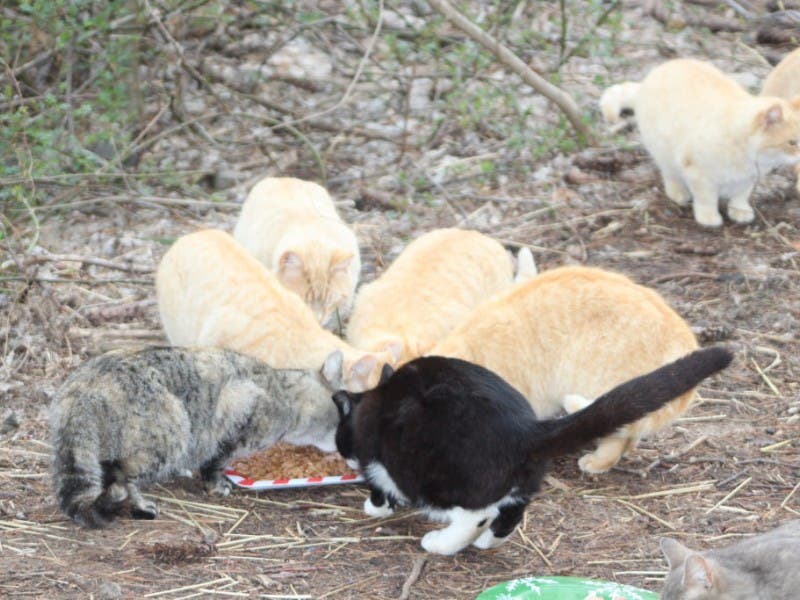
MANCHESTER, NJ -- People who are actively caring for feral cats -- including making efforts to control the growth of the population -- may receive support from Manchester Township under a proposed ordinance change discussed Monday night.
Currently, Manchester Township’s ordinances bar the feeding of any feral cats under any circumstances. But during a workshop discussion on the topic, the Township Council was told that changing the ordinance could help improve management of the animals’ population.
Volunteers with two animal rescue organizations told the council that amending the ordinance would allow them to more effectively trap cats for trap-neuter-return (TNR) operations -- which, they said and officials confirmed, would save the township money.
Find out what's happening in Manchesterfor free with the latest updates from Patch.
A woman from Animal Birth Control Inc. in Pine Beach, a nonprofit organization that assists with spaying and neutering as well as TNR, told the council that her organization receives eight to 10 calls a day to assist with feral cats, particularly those with kittens, and many of those calls come from Manchester, she said.
Feral cats receive health exams and in addition to spaying or neutering, the cats are vaccinated for rabies and distemper before being returned to the wild, the volunteers said. Cats that are ill are euthanized, they said, in response to questions from the council. Cats that have been fixed also receive ear docking that indicates they have been desexed, volunteers said.
Find out what's happening in Manchesterfor free with the latest updates from Patch.
“Once they’re spayed and neutered they’re not a problem,” she said, adding that much of the nuisance centers around females that give birth to litter after litter of kittens.
Over time, a colony of cats that has been spayed/neutered dwindles due to the forces of nature, be it old age, predation from foxes or other causes, they said, rather than simply euthanizing otherwise-healthy animals.
Part of the problem, a Leisure Knoll resident said, is that cats that have been family pets are all too often thrown out into the wild when a senior citizen dies, because the families believe the cats will be just fine and can’t take them or don’t want them.
“If these were feral dogs, people would be up at arms” over the township’s program of trapping and euthanizing cats, she said. “Please pass this ordinance,” she said.
The influence of local trap-neuter-return programs has saved the township considerable money, Township Clerk Sabina Skibo said. In 2015, the township spent $17,330 on feral cat management, including euthanization of 152 cats, she said. That figure is down significantly from years where the township spent $30,000 to $50,000 on those services, she said.
In addition, the efforts of TNR groups have freed up township Animal Control Officer Margaret Dellapietro to attend to other matters, Skibo said.
Councilman Brendan Wiener asked if the township would face any liability from pet owners if a sexually intact cat was caught and fixed through the program, but Township Attorney Angela Koutsouris said the township has an ordinance barring pet owners from allowing sexually intact animals to roam freely, ”so they would be in trouble anyway,” she said.
The ordinance is expected to be on the agenda for first reading in two weeks.
(Patch file photo)
Get more local news delivered straight to your inbox. Sign up for free Patch newsletters and alerts.