Schools
It's Time To Break Out the Hats And Scarves -- And Time To Beware Of Head Lice
In Manchester and elsewhere, schools keep a lookout for the bugs, work to prevent their spread


The weekend’s impending cold snap is bringing winter hats and scarves out of hiding.
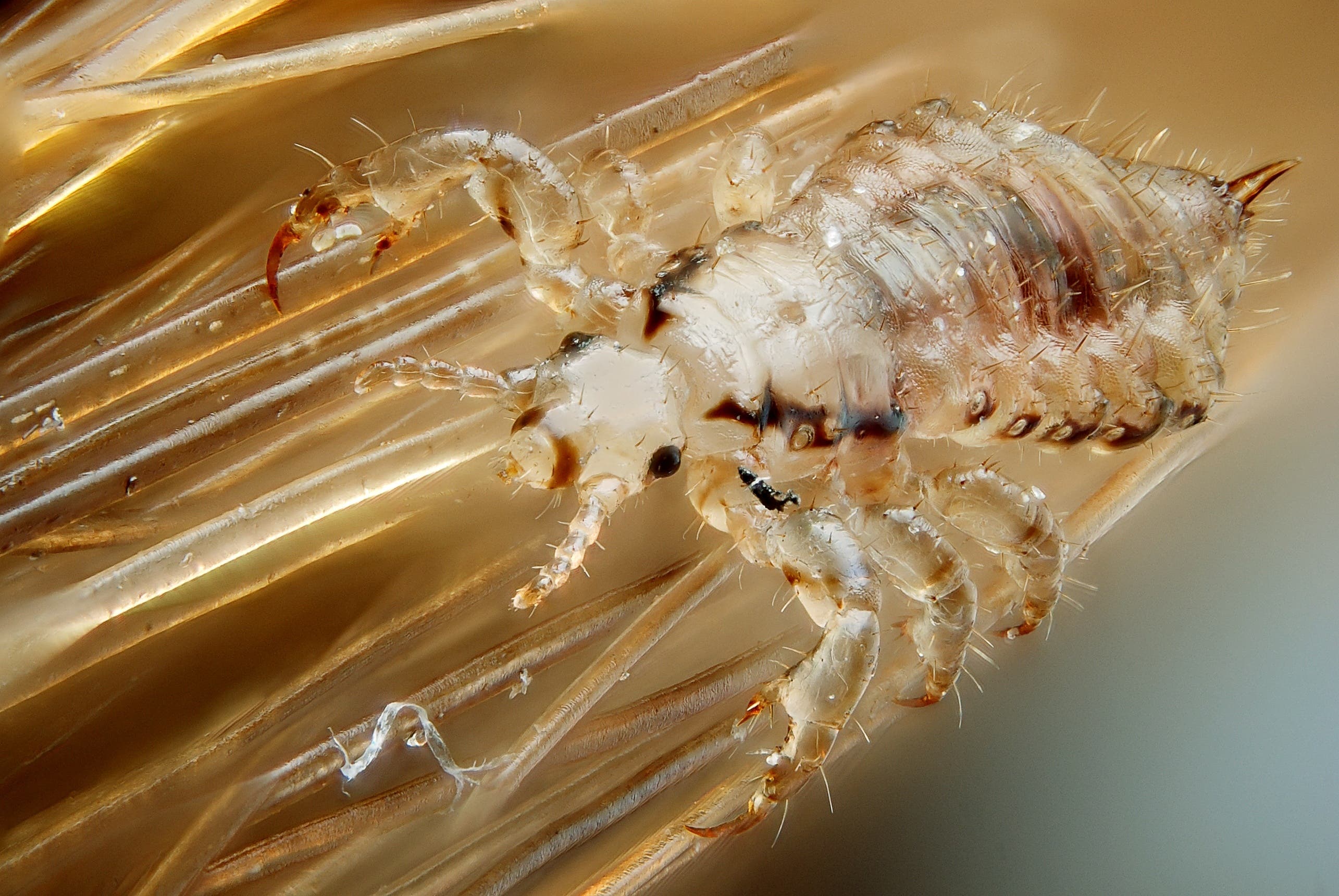
That also means there’s a chance for head lice to come out, too.
The website KidsHealth.org notes that the wingless, parasitic insect that lives among human hairs and feeds on tiny amounts of blood drawn from the scalp is not dangerous, but is contagious and very annoying, as well as being a very common problem, especially for children.
Find out what's happening in Manchesterfor free with the latest updates from Patch.
“They don’t spread disease, although their bites can make a child’s scalp itchy and irritated, and scratching can lead to infection,” the site notes.
How do you avoid your child getting them?
Find out what's happening in Manchesterfor free with the latest updates from Patch.
Head lice cannot fly or jump. They spread mainly through head-to-head contact, but sharing clothing, bed linens, combs, brushes, and hats spread them. Children are most prone to catching lice because they tend to have close physical contact with each other and share personal items.
How do you know if your child has them?
You may be able to see the lice or nits by parting your child’s hair into small sections and checking for lice and nits with a fine-tooth comb on the scalp and behind the ears. A magnifying glass may help.
What should you do if you find them?
Begin treating them as soon as possible because they spread easily.
Over-the-counter medicated shampoos can be effective but it is critical to follow the directions exactly because of risks associated with them and because not doing so can make it more difficult to get rid of the lice. You may have to repeat the treatment in a week to 10 days to kill nits that hatch after the first treatment. Speak to your child’s doctor if the initial treatments don’t seem to be effective against the lice; the doctor may recommend oral medications or another course of treatment.
Notify your child’s school nurse or the director of the daycare center. They should be able to tell you if other children have been treated for head lice recently. Also, most schools require children with head lice to be kept home until at least one topical treatment for the lice has been completed.
In addition:
- Wash all bed linens and clothing that’s been recently worn by anyone in your home who’s infested in very hot water (130° F), then put them in the hot cycle of the dryer for at least 20 minutes.
- Dry-clean anything that can’t be washed (like stuffed animals). Or put them in airtight bags for at least 3 days.
- Vacuum carpets and any upholstered furniture (in your home or car), then throw away the vacuum cleaner bag.
- Soak hair-care items like combs, barrettes, hair ties or bands, headbands, and brushes in rubbing alcohol or medicated shampoo for 1 hour. You also can wash them in hot water or just throw them away.
Get more local news delivered straight to your inbox. Sign up for free Patch newsletters and alerts.