Schools
Rising Fuel Costs a Concern as Manchester School Board Crafts Budget
School principals, administrators offer presentations on spending priorities, concerns

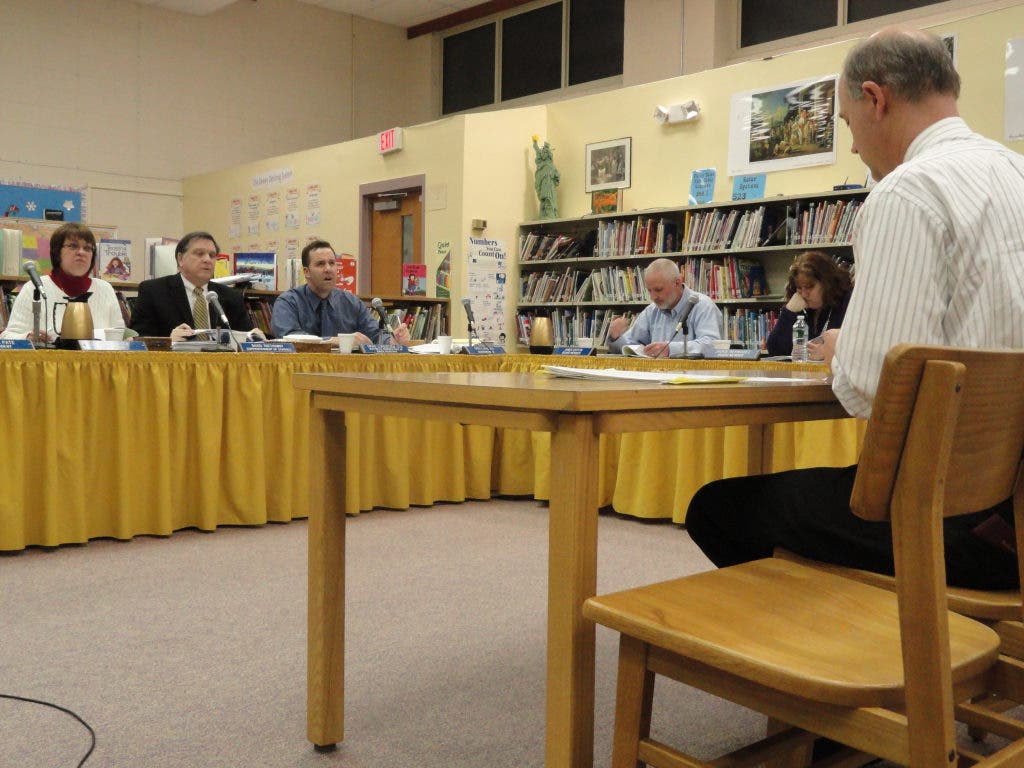
While most principals and department supervisors said during presentations to the Manchester Board of Education last week that their budgets would remain relatively stable next school year, increasing fuel costs could strain the spending plan.
The two days of presentations were held on Feb. 8 and 9 as part of the board's efforts to keep the public informed as it crafts the 2011-12 budget.
"We all know that there's a 2 percent cap out there, which does not provide for many exceptions," Superintendent David Trethaway said, referring to the state Legislature's reduction of last year's 4 percent spending increase cap to 2 percent this year.
Find out what's happening in Manchesterfor free with the latest updates from Patch.
"For example, if fuel goes up, which we fear it might go up …. there's no allowance for that, so transportation costs we do predict will be going up," he said. "We have a 2 percent cap and your gas could go up as high as $3 or $4 per gallon. It's really out of our control.”
Transportation supervisor Val Varga said that his "biggest fear as we move into 2012 is the price of fuel. It's climbing and climbing out of control."
Find out what's happening in Manchesterfor free with the latest updates from Patch.
Varga said that his original budget numbers had fuel priced at $2 per gallon, but that must be modified to account for rising costs."Now, it's up to $3" per gallon, he said.
The district uses 4,000 gallons of fuel each week transporting 3,400 students to and from school, Varga said. He suggested making class trips closer to save on fuel, though he noted that not much can be done about athletic trips.
“We have to try to live within that 2 percent cap, but the people who supply us with things — tires, fuel, insurance — they don't care,” he said.
The transportation department also faces the replacement of seven aging buses at the end of the 2013 school year. Buses can be used for 12 years, with an additional six-month usage grace period, before requiring replacement, Varga said.
"I don't know with the way the budget's going if that's possible," he said.
Varga's presentation came amid others from principals and supervisors as the district prepares its budget for next year.
"This process, so far as we always say, starts in October with the principals and the supervisors and administrators and staff providing input," Trethaway said. "The principals pretty much identify what they feel is their biggest needs, what we want to try to look at, try to maintain, and obviously the emphasis is on staff and programs and what's the best for the education for our students."
School districts will discover on Feb. 22 how much aid the state government will distribute. The budget is then due to the county on March 4, said Business Administrator Craig Lorentzen.
"We're not counting on any more aid," Trethaway said. "We're trying to be optimistic and hope that we get the same aid."
Trethaway has said that less than 10 percent of the Manchester schools' budget revenues comes from state aid.
Thomas Baxter, principal of Manchester Middle School, relayed a message to the board members that was echoed by other administrators — they realize times are tough and are willing to work within limited means.
Baxter said that middle school computers are all seven years old and may need replacing soon. "They're all dying a very quick death. The labs are used constantly, every day, and after school," he said, adding that new systems are not budgeted for next year.
Lorentzen said that the district is "looking to bring new computers into the district next several years." He said that new computers may be leased rather than purchased to prevent having to replace a large number of aging machines at the same time.
Trethaway noted that there are advantages and disadvantages to purchasing computers in bulk. "Seven years ago we bought a lot of computers. We got a good deal on those computers, and it was a nice influx of technology into the school system," he said. "Unfortunately, when you buy them all at once, they all come due at once.”
The principals of Whiting and Ridgeway elementary schools addressed the lack of music in the classroom. “I think all of us would love to have the full music program back,” Stevens said.
A before-school music program was founded by vocal instructor Tom Scharibone after budget cuts forced the cancellation of in-school band.
"It's not what we had, but it's still something to allow [students] to appreciate music, to fill that void. And certainly the teachers have done a fine job of supplementing,” said Ridgeway Principal Diane Pedroza.
The malfunctioning, yet usable, intercom system at Ridgeway was also addressed. “It needs to be replaced, but it's an expensive item,” Lorentzen said.
“It's not an emergency. There are always ways to communicate with the office,” Pedroza said.
Manchester Elementary School Principal Frances Scudese said that class sizes are growing, especially in third and fourth grades. Trethaway said that class sizes are something that require monitoring and that students “may have to go to another school” if growth continues.
In the high school, Principal Alexander George said that overall enrollment is projected to drop from about 1160 students to 1140 next year. George said that no new staff is needed and new courses will be added.
Get more local news delivered straight to your inbox. Sign up for free Patch newsletters and alerts.