Crime & Safety
Wildfire Season Dangers: What NJ Residents Can Do To Reduce Risk
We love living near forests in the Garden State but there are dangers, especially during wildfire season. Here's how to reduce the risks.


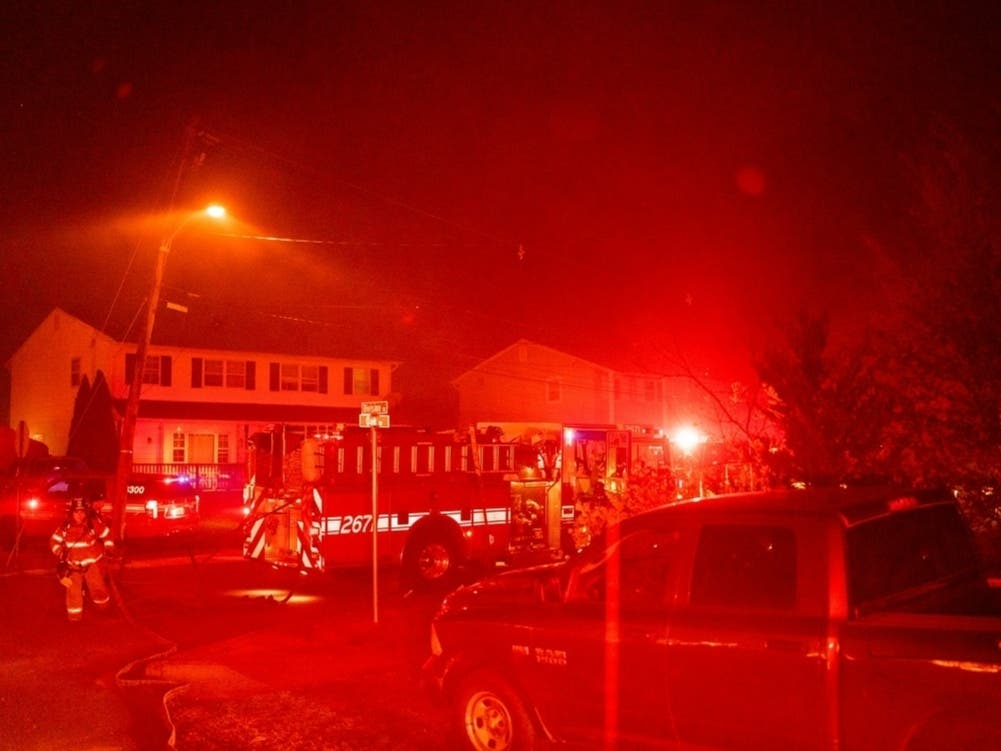
NEW JERSEY — As firefighters worked to contain the 3,859-acre fire in Manchester on April 13, the strong winds carried the smoke and its odor for miles.
Smoke wasn't the only thing blowing in the wind, however. Embers from burning trees were landing in yards of homes in Leisure Knoll, one of the numerous age-restricted communities in Manchester.
Closer to the fire, residents were being evacuated from homes in its path while firefighters worked to contain it and keep it from reaching property. Volunteer firefighters from local companies stood by, hosing down embers that landed, threatening evacuated homes.
Find out what's happening in Manchesterfor free with the latest updates from Patch.
One of the draws of living in the Garden State is the peace and fresh air of its forests. But living so close to the Pine Barrens in the south or the forests of the Highlands in the north poses risks, particularly during wildfire season.
It has been a busy wildfire season in New Jersey so far, with 517 wildfires consuming 7,608 acres of forest as of April 17, said John Cecil, assistant commissioner for State Parks, Forests and Historic Sites under the state Department of Environmental Protection. That compares with 327 fires and 471 acres burned from Jan. 1-April 17, 2022, and 373 fires and 508 acres burned for the same time in 2021.
Find out what's happening in Manchesterfor free with the latest updates from Patch.
In 2022 there were 1,175 wildfires for the year, and they burned 12,664 acres, including the 11,129.5-acre Mullica River Wildfire in Wharton State Forest, the largest wildfire in New Jersey since 2007. there were 946 wildfires and 1,972.25 acres burned in 2021, the DEP said.
The New Jersey Forest Fire Service works to reduce fire dangers across the state, using prescribed burns to reduce or eliminate dead leaves and pine needles and undergrowth — the items that fuel a fire — or other methods to curtail risks to property.
While the risk levels were decreased on Thursday, thanks to a decrease in the wind speed, wildfire season is far from over in New Jersey. It has been lasting until June in recent years, said Greg McLaughlin, chief of the forest fire service.
There are things communities and individual homeowners and property owners can do to help reduce the risks of a wildfire, both preventing one entirely and avoiding one that causes catastrophic damage beyond the woods.
"How are we caring for vegetation around our house? How do we deal with ash from our fireplaces?" McLaughlin said. Handling those correctly can make the difference in whether a fire starts and in how it spreads.
The state Forest Fire Service offers these ways to help reduce wildfire risk:
- Don’t discard cigarettes, matches or smoking materials on the ground.
- Don’t leave fires unattended. Douse them completely, until cold to the touch.
- Keep matches and lighters away from children. Teach youth about fire safety. Children can learn about wildfire safety with Smokey Bear’s new mobile game “Smokey’s Scouts.”
- Use wood stoves and fireplaces carefully, since both can emit embers that spark fires. Fully douse ashes with water before disposal.
- Contact your nearest Forest Fire Service office for information on how to obtain a campfire permit, if you are planning a camping trip.
Around your home, create a defensible space. That means:
- Ensure fire trucks can access driveways.
- Clean roofs and gutters of dead leaves, debris and pine needles that could catch embers
- Replace or repair any loose or missing shingles or roof tiles to prevent ember penetration
- Reduce embers that could pass through vents in the eaves by installing 1/8-inch metal mesh screening
- Clean debris from exterior attic vents and install 1/8-inch metal mesh screening to reduce embers
- Repair or replace damaged or loose window screens and any broken windows.
- Screen or box-in areas below patios and decks with wire mesh to prevent debris and combustible materials from accumulating
- Move any flammable material away from wall exteriors. Trade wood mulch for stone, remove leaves and needles, firewood piles, remove plants that can burn easily, such as ones in the pine family.
- Remove anything stored underneath decks or porches.
Residents also can encourage community leaders to get involved with Firewise Communities/USA. The organization provides information and resources to towns, municipalities, developments and communities that need to adopt long-term, proactive solutions to protect homes and natural resources from the risk of wildfires.
McLaughlin said there are small grants available to assist towns with putting wildfire prevention measures in place.
"Agencies and organizations responsible for wildland fire management agree: we can reduce the loss of lives, property, and damage to natural resources from wildfire, by building and maintaining communities that are compatible with their natural surroundings," the DEP says.
Get more local news delivered straight to your inbox. Sign up for free Patch newsletters and alerts.