Community Corner
Red Cross Checklist for Irene
Officials urge residents to be prepared for whatever Hurricane Irene throws our way.

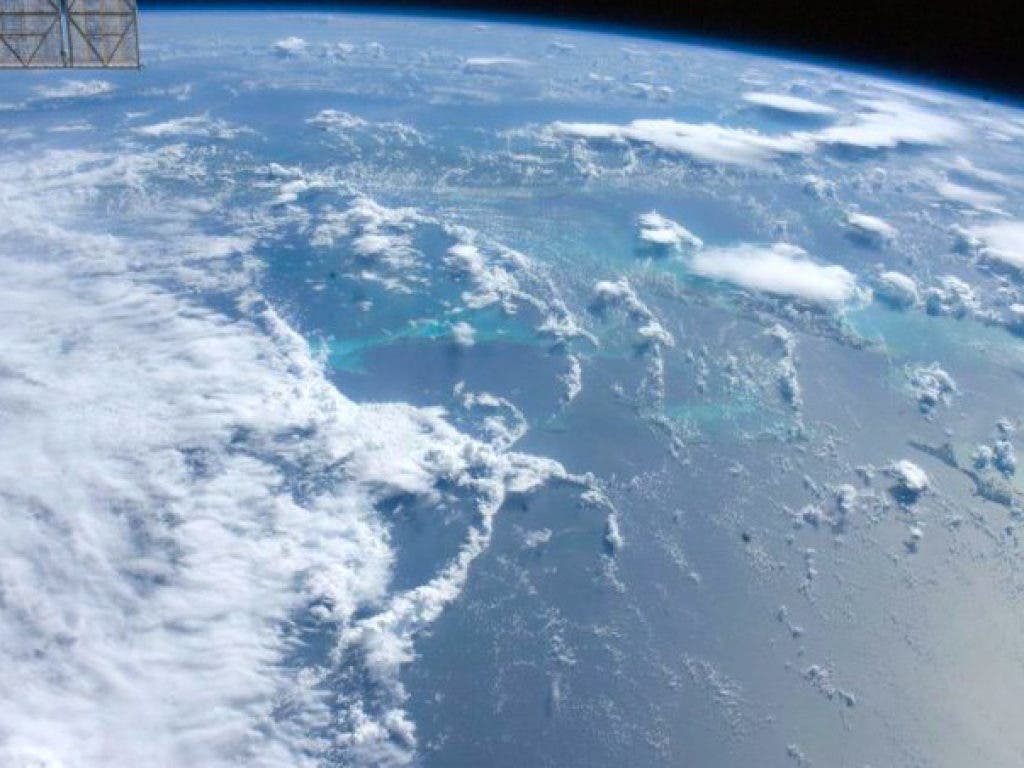
“People have a difficult time taking weather seriously when it’s a bright sunny day. When it’s 80 degrees and you tell them there’s a hurricane coming, they tend think it will be nothing,” said Charlie Maltbie of the American Red Cross Disaster Preparedness team for Millburn-Short Hills, Summit and Morris. “You have to be able to take yourself out of where you are and think ahead. This is going to impact us one way or another, whatever that impact is. It can be very devastating.”
People around Essex County do seem to be taking the threat posed by Hurricane Irene very seriously, however, as many locals have reported that flashlights, batteries and bottled water are scarce on the shelves of area stores.
The are heeding the warnings of agencies like the National Weather Service which issued the following statement for our area:
Find out what's happening in Maplewoodfor free with the latest updates from Patch.
"Impacts from Hurricane Irene are likely from Saturday night into Sunday night. The exact timing is still uncertain...but heavy rain causing flooding and strong winds will likely begin as early as Saturday night,” according the weather service release.
Earlier Thursday, for New Jersey, mobilizing the National Guard.
Find out what's happening in Maplewoodfor free with the latest updates from Patch.
"The current tracking for the storm is not positive for our state," said Christie during a Thursday afternoon press conference at State Police Regional Operations Intelligence Center in Ewing. He said the storm "wobbled westward."
Essex County Executive Joseph DiVincenzo Jr. , "This is all minute-by-minute, so we're carefully monitoring the situation and acting appropriately."
In Maplewood, Township Administrator Joseph Manning said that the town's emergency planning committee would meet Friday morning to finalize the planning and preparation for the projected weather event. Fire, public works and police departments will lead the efforts. Manning added, "Those and other department heads are at work making sure equipment is ready to respond if needed."
Maltbie said the Red Cross has already begun mobilizing its volunteers and activated its emergency operations plan.
“We are monitoring the storm and assessing what the impact and what the community needs may be,” Maltbie said.
“Our standard advice to residents in conjunction with FEMA is that it’s critical to have a plan, get a kit together,” Maltbie said. “You don’t know what the emergency will be. It could be a power outage and you have to be prepared to spend an extended period of time without power. Or it could be flooding or know what you’ll need if you have to evacuated. I urge people to prepare for anything. Be ready in case you need to relocate.”
Here are some ways to prepare:
Supplies
The Red Cross recommends having the following items on hand:
- Water—one gallon per person, per day (3-day supply for evacuation, 2-week supply for home)
- Food—nonperishable, easy to prepare items; can opener (3-day supply for evacuation, 2-week supply for home)
- Flashlight
- Battery powered or hand crank radio (NOAA Weather Radio, if possible)
- Extra batteries
- First aid kit
- Medications (7-day supply) and medical items
- Sanitation and personal hygiene items
- Copies of personal documents (medication list and pertinent medical information, proof of address, deed/lease to home, passports, birth certificates, insurance policies)
- Cell phones with chargers
- Family and emergency contact information
- Extra cash
- Emergency blanket
Communications and Transportation
Cellular phone access was extremely limited in the hours following Tuesday’s earthquake, but many people were still able to send email or text messages. People with land-based phones lines had more luck getting through to people.
Police and Emergency Management reminded people yesterday to only call 9-1-1 for immediate medical and other emergencies.
In some cases, it may be safest to just stay where you are rather than venture onto the crowded roadways and trains. Emergency and government officials frequently use the news media to let the public know the best course of action, so try to look for news reports before making a decision.
Other Red Cross suggestions include:
- Plan routes to emergency shelters and register family members with special needs as required.
- Make plans for pets.
- Bring items inside that can be picked up by the wind.
- Turn the refrigerator and freezer to the coldest settings and keep them closed as much as possible so food will last longer if the power goes out.
- Turn off any propane tanks and unplug small appliances.
- Fill their vehicle’s gas tank.
- Close windows, doors and hurricane shutters. If hurricane shutters aren’t an option, close and board up windows and doors with plywood.
And if the power does go out (and you can still power up the 'puter), check out these guidelines on the Village of South Orange's website for Keeping Food Safe During an Emergency.
Get more local news delivered straight to your inbox. Sign up for free Patch newsletters and alerts.