Schools
Judge Will Issue Decision 'Shortly' On Marlboro's Transgender Policy
Tuesday morning was the first time the state publicly argued its case against Middletown, Marlboro and Manalapan-Englishtown districts:


MARLBORO, NJ — In Monmouth County court Tuesday morning, Superior Court Judge David Bauman heard arguments from the state of New Jersey against Middletown's and Marlboro's transgender student policy, and said he would release his decision on the issue "shortly."
"Shortly means he will make a decision today, tomorrow, this week or this month," Bruce Padula, the lawyer in defense of Middletown and Manalapan-Englishtown, said after the judge dismissed everyone from his chambers. "We hope it's before the beginning of the school year."
"We were grateful for the opportunity to present our arguments to the Superior Court, and we look forward to the court’s decision," said a spokesperson for New Jersey Attorney General Matt Platkin.
Find out what's happening in Marlboro-Coltsneckfor free with the latest updates from Patch.
Middletown, Marlboro and Manalapan-Englishtown school boards in court Tuesday
Tuesday morning was the first time the state publicly argued its case against the Middletown, Marlboro and Manalapan-Englishtown school districts.
Find out what's happening in Marlboro-Coltsneckfor free with the latest updates from Patch.
All three Monmouth County districts were sued by the state of New Jersey this June for passing versions of policies requiring teachers inform parents if a student is seeking a transgender accommodation, such as using a new pronoun or bathroom.
Attorney General Platkin argues the districts are putting transgender and LGBTQIA+ students at risk of harm from their parents, and violating their civil rights.
The three districts agreed to hold off on implementing their policies during the summer until Judge Bauman issues his decision.
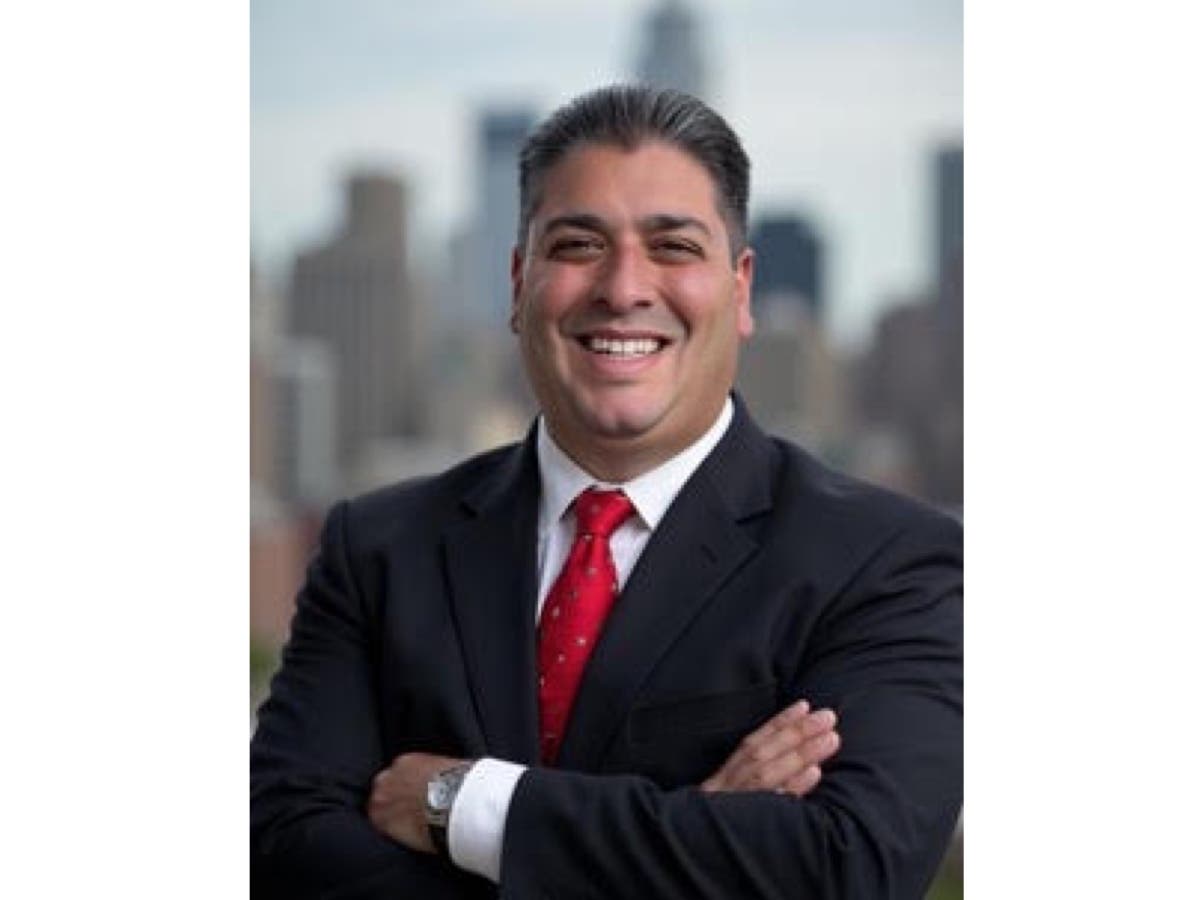
Lawyer Marc Zitomer defended Marlboro in court Tuesday.
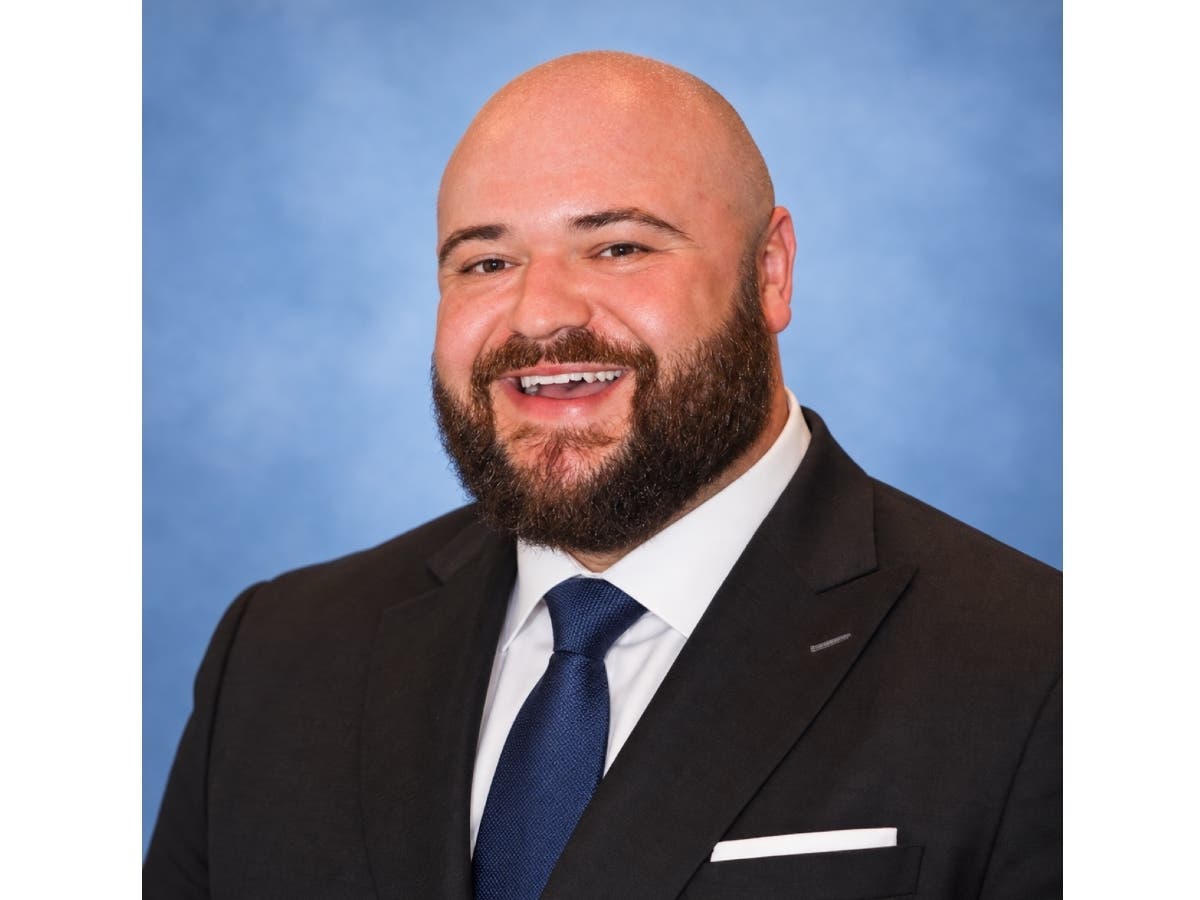
The state's case was argued by James Michael, deputy NJ Attorney General for the civil rights division. The state cited data that 40 percent of transgender youth are not supported by their families, and 1 in 10 transgender children or teens are met with physical violence from their parents.
"Once the student is 'outed' to their parents, the harm is done," Michael argued before the judge. "When a transgender person chooses to come out to their parents is a pivotal time. It should be on their terms, their choosing. Not when an employee of the school is forced to call their parents."
But both Middletown and Marlboro's policies state that if a student fears physical violence or harm at home, their parents will not be notified.
"There will not be disclosure if a student's welfare is at risk," said Zitomer.
"Those safeguards are nebulous," responded Deputy AG Michael.
Judge Bauman grills both sides
In the court hearing, which lasted about an hour and a half, Bauman appeared to take his time considering the topic, and he questioned lawyers from both sides.
"What if a (transgender) student is five years old?" the judge asked the Attorney General's lawyers. "I think we can all agree there is a constitutional right for parents to oversee the upbringing of their children. What do you think?"
"That issue will not come up as much with a 5-year-old," responded Michael. "But, we believe even then, that policy violates the law."
"Maybe a trans student feels school is a safe haven for them, a safe harbor. What do you say to that?" the judge asked Middletown's and Marlboro's lawyers.
"I would say to that, we don't believe in keeping secrets from parents," replied Zitomer.
The main issue is whether the school districts are violating the civil rights of transgender students as a protected class, defined by race, religion, nationality, sex/gender, sexual preference or gender identity, among other characteristics.
Marlboro and Middletown's lawyers argued the Attorney General is too broadly interpreting New Jersey's Law Against Discrimination.
Schools inform parents of many things about students, Zitomer said in court.
"If you update parents on a student's ESL progress, you could argue that Hispanic students are being unfairly targeted," he said. "Schools update parents on academic progress. You could argue that disparately impacts special-needs students."
"The state ignores the realities of running a public school district in New Jersey," said Padula before the judge. "How can we pick and choose when parental notification is necessary and when it isn't?"
On Tuesday, Bauman was not tasked with deciding whether the three school districts are indeed breaking the law. Bauman only had to decide to keep the injunctions in place until the state's lawsuits will be heard in an Administrative Law hearing, which could be held in December or January 2024.
But Marlboro's lawyer Zitomer openly scoffed in court at that idea.
"My firm represents over 60 school districts in this state. The state is seeking to enjoin (prevent) us for years — years. It prevents parents from working with school officials on these sensitive, complicated issues."
"If the state has its way, there will be no parental involvement," he said.
The AG spokesman said after Tuesday's hearing:
"The state has always respected the rights of parents and agrees that parents should be involved in important decisions regarding their children — and any characterizations to the contrary are flatly incorrect."
"Recently, some school districts enacted new policies that treat whole classes of students differently solely based on their gender identity or expression ... These new policies violate New Jersey’s Law Against Discrimination, one of the strongest civil rights laws in the nation. All our lawsuits seek to do is reinstate the same policies these districts found acceptable with little protest for years."
Get more local news delivered straight to your inbox. Sign up for free Patch newsletters and alerts.