Neighbor News
All Behavior is Communication: What Are The Children Trying to Tell Us?
What are the children unable to tell us with words? When they cannot tell us, their behavior changes.

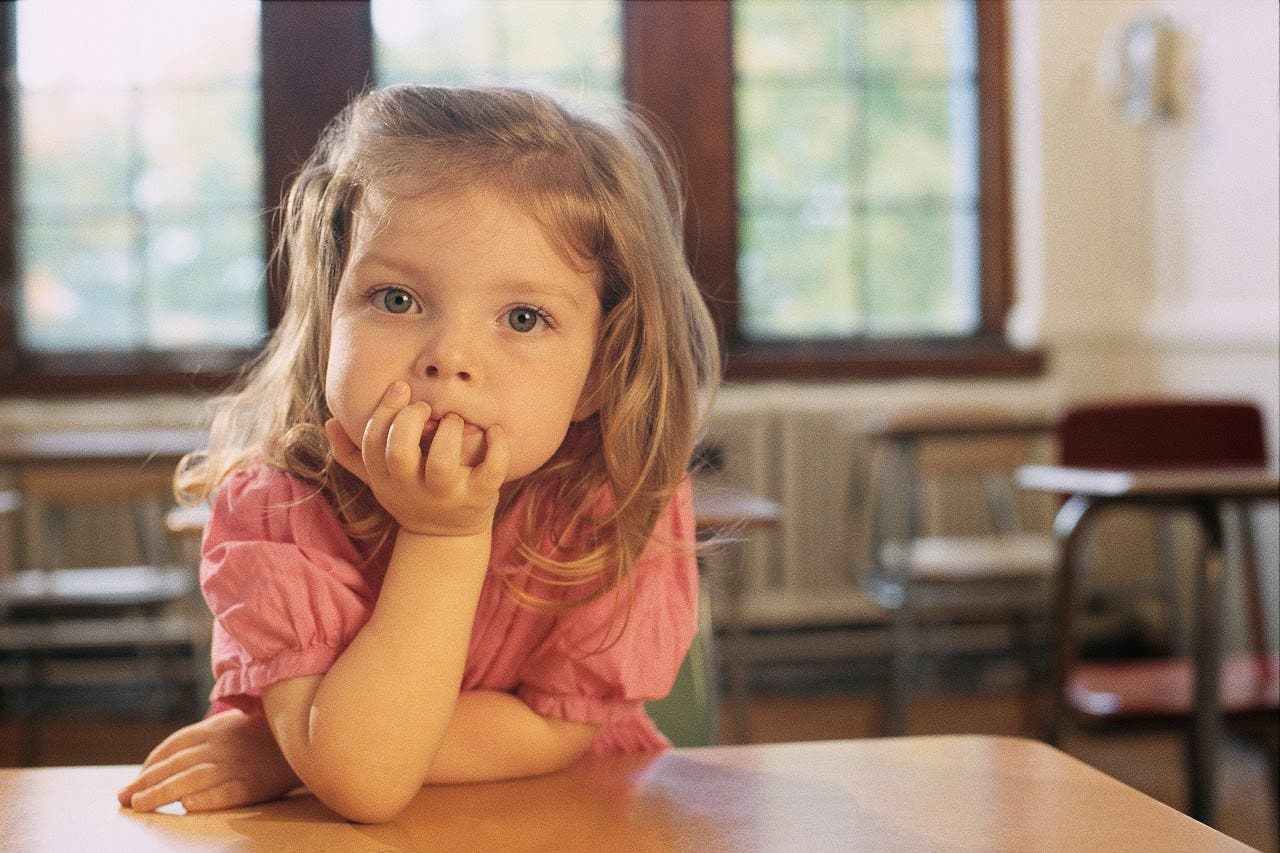
All behavior is communication. Behavior is about the children and the impact of the world on them. It is about their perceptions, frustrations, joys, confidence and lack thereof. When we spend time with the same children day after day, we can tell when something is amiss in their lives. That is as true of toddlers through high schoolers. It is even true of adults in our lives. Aren’t there times when you just know that one of your peers is troubled? How many times have you asked, “Are you okay?” of another adult because you can simply tell that something is wrong. That adult may choose not to tell you if something is wrong. Children simply cannot. They don’t have the words, confidence or insight about themselves yet.
During my years working in early childhood education and now as a consultant who visits many schools, I have heard many truths from children. I have had children tell me, “My mommy and daddy were yelling,” “My sister has a sickness” and “My grandma died.” What they do not yet have the capacity to say is, “…and that makes me feel..” They just feel it and they react.
The impetus for changes in behavior doesn’t need to be dramatic. Think about the events that impact your mood. If you get up in the morning, are disappointed to find that the bagel you pictured eating isn’t in the kitchen and then you can’t find your keys, your day is already not off to a great start. There have been many days when by 9:00 am, I’ve already thought to myself, “Today isn’t going to be fantastic.” Likewise, there are glorious days when you just wake up feeling good, step out into beautiful weather and feel that all will be well. Children are the same. They can wake up and have small events impact their mood. Their problems are important to them. Maybe their parents couldn’t find the shoes they wanted to wear or they didn’t like what was offered for breakfast. They aren’t going to walk into a classroom or up to a parent and say, “Watch out. I’m in a lousy mood already.” They are simply going to be that.
Find out what's happening in Matawan-Aberdeenfor free with the latest updates from Patch.
When a child is hitting, pushing or kicking people, the child is upset. We need to remind the child that hurting people isn’t kind and isn’t allowed but we need to also understand that the child is trying to say something for which there aren’t words yet. There may be vocabulary but there isn’t the ability to use the vocabulary words for that level of self-expression. There isn’t the ability to introspective about impulses and urges. There is raw emotion that needs an outlet.
The same is true of tween and teens. I have worked with tweens & teens and have seen the ranges of sullen, angry or disruptive behavior. They are trying to tell us something, too. Often as children approach the teen years and travel through them, they are feeling insecure, self-conscious and keenly aware of the reaction of the world to them. Tweens and teens with very critical adults in their lives become angry and act upon that with their peers, parents or teachers. Those who feel “less than” their peers try to mask insecurities a variety of ways that can work for or against them. They often use humor to mask insecurity but they don’t understand the boundaries for humor so they overstep the lines of appropriateness. They do need to learn where the boundaries are in their lives. While disruptive and disrespectful behavior needs to be addressed with appropriate consequences, they also need adults to try to help them identify the root of their behavior. We are so fortunate to live in a time when many of our children have a “village” of adults and they can be encouraged to confide in one or two. We are also lucky to live in an era that is increasingly accepting of the need for mental health professionals. Many young people have mentioned to me that they have a therapist – that mention is a triumph for our society. The young people are not worried about a stigma and their important adults were willing to seek the help that was needed.
Find out what's happening in Matawan-Aberdeenfor free with the latest updates from Patch.
No one’s behavior – not any child or adult – is about anyone other than themselves. When they behave inappropriately, they are in some way struggling. Though we cannot always get to the root of the problem, we can remember that our own behavior communicates too and sometimes we all need a little empathy and compassion.
___________________________________________
For more articles by Cynthia Terebush for parents & educators, go to her blog.
For information about in-person education & parent presentations or consultation, go to Helping Kids & Families Achieve with Cynthia Terebush
For online professional development for early childhood educators, go to Helping Preschools Achieve.