Health & Fitness
American Women and Contraception
Although women haven't been the most outspoken on these subjects, I was curious to find out what U.S. women are actually doing. Here is what I found out from the Guttmacher Institute.
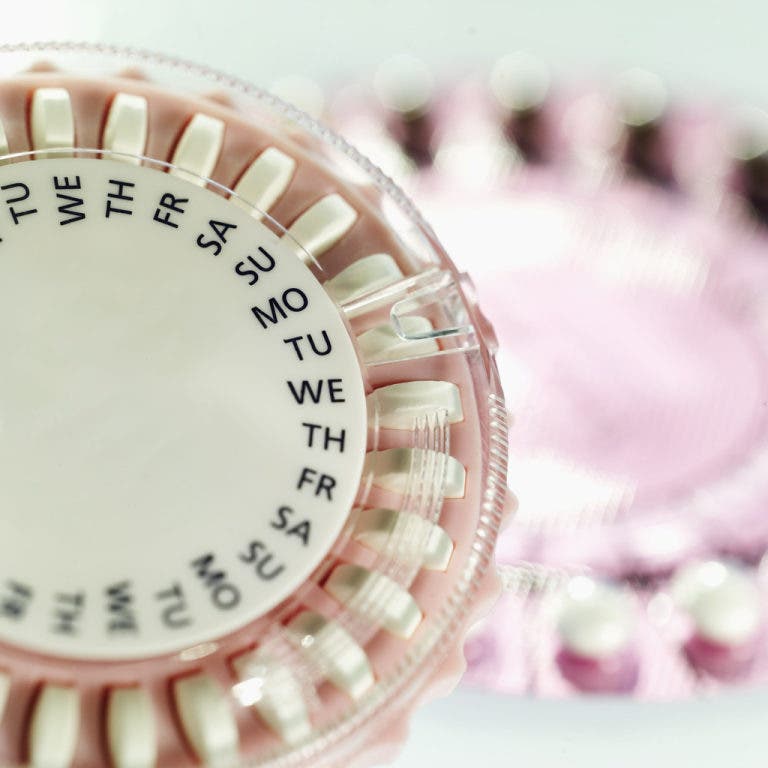
It’s private and personal…our religious beliefs, our politics, and birth control. These days it’s front page news. Although women haven’t been the most outspoken on these subjects, I was curious to find out what U.S. women are actually doing. Here is what I found out from the Guttmacher Institute:
Facts on Contraceptive Use in the United States
- There are approximately 62 million U.S. women in their childbearing years (15–44).
- Seven in 10 women of reproductive age (43 million women) are sexually active and do not want to become pregnant.
- The typical U.S. woman wants only two children. To achieve this goal, she must use contraceptives for roughly three decades.
WHO USES CONTRACEPTIVES?
Find out what's happening in Matawan-Aberdeenfor free with the latest updates from Patch.
- Virtually all women (more than 99%) aged 15–44 who have ever had sexual intercourse have used at least one contraceptive method.
- Overall, 62% of the 62 million women aged 15–44 are currently using a method.
- Among the 43 million fertile, sexually active women who do not want to become pregnant, 89% are practicing contraception.
For more information see the full report at: http://www.guttmacher.org/pubs/fb_contr_use.html
Contraceptive Use is the Norm Among Religious Women
Find out what's happening in Matawan-Aberdeenfor free with the latest updates from Patch.
Contraceptive use by Catholics and Evangelicals—including those who attend religious services most frequently—is the norm
“In real-life America, contraceptive use and strong religious beliefs are highly compatible,” says Rachel K. Jones, the report’s lead author. “Most sexually active women who do not want to become pregnant practice contraception and most use highly effective methods like sterilization, the pill, or the IUD. This is true for Evangelicals and Mainline Protestants, and it is true for Catholics, despite the Catholic hierarchy’s strenuous opposition to contraception.”
Sound public policy making should recognize this and support women by making contraceptives easier and more affordable to use. Health policy should not serve as a proxy for religious dogma.”
The report’s key findings include the following points:
- Among all women who have had sex, 99% have ever used a contraceptive method other than natural family planning. This figure is virtually the same among Catholic women (98%).
- Among sexually active women of all denominations who do not want to become pregnant, 69% are using a highly effective method (i.e., sterilization, the pill or another hormonal method, or the IUD).
- Some 68% of Catholic women use a highly effective method, compared with 73% of Mainline Protestants and 74% of Evangelicals.
- Only 2% of Catholic women rely on natural family planning; this is true even among Catholic women who attend church once a month or more.
- More than four in 10 Evangelicals rely on male or female sterilization, a figure that is higher than among the other religious groups.
Click here for Countering Conventional Wisdom: Religion and Contraceptive Use, by Rachel K. Jones and Joerg Dreweke.
About the Guttmacher Institute
Four decades after its creation, the Guttmacher Institute continues to advance sexual and reproductive health and rights through an interrelated program of research, policy analysis and public education designed to generate new ideas, encourage enlightened public debate and promote sound policy and program development. The Institute’s overarching goal is to ensure the highest standard of sexual and reproductive health for all people worldwide.
The Institute produces a wide range of resources on topics pertaining to sexual and reproductive health, including Perspectives on Sexual and Reproductive Health,International Perspectives on Sexual and Reproductive Health and the Guttmacher Policy Review. In 2009, Guttmacher was designated an official Collaborating Center for Reproductive Health by the World Health Organization and its regional office, the Pan American Health Organization.