Health & Fitness
Our Communication with Children Can Lift Them Up...Or Not
What are you teaching with your tone, demeanor and use of vocabulary?

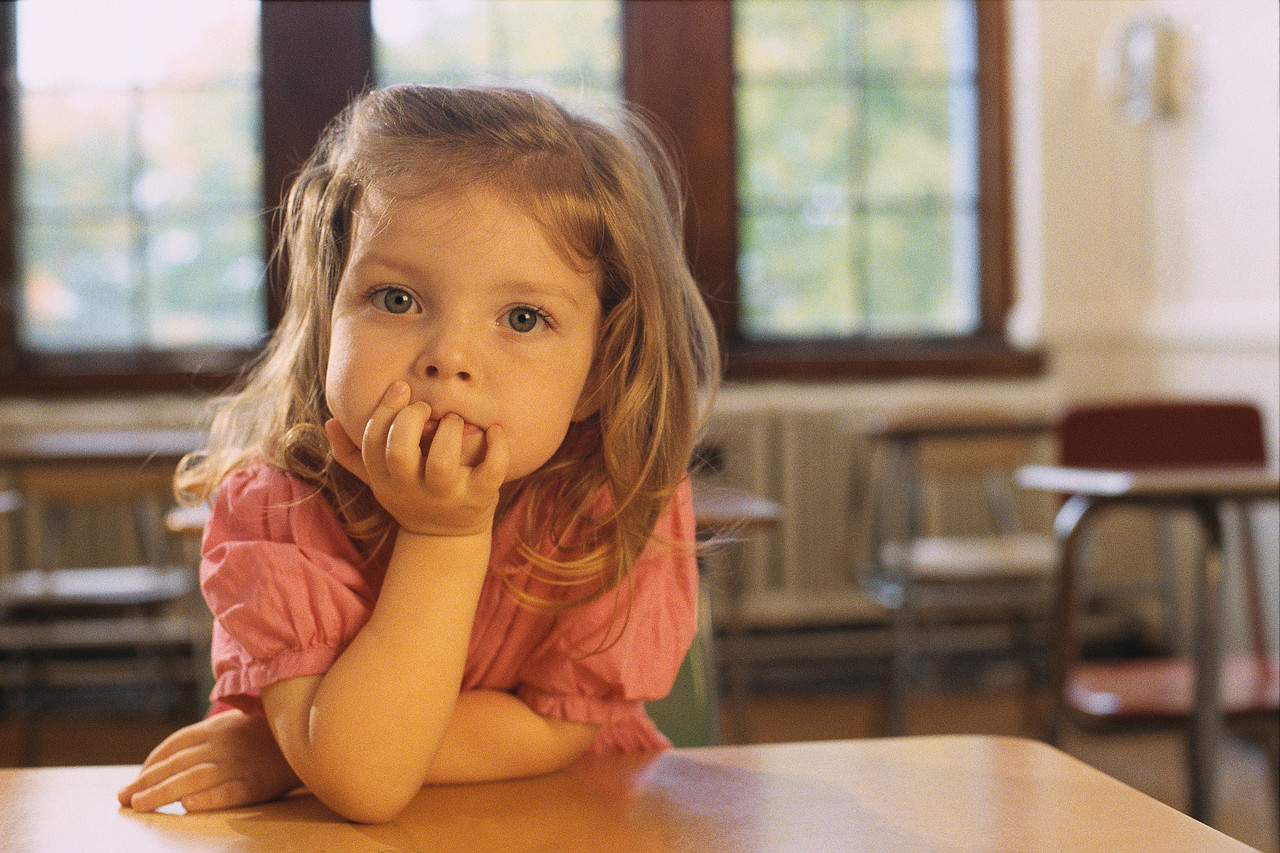
Children are natural people watchers. They observe us all the time and we are their examples of how to walk through the world. They watch us and integrate lessons about how people should treat each other, how to be productive members of society and how to communicate with those around them. Adults are so careful to be examples of good manners, morality and ethics that it always surprises me when they don’t see that their communication with children sets a tone and teaches them.
Communication skills are an essential part of success; yet, so many adults fail to see that changing our demeanor to match that of the children does a disservice to them. The consistent use of silly voices, overly simple vocabulary and a goofy demeanor are really an insult to the intelligence of children. They are capable of so much more. It’s fun to play with our children but that sort of communication shouldn’t be used all the time. Playing is one thing. Daily communication is another. Teaching is yet a third. When talking with children, remember that:
- Children learn non-verbal communication skills such as appropriate tone of voice and volume of speech from their interactions with adults. There are times when our voices should sound soothing. Other times urgency is more appropriate. Our tone and demeanor should match the current activity. If our tone is always that of baby talk, how do they learn to speak like adults? When I watch people who switch immediately to babyish tones in the presence of their children, I wonder at what magical age that stops. When babies coo, they are trying to imitate our conversations. We should not be imitating theirs. Early learners try so hard to sound grown up. Let’s help them by sounding grown up ourselves.
- Children have an incredible capacity to learn vocabulary so use the big words. Adults work too hard to keep the conversation simple with simple vocabulary. Children would be so much better served if we taught them more ways to express themselves and didn’t limit them to some child’s vocabulary list. The way we describe emotions is one of the primary ways we need to increase their vocabulary. Children have shades of emotion just like we do. They aren’t only mad, sad, scared and happy. They are furious, frustrated, joyful, ecstatic. They can learn to say, “I am frustrated” or “I am thrilled.” They can learn the many shades of blue or red or yellow. They can learn that at the end of a book, it is finished. It has concluded. They can understand that halt and stop are the same but pause is slightly different. Vary your vocabulary to teach them the different degrees of meanings and more ways to express themselves.
- Children take seriously that which we present seriously and they are fascinated when we show wonder in our voice. Our demeanor teaches them appropriate demeanor. Years of teaching young children has taught me how to capture their interest and imagination. I won’t always succeed but I have a better chance if my voice is one of amazement and wonder. If I am amazed, then surely there is something to be interested in. If I am serious, most children take that cue. If I am enthusiastic, I can draw more of them in. As soon as I switch to silly, the point of our discussion begins to get lost. Timing is everything when teaching children. Always remember that it is hard to pull them back from the land of goofiness so don’t go there until you are ready to end your more serious pursuit. Joviality has its place. So does earnestness, sincerity and genuineness.
I’ve never been a fan of Elmo. When people ask why, I explain that Burt, Ernie, Big Bird and The Count lift children up. They speak like we want children to learn to speak. They use more mature vocabulary and an appropriate tone most of the time. Elmo is a toddler. Toddlers cannot learn better communication from each other. Think about it.
Find out what's happening in Matawan-Aberdeenfor free with the latest updates from Patch.
Ask your questions about parenting & education, read more articles and learn about workshops for parents and early childhood professionals at www.helpingkidsachieve.com.
For information about The Early Learning Center of Temple Shalom or Temple Shalom Religious School, contact Cindy Terebush at eddirector@templeshalomnj.org or call 732-566-2961. Free Fun with My Grown Up for children 30 months and under (and their grown up) begins on October 15. Call to register.