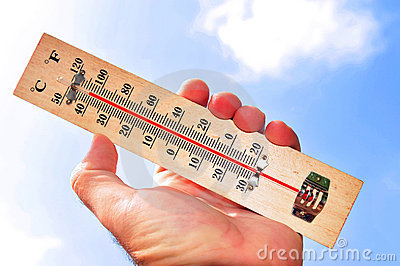
As another heat wave hits the tri-state area, the NJ Poison Experts would like to remind everyone that dangerously high temperatures can make you sick. The potential for someone to develop heat-related illness increases significantly with excessive heat. Often referred to as “heatstroke” or “sunstroke,” heat-related illness occurs when a person’s body temperature rises to a dangerous level. Factors such as underlying medical problems, dehydration and medication usage all play a role in heat-related illness.
“It is important to remember that the elderly, the very young, those with chronic illnesses, and pets are at greatest risk for developing heat-related illnesses,” said Bruce Ruck of the NJ Poison Center. In addition, certain medications increase one’s risk. “By knowing who is at risk and what prevention measures to take, heat-related illness and death can be prevented,” said Ruck. Call the NJ Poison Experts at 1-800-222-1222 if you have any questions regarding heat-related illnesses.
Tips to prevent heat illness:
Find out what's happening in Mendham-Chesterfor free with the latest updates from Patch.
· Air-conditioning is the number one protective factor against heat-related illness and death.
· Drink extra water (fluids) all day and less tea, coffee, cola and alcoholic beverages! Do NOT wait until you feel thirsty to drink – it may be too late!
Find out what's happening in Mendham-Chesterfor free with the latest updates from Patch.
· Reduce or schedule outdoor activity for cooler times of the day, before 10am and after 6pm.
· During outdoor activities, take frequent breaks and drink plenty of water or other fluids, even if you don’t feel thirsty.
· Wear lightweight, light-colored, loose-fitting, open-woven clothes.
· Wear a vented hat in the sun to protect yourself from the sun’s rays. Don’t forget sunscreen!
· If you have a chronic medical problem, ask your doctor about how to deal with the heat.
Medications, which increase the risk of developing heat related illness, include but are not limited to:
· Some antidepressants
· Antihistamines (allergy medications)
· Diuretics (water pills)
· Antipsychotics
If an exposure occurs, it’s good to know help is just a phone call away. If someone is unconscious, not breathing, seizing/convulsing, bleeding profusely, difficult to arouse/wake up, etc. call 911 immediately, otherwise call the NJ Poison Center at 800-222-1222.
While a quick web search may seem like an easy option, it is no substitute for calling the poison center and speaking with medical experts (doctors, nurses, and pharmacists). A mistreated exposure can escalate an easy-in-home treatment into a trip to the hospital. In the event of a poison exposure, every second counts so calling the poison center is the smart thing to do!! You may also chat or text in using our website, www.njpies.org.
The NJ Poison Experts are always here to help with emergencies or questions involving medicines, chemicals, household products, environmental contaminants, plants, or other poisons. Help is available in over 150 languages; 24 hours a day, 7 days a week, every day of the year. Program the Poison Help line (800-222-1222) into your cell phone and post it near your home and office phones too. There are no silly questions and our health professionals are always available to answer a question, quell a fear, provide advice, or intervene to get emergency services on site and prepped to provide the needed protocol in the fastest response time. When in doubt, check it out by calling, texting, or chatting - Prevention is truly the best possible medicine. Follow us on Facebook (www.facebook.com/njpies) and Twitter (@NJPoisonCenter) for breaking news, safety tips, trivia questions, etc. BE POISON SMART! Share poison prevention tips with your family (including children), friends, and coworkers.
Real People. Real Answers.
__________________________________________________________________________________________________
About NJPIES
As New Jersey’s only poison control center, the New Jersey Poison Information & Education System provides information on poison prevention and treatments. Chartered in 1983, NJPIES provides free consultation through telephone hot line services and the Web. Medical professionals such as physicians, registered nurses and pharmacists offer confidential advice regarding poison emergencies and provide information on poison prevention, drugs, food poisoning, animal bites and more. These specialists are available 24 hours a day, seven days a week.
NJPIES coordinates state poison education and research and is designated as the regional poison center by the New Jersey Department of Health and Senior Services and the American Association of Poison Control Centers. It tracks incidences of adverse reactions to food, drugs and vaccines in order to monitor potential public health issues and provide data to the U.S. Food and Drug Administration and the Centers for Disease Control and Prevention. A division of the Department of Preventive Medicine and Community Health of the New Jersey Medical School of Rutgers, The State University of New Jersey. NJPIES has a state-of-the-art center located on the school’s Newark campus.
New Jersey residents seeking immediate information about treating poison emergencies, and those with any drug information questions, should call the toll-free hot line, 800-222-1222, any time. The hearing impaired may call 973-926-8008. For more information, visit www.njpies.org or call 973-972-9280.
About Rutgers
Established in 1766, Rutgers, The State University of New Jersey, is America’s eighth oldest institution of higher learning and one of the nation’s premier public research universities. Serving more than 65,000 students on campuses, centers, institutes and other locations throughout the state, Rutgers is the only public university in New Jersey that is a member of the prestigious Association of American Universities.
Rutgers Biomedical and Health Sciences (RBHS) is the health care education, research, and clinical division of Rutgers University, comprising nine schools and their attendant faculty practices, centers, institutes and clinics; New Jersey’s leading comprehensive cancer care center; and New Jersey's largest behavioral health care network.