Home & Garden
Deer Mating Season In NJ Underway (9 Tips To Avoid A Car Crash)
Deer are involved in thousands of car crashes in New Jersey each year, DEP officials say.


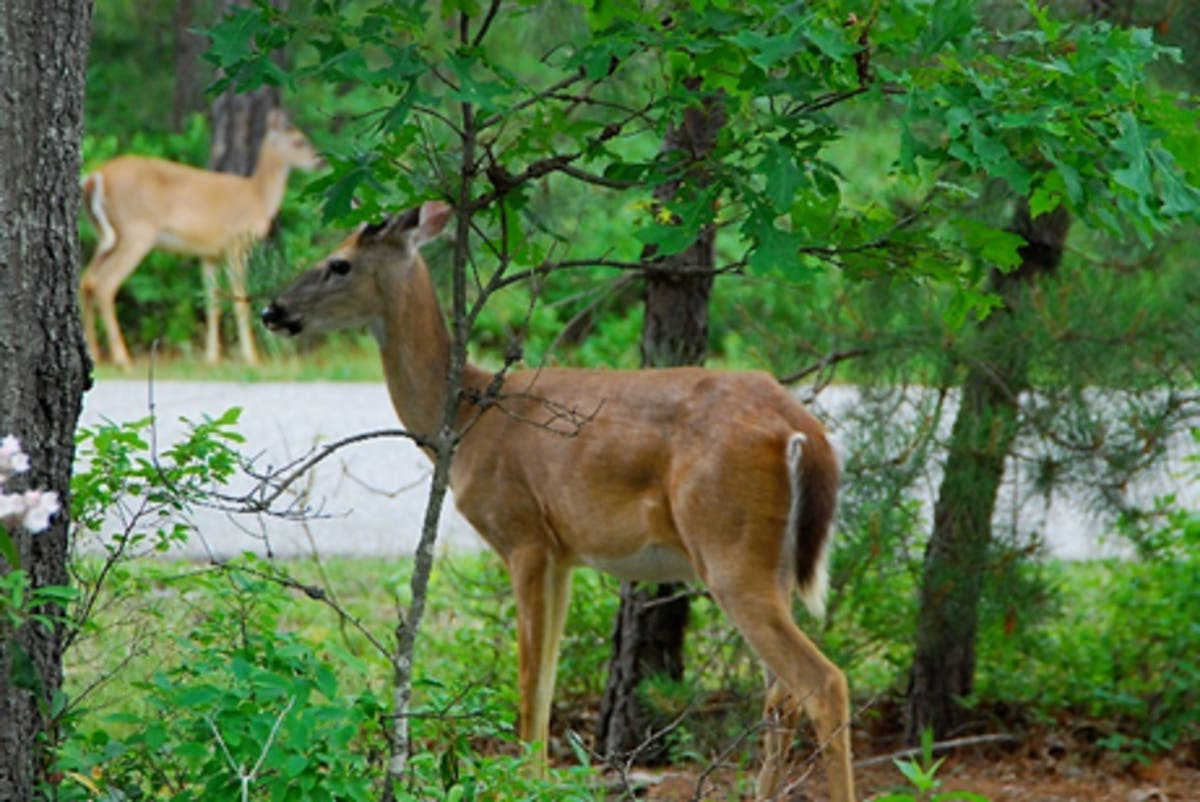
Deer are involved in thousands of collisions with motor vehicles in New Jersey each year. But in the autumn – when the fall mating season begins – motorists need to take extra care if they’re passing through an area with a known deer population, state DEP officials say.
“We strongly urge all motorists to be particularly alert to the possibility of deer suddenly darting onto roadways and to be aware of some steps they can take to reduce the risk of serious injury to themselves or their passengers,” Division of Fish and Wildlife Director Larry Herrighty said.
- See related article: Humans vs. Deer In Northeast Jersey: State Has A ‘Zero Density’ Population Goal
According to the NJ DEP:
Find out what's happening in Montclairfor free with the latest updates from Patch.
“Deer are apt to suddenly sprint onto roadways as bucks actively pursue does. This activity, known as the fall rut, is most pronounced in the very early morning and around sunset, when visibility can be difficult. Using caution becomes even more important when Daylight Saving Time ends November 5, causing commutes to align with periods when deer are most active and lighting conditions can be most difficult for motorists.”
The DEP continues:
“For motorists, low levels of light and sun glare can make it very difficult to see deer that are about to cross the road. In addition, multiple deer may cross the road at any given moment, usually in a single file.”
Here are some quick tips to help you avoid becoming another statistic, according to the DEP:
Find out what's happening in Montclairfor free with the latest updates from Patch.
- If you see a deer, slow down and pay attention to possible sudden movement. If the deer is in the road and doesn’t move, don’t go around it. Wait for the deer to pass and the road is clear.
- Pay attention to “Deer Crossing” signs. Slow down when traveling through areas known to have a high concentration of deer so you will have ample time to stop if necessary.
- If you are traveling after dark, use high beams when there is no oncoming traffic or vehicles ahead. High beams will be reflected by the eyes of deer on or near roads. If you see one Deer Crossingdeer, be on guard: others may be in the area. Deer typically move in family groups at this time of year and cross roads single-file.
- Don’t tailgate. Remember: the driver in front of you might have to stop suddenly to avoid hitting a deer.
- Always wear a seatbelt, as required by law. Drive at a safe and sensible speed, accounting for weather, available lighting, traffic, curves and other road conditions.
- If a collision appears inevitable, do not swerve to avoid impact. The deer may counter-maneuver suddenly. Brake appropriately, but stay in your lane. Collisions are more likely to become fatal when a driver swerves to avoid a deer and instead collides with oncoming traffic or a fixed structure along the road.
- Report any deer-vehicle collision to a local law enforcement agency immediately.
- Obey the state’s hands-free device law or, better yet, avoid any distractions by refraining from using cellular devices while driving
- Motorists are encouraged to inform the Department of Transportation of dead deer they find along the state highway system. Drivers can share information here.
Municipal and county governments are responsible for removal of dead deer from roads they maintain, DEP officials stated.
Peak rutting season for deer in New Jersey runs from late October, throughout November, and into mid-December in all areas of the state, beginning earliest in northern regions.
According to a formula based on deer harvested in hunting seasons – which doesn’t factor in high densities of deer inhabiting areas where hunting is not permitted - the estimated population of deer in New Jersey is about 100,000, down from 204,000 in 1995, DEP officials said.
Send news tips and feedback to eric.kiefer@patch.com
Photos: NJ DEP
Get more local news delivered straight to your inbox. Sign up for free Patch newsletters and alerts.