Arts & Entertainment
In Montclair: Best-Selling Author To Promote 'User-Friendly' Meditation
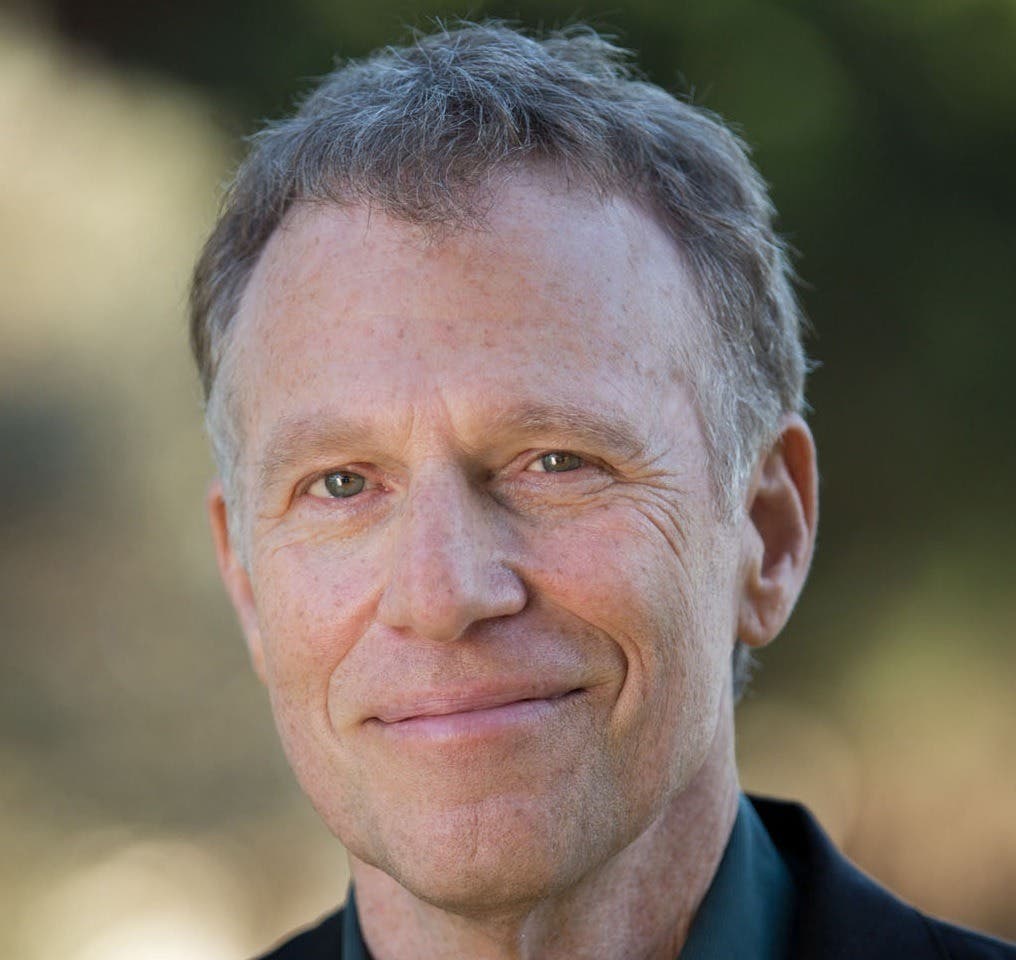
Best-selling author Dean Sluyter will speak at Montclair's Neolyth.


By David Stanton
Dean Sluyter – author of the best-selling Natural Meditation: A Guide to Effortless Meditation Practice – will appear at Montclair shamanic and spiritual center Neolyth, 39 Glenridge Ave., on Saturday, March 5, from 7 to 9 p.m.
Uniquely gifted in bringing meditation down to Earth, Sluyter is just as likely to quote Bugs Bunny or Quentin Tarrantino as the Dalai Lama.
Find out what's happening in Montclairfor free with the latest updates from Patch.
But after five-plus decades of meditation in different traditions, Sluyter has opted for absolute simplicity.
“Many people still think of meditation as forbidding, weird, a little scary,” he writes. “But in reality, it should be effortless and user-friendly.”
Find out what's happening in Montclairfor free with the latest updates from Patch.
For Sluyter, meditation is simply about “being” – the most natural thing imaginable, but squarely at odds with our complex, “always-on” world.
A former high school teacher who called New Jersey home for many years, Sluyter now lives in a small, idyllic house in Santa Monica, California, not far from Venice Beach.
His other books include The Zen Commandments and Cinema Nirvana, and he has been featured in O: The Oprah Magazine, InStyle, and the Huffington Post.
Sluyter recently spoke with Patch about his work and his meditation practice.
Is meditation bigger and better known in the West than ever? Why is that?
Yes, it is. When I started teaching in 1970, many people thought of meditation as some kind of touchy-feely, hippie, fringie, Eastern thing. Comedians found it easy to parody: just slap on a long wig and white robe, clench your teeth, and chant “Ommmm.” But now we’ve had over 40 years of Westerners experiencing the practical benefits, with extensive corroboration from lab research.
Most people by now have at least one perfectly normal, non-hippie friend or relative who uses meditation to reduce stress, normalize their blood pressure, improve their sleep, find greater fulfillment in their relationships, and so forth. Many people have heard about meditating business leaders like Ray Dalio, who heads the world’s largest hedge fund, or sports teams like the Seattle Seahawks, who have made meditation an integral part of their training.
What makes natural meditation different? Why is it appropriate for our times?
Despite these benefits, many people hesitate to learn meditation because they think it’s going to be difficult. And, in fact, most forms of meditation involve some unnatural effort to still the mind. But that’s counterproductive: it’s like trying to flatten out all the ocean waves by flailing at them with a baseball bat. Early on, I was fortunate to find teachers who showed me the alternative: just let yourself sink naturally into the ocean of awareness, and you discover that, just a foot or two beneath the surface, the water is always silent. Rather than trying to push the thoughts out, you let the silence pull you in. Because it’s so simple and natural, anyone can do it: I’ve taught it everywhere from Ivy League colleges to maximum security prisons. And you can get profound results just by sitting for a few minutes a day, so it can fit into our chronically busy schedules.
What are the special challenges that a nation of smartphone “starers” faces when it comes to meditation?
Smartphones are fantastic tools. But for many people they’ve promoted addiction to nonstop distraction and low-level stimulation, an inability to just be. In my workshops these days, I show people how to flip that addiction around, to enjoy the unstimulated state of not whipping out your phone every time there’s a lull in the conversation.
You’ve traveled a lot in support of this book. What are some observations or surprises that stick with you from these visits?
I’m most struck by how similar people are in different places and different walks of life. People just want to be happy, and they have an intuitive sense that they should be happy, that it shouldn’t be such a struggle. Even though we may talk about benefits like normalized blood pressure and workplace efficiency, those are really just side effects. Most people are more interested in the delicious inner silence and stable happiness from which are the primary effects. Me too!
What’s next for you?
Well, I continue to teach workshops wherever people invite me. I’m making some incursions into the corporate world and getting invitations from professional groups like the Young Presidents’ Organization, and I’m starting to do some teaching overseas — I was just in Guatemala and am headed next to the Bahamas. I also have a few more books up my sleeve that will explore this topic from some fresh angles that I think people will find surprising.
David Stanton is a marketer, freelance writer, and meditation group leader.
Sign up for Patch email newsletters here.
Send local news tips, photos and press releases to eric.kiefer@patch.com
Get more local news delivered straight to your inbox. Sign up for free Patch newsletters and alerts.