Schools
Montclair State University: It's OK To Talk About Pregnancy And Infant Loss
They are stories of cautious optimism, of fear and anxiety. They are stories of short-lived miracles and unimaginable grief.

October 13, 2021
They are stories of cautious optimism, of fear and anxiety. They are stories of short-lived miracles and unimaginable grief.
Find out what's happening in Montclairfor free with the latest updates from Patch.
The tragedy of pregnancy and infant loss is more common than you might think, but for many it remains a deeply private experience. Social media has helped to change that; today, it’s not uncommon to scroll down a news feed and see a somber update from a loved one or even a celebrity openly sharing their struggles.
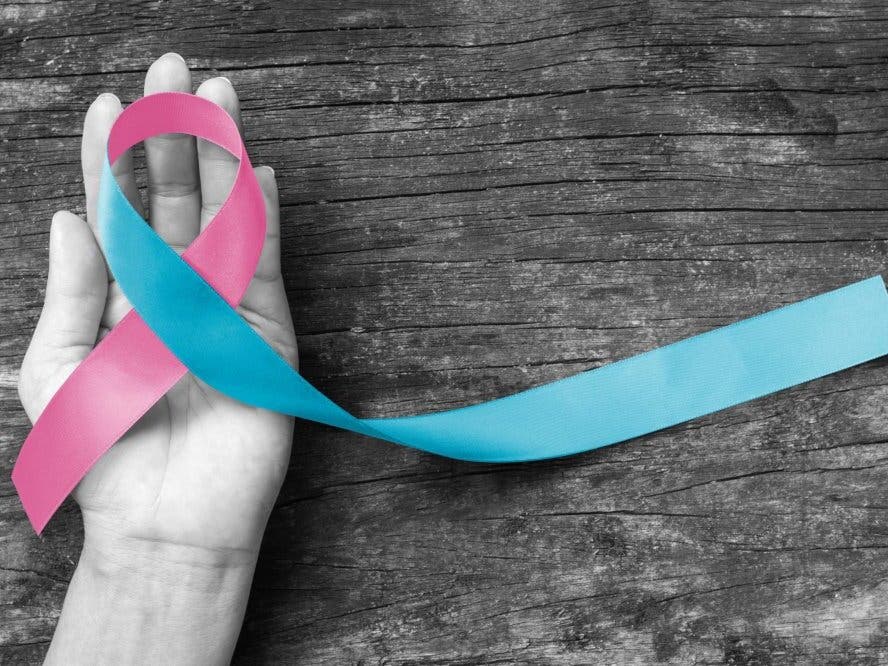
In honor of World Pregnancy and Infant Loss Remembrance Day on October 15 and Baby Loss Awareness Week, we spoke to two faculty experts to discuss why the social media age has made it easier for people experiencing this type of loss to share their stories, and to receive and offer support.
Find out what's happening in Montclairfor free with the latest updates from Patch.
Add online anonymity to the isolation many have felt during the pandemic, Penney says, and the reason you may have noticed an uptick of “self-disclosure” online becomes clear: “People are looking for that social support, and communication via screen has the psychological effect of disinhibition.”
Things get more delicate when discussing certain topics, like miscarriages or infertility, but Jill Wodnick, a certified doula and assistant director for Maternal-Infant Relational Health at the Center for Autism and Early Childhood Mental Health at Montclair State, suggests that with increased representation of women and women’s stories in news and media, it’s become easier to speak out. “There is meaningful impact when media outlets have publishers, editors and writers with lived experiences that will document in a public domain areas of women’s health that have been previously stigmatized or made invisible.”
She adds that peer support and hearing how others have also navigated unanticipated outcomes, even if it comes in the form of an online forum or media article, goes a long way in reducing the feeling of isolation.
When she worked as a birth doula, Wodnick says she frequently worked with families that had experienced infertility and loss. “Outside of their health-care provider, I may have been one of the only people to hear about their journey.”
There are also many instances where a more open discussion about personal struggles resulted in activism, awareness and meaningful legislation.
“That kind of public awareness for these issues is huge,” Penney says.
As valuable as online resources and communities can be, Wodnick stresses that there is also nothing wrong with continuing to keep personal stories private, should an individual and/or family choose that route.
“There is no one-size-fits-all about the perinatal loss experience,” Wodnick says. “The needs of an individual are in a broad range from nonlinear and quiet and internal to expressive and moving into advocacy or action. Some people may want to use it for ritual and ceremony with community care and others may want more internal and private space.
Ultimately, though, “There are a plurality of ways and paths and resources that can strengthen one’s own voice,” Wodnick says. However someone chooses to cope is unique to them and their health, culture, religion and community.
Wodnick shared these three northern New Jersey peer support and advocacy groups for perinatal loss:
To speak with Jill Wodnick or Joel Penney, please contact the Media Relations team.
This press release was produced by Montclair State University. The views expressed here are the author’s own.