Politics & Government
More Women Than Ever Are Serving In Military, NJ Congresswoman Says
When the last U.S. military draft ended in 1973, women represented just 2% of the enlisted forces. Here's where the number stands today.


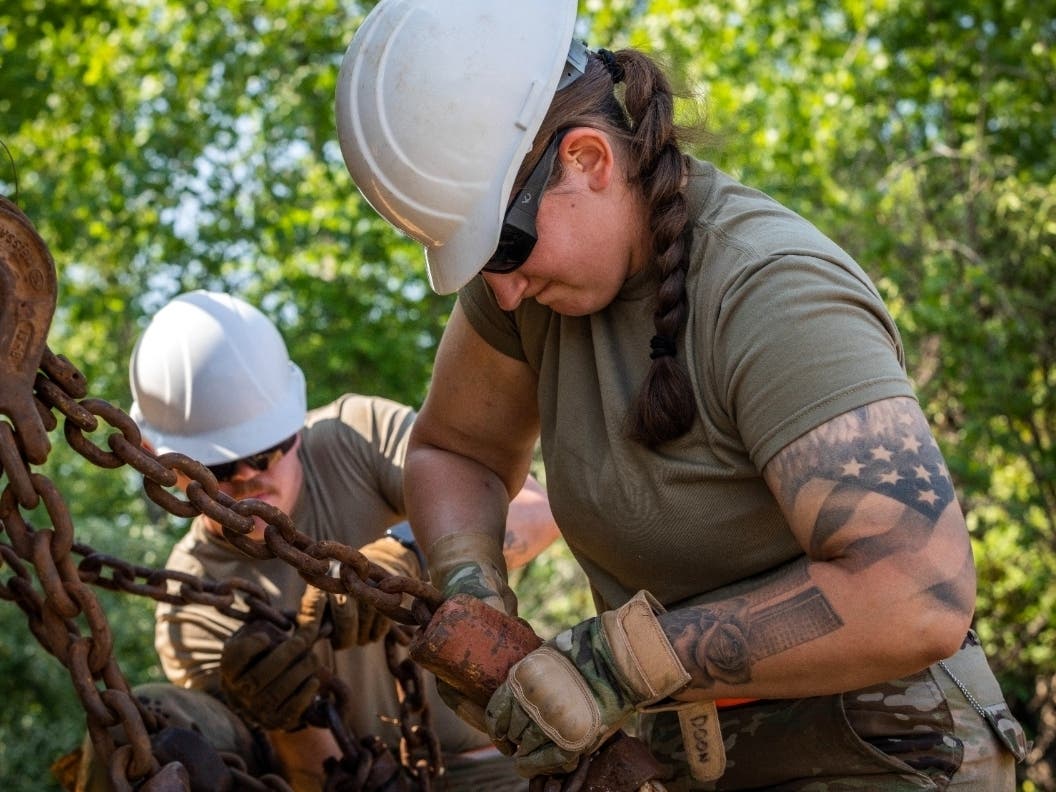
NEW JERSEY — When the last U.S. military draft ended in 1973, women represented just 2 percent of the enlisted forces. Today, those numbers have grown to 19 percent – and they’re expected to grow even higher, according to Rep. Mikie Sherrill.
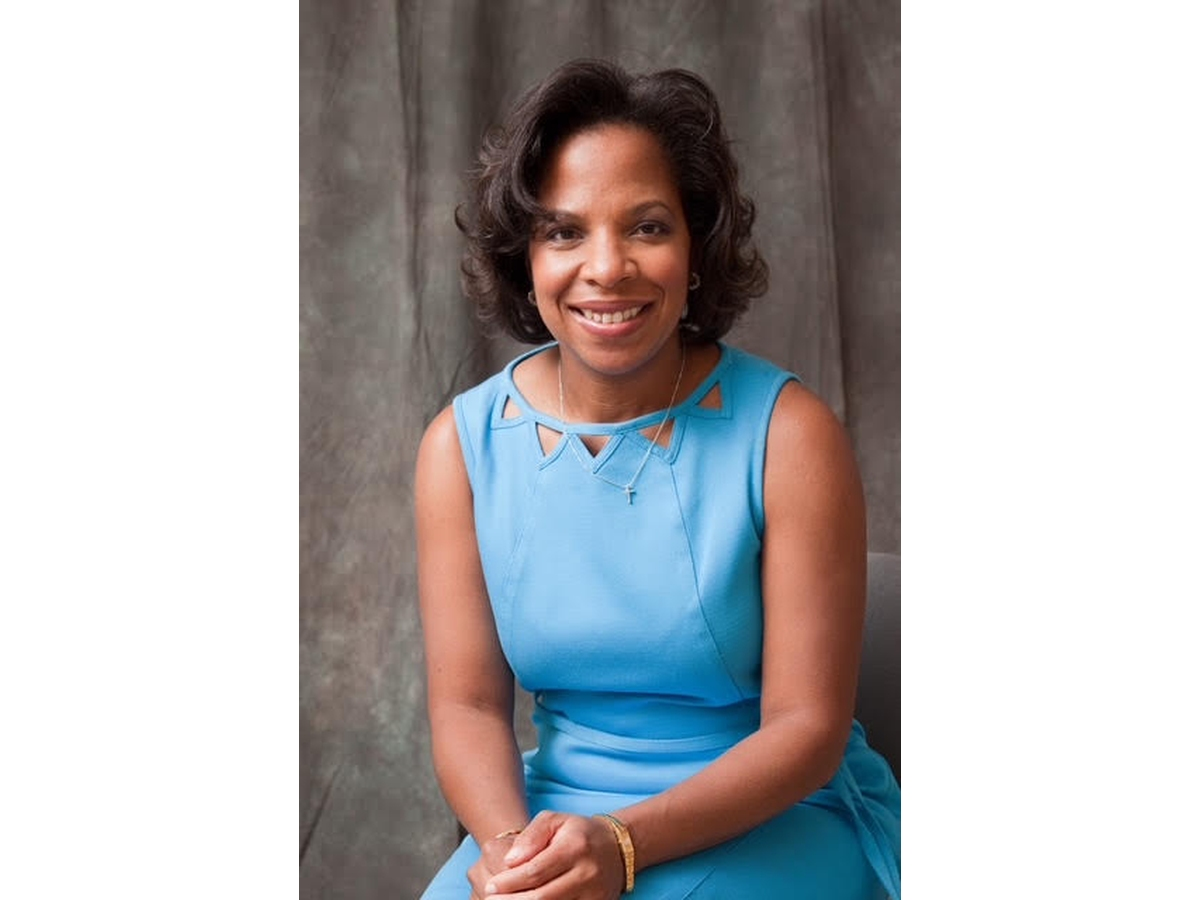
Sherrill, who represents the 11th Congressional district of New Jersey, recently ushered in a new iteration of the Servicewomen and Women Veterans Caucus alongside her House peers, Chrissy Houlahan of Pennsylvania and Jen Kiggans of Virginia.
The bipartisan caucus encourages teamwork among members of Congress, with the goal of addressing issues facing servicewomen and women veterans.
Find out what's happening in Montclairfor free with the latest updates from Patch.
The growth in female military service members is something that is felt directly on the floor of Congress, Sherrill said. Currently, there are a record number of women veterans serving in Congress, including Sherrill herself – a former Navy helicopter pilot.
There are over two million living women veterans in the U.S., Sherrill said. In the next 25 years, women veterans are projected to nearly double their population to account for nearly one in five living veterans.
Find out what's happening in Montclairfor free with the latest updates from Patch.
According to a recent demographics report from the U.S. Department of Defense, women made up 17.3 percent of the active-duty force in 2021, totaling 231,741 members; and 21.4 percent of the National Guard and reserves at 171,000 members. The year before, women made up 17.2 percent of the active-duty force and 21.1 percent of the Guard and reserve. Since 2017, the percentages of women in the active-duty and selected reserve have risen 1.1 percent and 1.8 percent respectively.
It's clear that more women are considering careers as service members. So why don’t the struggles they face get more attention, Sherrill questioned?
“Women have played an integral role in our armed forces since the Revolutionary War, and today represent the largest growing population of veterans in the United States,” the congresswoman said. “Yet it was clear during my service, and now in conversations with female veterans in my community, that the challenges faced by servicewomen are often left unaddressed.”
According to Sherrill:
“According to the Department of Veterans Affairs (VA), the age-adjusted suicide rate for women veterans is almost two times higher than the rate for civilian women. With this in mind, it is especially alarming that, on average, women veterans do not connect with VA services until nearly three years after separating from the military. Data indicates women veterans are just as likely to experience emotionally traumatic or distressing experiences while serving and one in three servicewomen seen by Veterans Health Administration disclose they have experienced Military Sexual Trauma. However, there are few gender-specific care guidelines and a shortage of women program managers and coordinators at the VA. The caucus will work to address these issues.”
“Since forming this caucus in 2019, we have made great strides in addressing sexual assault and harassment in the military, broadening access to childcare, and improving reproductive health care, but we know there is more work to be done,” Sherrill added. “We will continue to utilize this bipartisan caucus to bring our perspective as female veterans to our colleagues and work to ensure Congress does more to support both women currently serving and women veterans.”
The recently redrawn 11th District includes the following municipalities:
Essex – Belleville, Bloomfield, Cedar Grove, Fairfield, Glen Ridge, Livingston, Maplewood, Millburn, Montclair (part), North Caldwell, Nutley, Roseland, South Orange, West Caldwell
Morris – Boonton, Boonton Township, Butler, Chatham, Chatham Township, Denville, Dover, East Hanover, Florham Park, Hanover, Harding, Jefferson, Kinnelon, Lincoln Park, Madison, Mendham Twp (part), Montville, Morris Plains, Morris Township, Morristown Town, Mountain Lakes, Parsippany-Troy Hills, Pequannock, Randolph, Riverdale, Rockaway, Rockaway Township, Victory Gardens
Passaic – Little Falls, Totowa, Wayne (part), Woodland Park
WOMEN AND THE DRAFT
The United States has used systems of conscription since the Revolutionary War era, although the U.S. Selective Service System as we know it today – commonly known as the “draft” – was not in use back then.
According to the agency’s website:
“Conscription was used in World War I with the draft mechanism in both instances being dissolved at the end of hostilities. In 1940, prior to U.S. entry into World War II, the first peacetime draft in our nation’s history was enacted in response to increased world tension and the system was able to fill wartime manpower needs smoothly and rapidly after the attack on Pearl Harbor. At the end of the war, the draft law was allowed to expire, but it was reenacted less than two years later to maintain necessary military manpower levels as a result of the Cold War. From 1948 until 1973, during both peacetime and periods of conflict, men were drafted to fill vacancies in the armed forces which could not be filled through voluntary means. Induction authority expired in 1973, but the Selective Service System remained in existence in ‘standby’ to support the all-volunteer force in case of an emergency. Registration was suspended early in 1975 and the Selective Service System entered into ‘deep standby.’”
Beginning in late 1979, a series of “revitalization” efforts were launched in an effort to upgrade the system’s capability for rapid mobilization in an emergency. In the summer of 1980, registration was resumed.
Presently, young men must register within 30 days of their 18th birthday. Various proposals to require women to register with the Selective Service System have hit the floor of Congress over the past decade, but none have reached the finish line. The exclusion of women from the registration process has also been challenged in the federal court system.
- See Related: Sherrill Blasts GOP After Debt Battle Derails Military Spending Bill
- See Related: 4 NJ Lawmakers Vote Against Record-High US Military Spending Bill
Send local news tips and correction requests to eric.kiefer@patch.com. Learn more about advertising on Patch here. Find out how to post announcements or events to your local Patch site.
Get more local news delivered straight to your inbox. Sign up for free Patch newsletters and alerts.