Crime & Safety
Moorestown Man Admits $680K In Prescription Fraud, Authorities Say
George Gavras is one of two men who pleaded guilty in the conspiracy on Monday, authorities said.


MOORESTOWN, NJ — A Moorestown man admitted to submitting fraudulent claims for medically unnecessary prescriptions in an effort to defraud state health benefits programs and other insurers, Acting U.S. Attorney William E. Fitzpatrick and New Jersey Attorney General Christopher S. Porrino said on Monday.
George Gavras, 36, is one of two pharmaceutical sales representatives to plead guilty to conspiracy to commit health care fraud, authorities said. The other was 42-year-old Judd Holt, of Marlton. They pleaded guilty to separate charges.
Gavras agreed to forfeit $204,002.02 and pay restitution of at least $679,368.53. Holt must forfeit $95,574.49 in criminal proceeds he received for his role in the scheme and pay restitution of at least $769,762.53.
Find out what's happening in Moorestownfor free with the latest updates from Patch.
They each also face a maximum penalty of 10 years in prison and a $250,000 fine, or twice the gross gain or loss from the offense.
Last week, 55-year-old John Gaffney, of Linwood, pleaded guilty to his role in the same scheme. All three men will be sentenced on Jan. 5, 2018.
Find out what's happening in Moorestownfor free with the latest updates from Patch.
Matthew Tedesco, Robert Bessey, Michael Pepper, Thomas Hodnett, and Steven Urbanski have already pleaded guilty to their roles in this conspiracy and await sentencing. The conspiracy revolved around the unnecessary prescriptions of compounded medications.
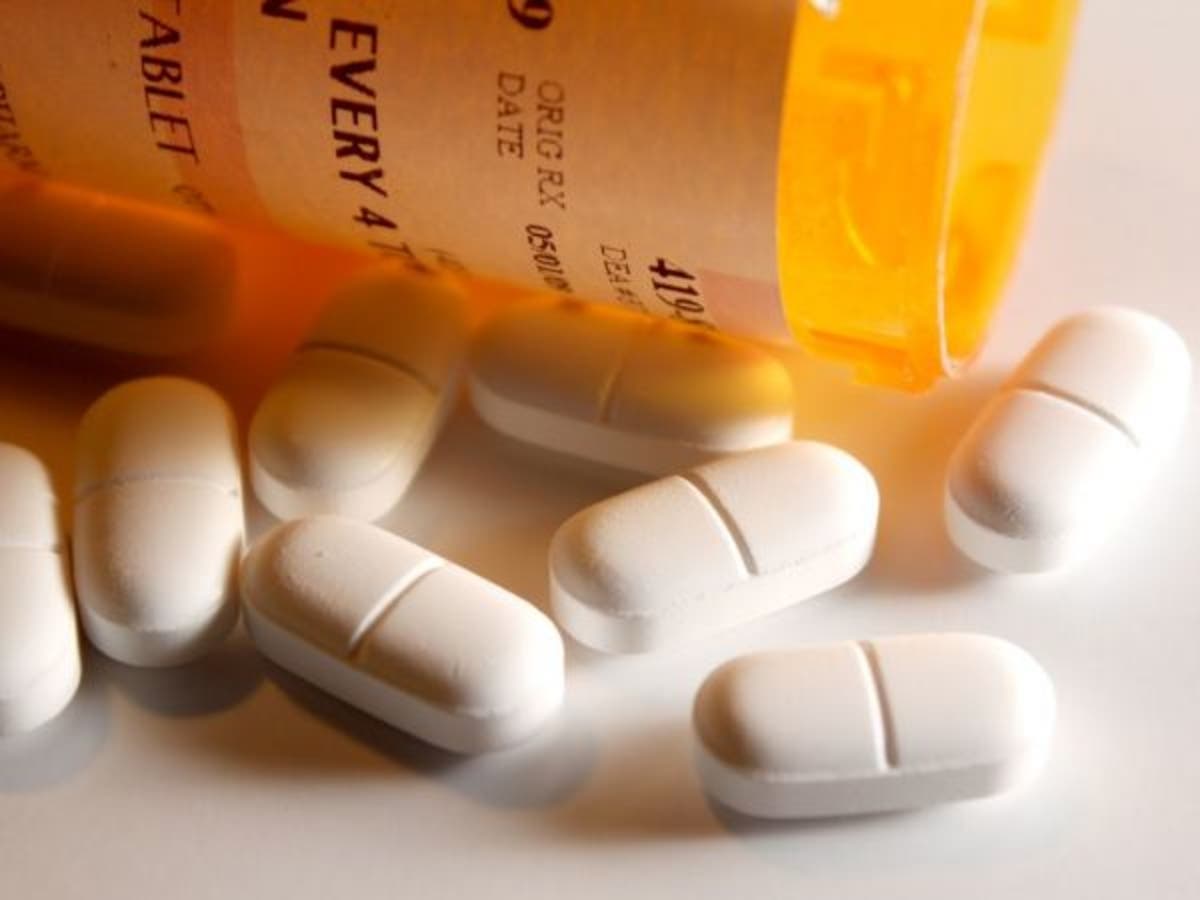
Compounded medications are supposed to be specialty medications mixed by a pharmacist to meet the specific medical needs of an individual patient, according to documents filed in the case and statements made in court. They aren’t approved by the Federal Drug Administration (FDA), but when an FDA-approved medication don’t meet the health needs of a patient, the doctor is permitted to prescribe a compounded medication.
From January of 2015 through April of 2016, Gavras and Holt were among a group of conspirators who persuaded patients to obtain very expensive and medically unnecessary compounded medications from an out-of-state pharmacy, identified in the information as the “Compounding Pharmacy,” according to authorities.
The conspirators learned that certain compound medication prescriptions – including pain, scar, antifungal, and libido creams, as well as vitamin combinations – were reimbursed for thousands of dollars for a one-month supply, authorities said. They also discovered that some New Jersey state and local government and education employees, including teachers, firefighters, municipal police officers, and state troopers, had insurance coverage for these particular compound medications.
An entity referred to in the information as the “Pharmacy Benefits Administrator” provided pharmacy benefit management services for the State Health Benefits Program, which covers qualified state and local government employees, retirees, and eligible dependents, and the School Employees’ Health Benefits Program, which covers qualified local education employees, retirees, and eligible dependents.
The Pharmacy Benefits Administrator would pay prescription drug claims and then bill the State of New Jersey for the amounts paid.
Once they had recruited an employee covered by the Pharmacy Benefits Administrator, Gavras and Holt obtained that employee’s insurance information and filled out a Compounding Pharmacy prescription form, authorities said. They would select the compounded medications that paid the most without regard to their medical necessity.
Gavras and Holt would then get the prescriptions signed by doctors and other qualified health professionals who never saw the patients or evaluated whether the patients had a medical necessity for the compounded medication, authorities said. The prescriptions were then faxed to Compounding Pharmacy, which filled the prescriptions and billed the Pharmacy Benefits Administrator. According to authorities, the Pharmacy Benefits Administrator paid Compounding Pharmacy over $50 million for compounded medications mailed to patients in New Jersey.
Patch file photo
Get more local news delivered straight to your inbox. Sign up for free Patch newsletters and alerts.