Politics & Government
Vietnam Vets Fight To Keep Memorial Field Honor In Moorestown
The four baseball fields are named for Vietnam War heroes. The township was in very early stages of talks to move the baseball fields.


MOORESTOWN, NJ — It’s not an easy thing for Jack Hall to talk about it, but he often does it anyway. The Vietnam Vet walks from baseball field to baseball field each week in the spring, talking about the significance behind Memorial Field.
As he watches his grandchildren take the field, he reminds those in attendance that each baseball field is named after a Vietnam War hero. It’s something many people forget, and a subject that recently came up during a discussion about the possibility of moving the baseball fields on the site.
“Many Moorestonians don’t understand the meaning behind the name. They just know the name,” Moorestown Mayor Stacey Jordan said after meeting with Hall. “I’ve lived here 26 years. I’m pretty involved in the town, but even I didn’t know the meaning.”
Find out what's happening in Moorestownfor free with the latest updates from Patch.
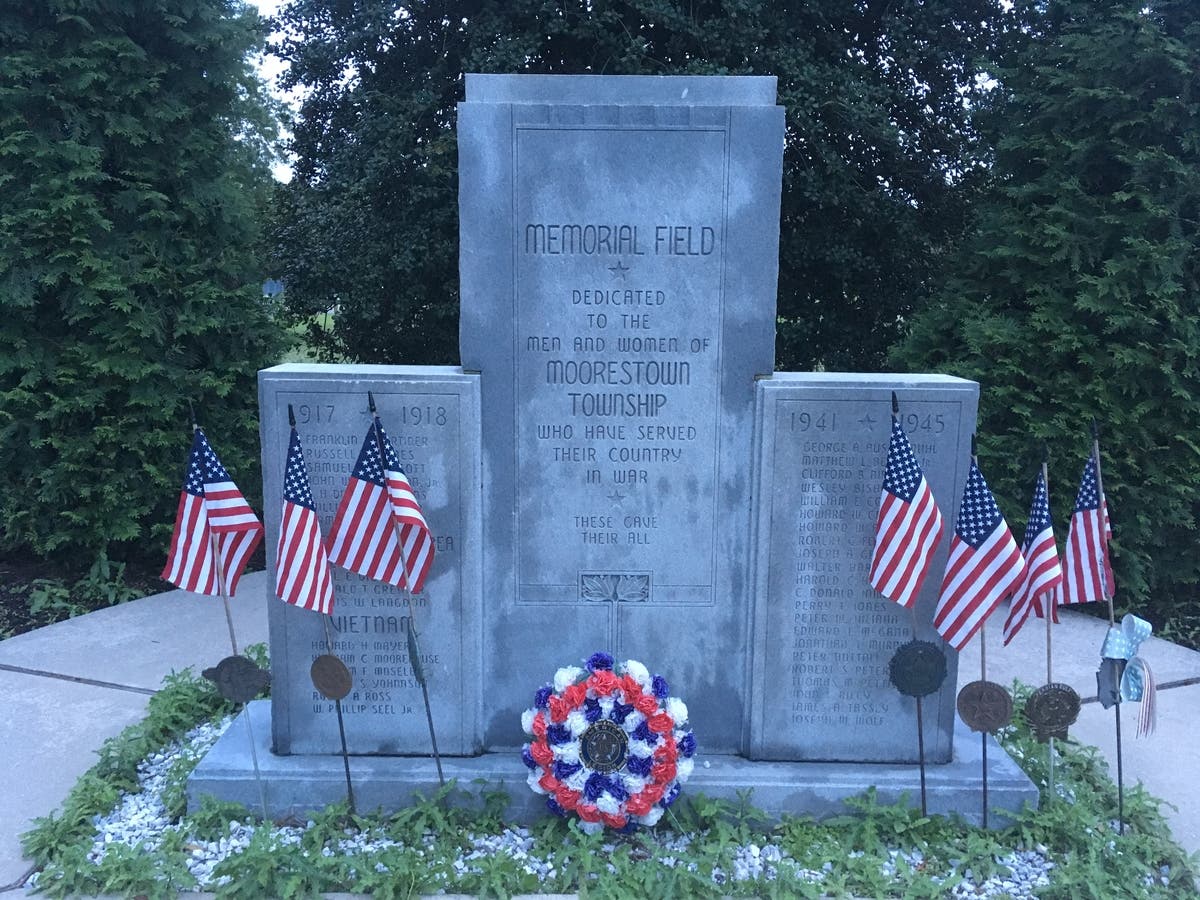
The field is named for the Multi-War Memorial that stands at the entryway. It includes the names of all Moorestown residents who died in each of the World Wars, as well as the Vietnam War. There are about 35 names on the memorial.
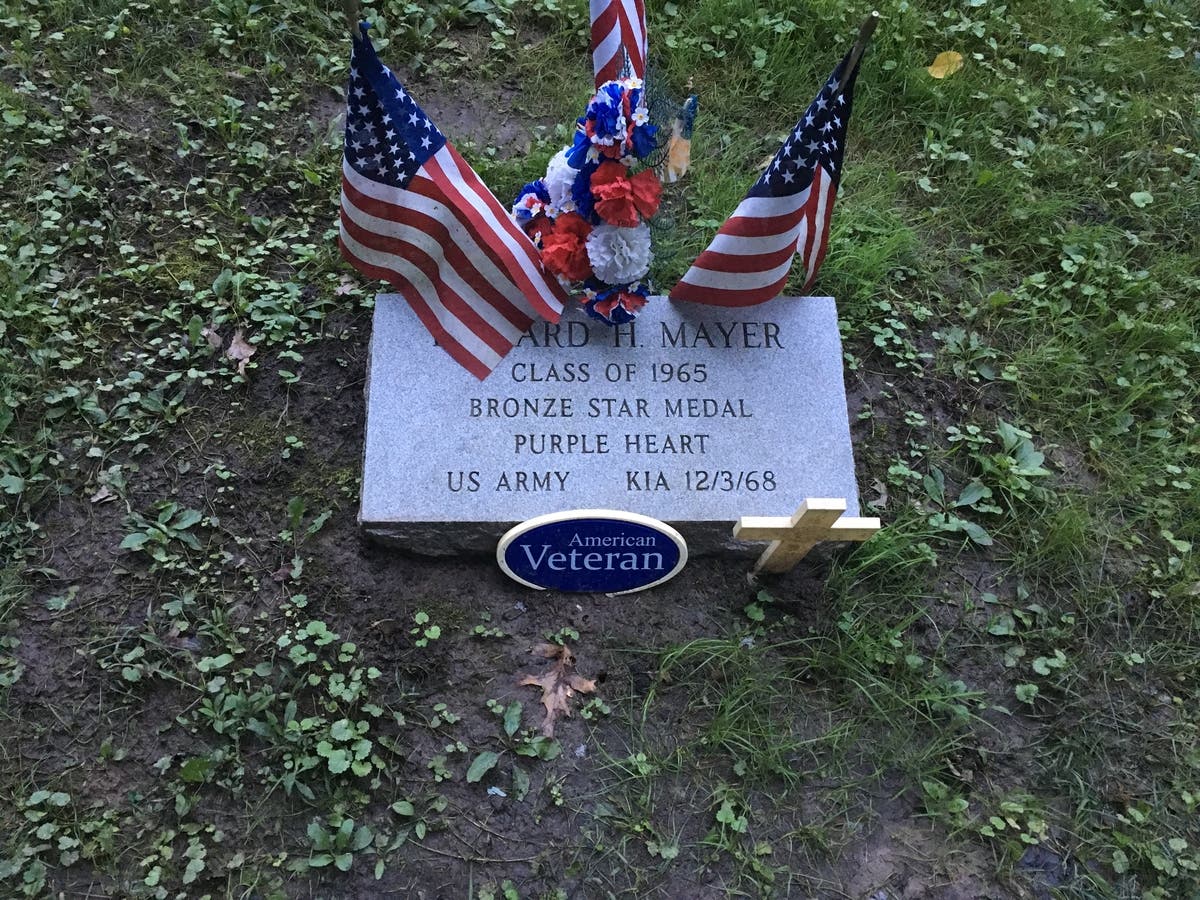
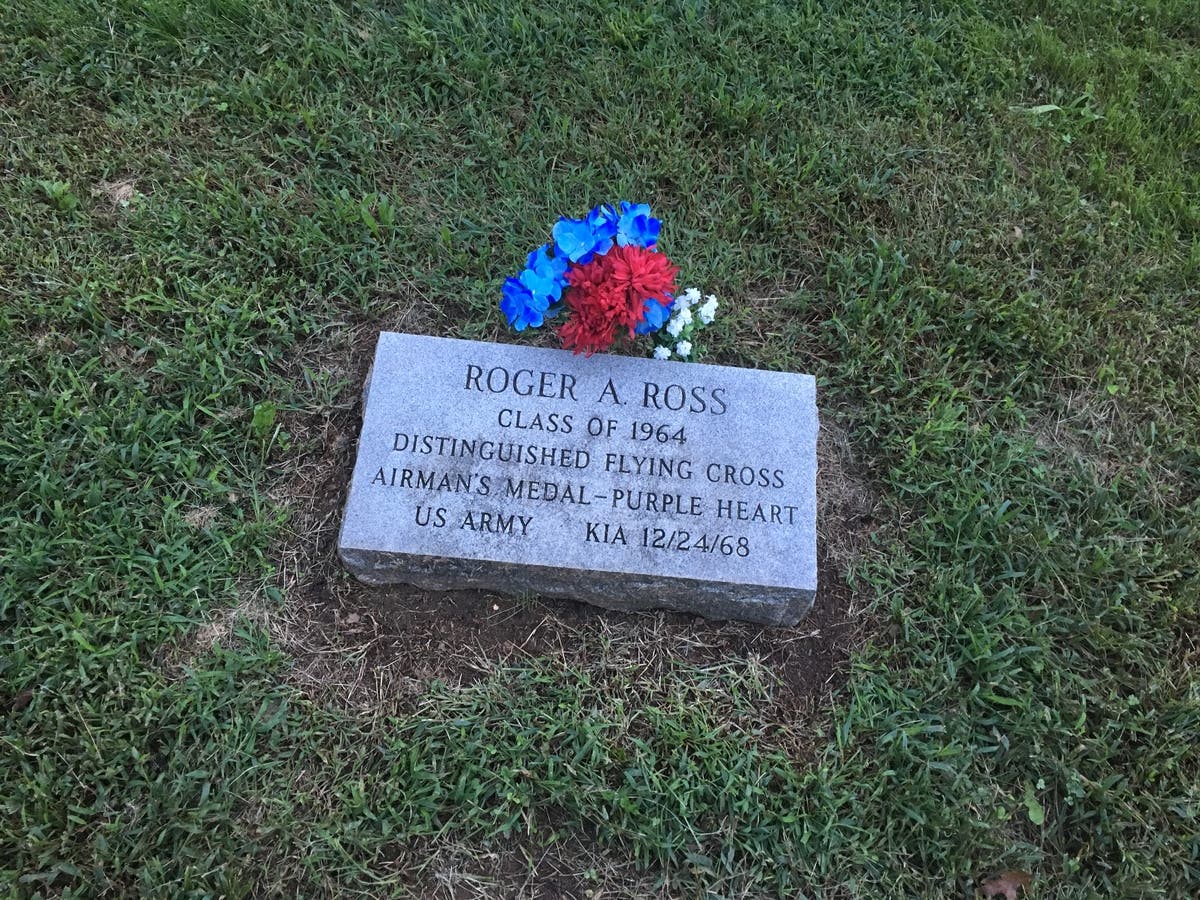
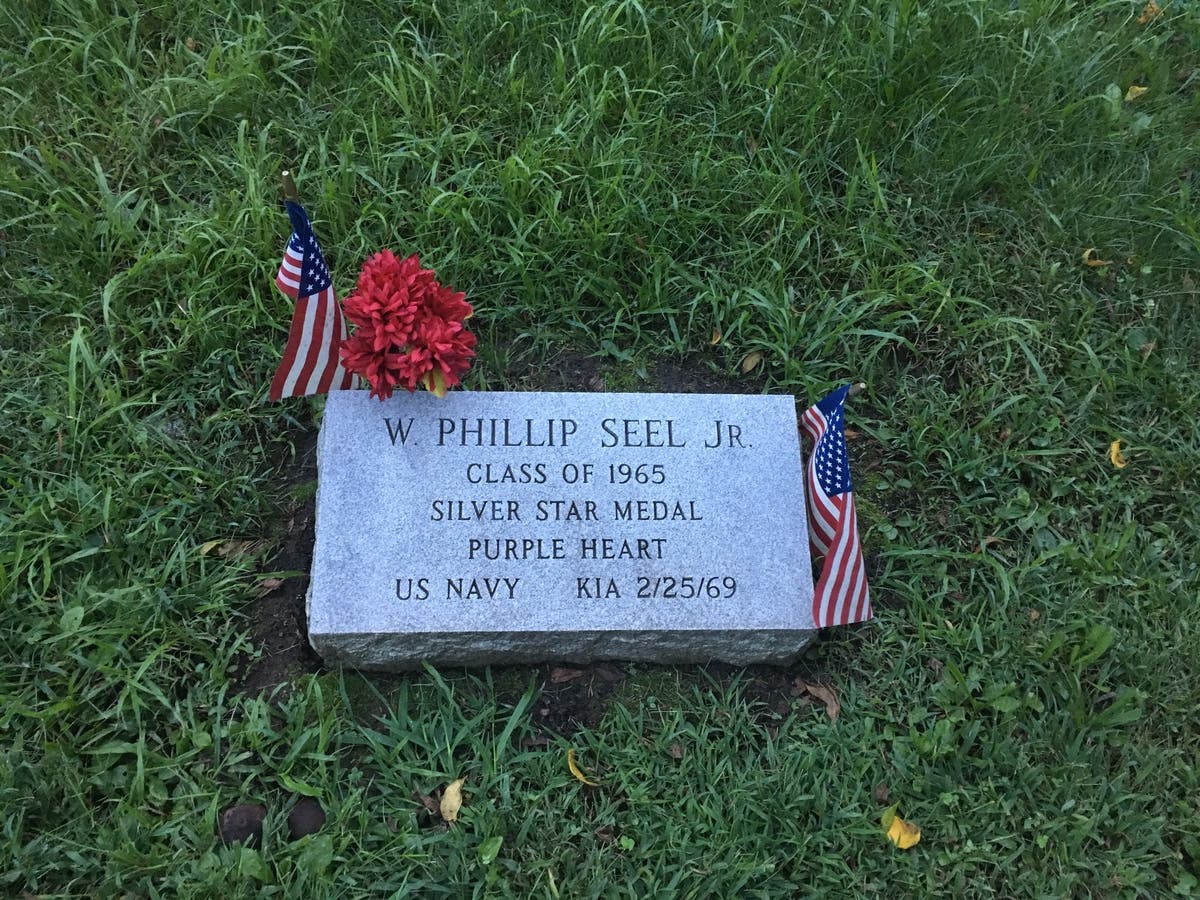
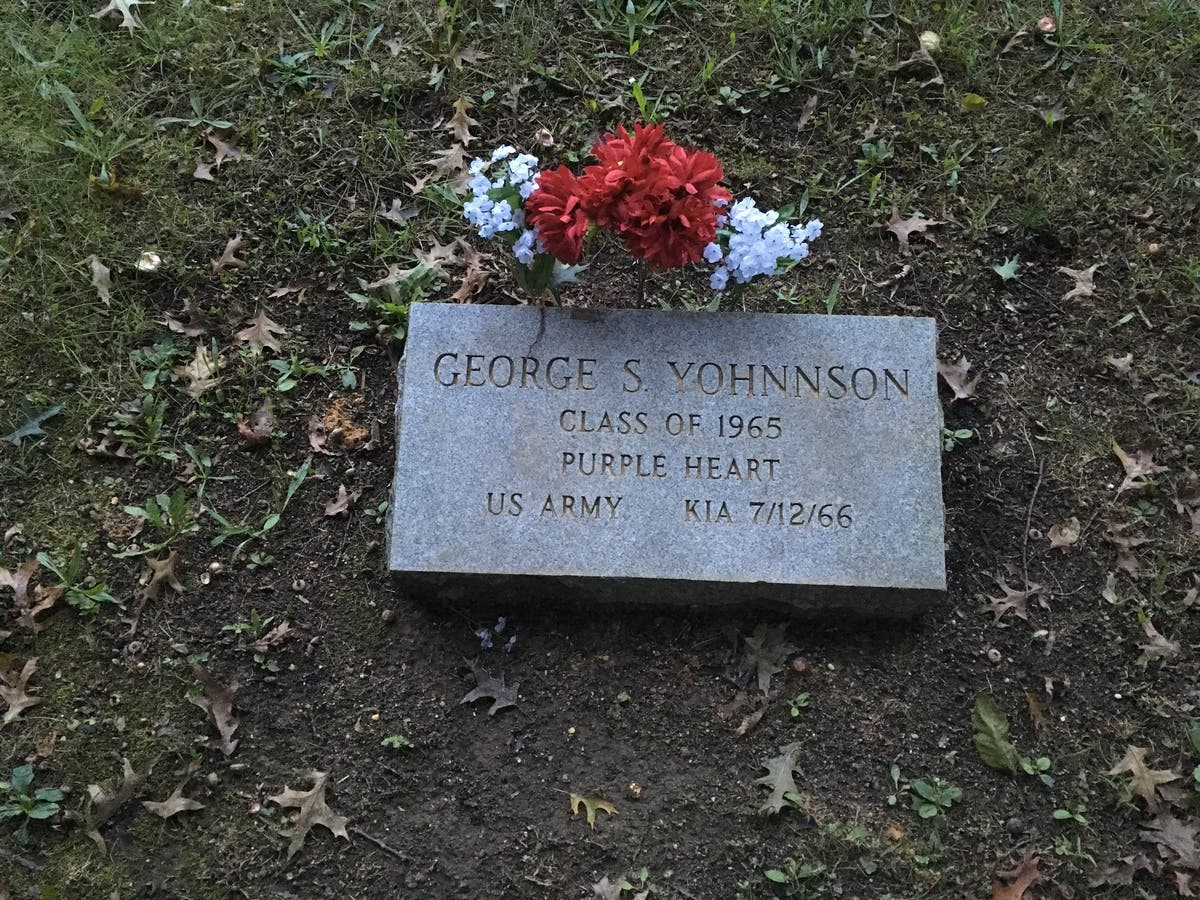
What many people don’t realize is that each baseball field is named after one of four Vietnam War heroes killed in combat: Howard H. Mayer, Roger A. Ross, Walter P. Seel and George S. Yohnnson. They were dedicated during one of the township’s annual Memorial Day ceremonies in 2010, and the issue came up at a council meeting on Sept. 10.
Find out what's happening in Moorestownfor free with the latest updates from Patch.
The field currently has three soccer fields, five baseball fields and one softball fieldTownship officials were in very early discussions about the possibility of adding three soccer fields to make a total of six, and moving the tee-ball and softball played at the field to John Pryor Park, on a smaller scale.
Discussions were so early that the Sept. 10 discussion was held during the workshop portion of the meeting, when no official action is taken. While many residents packed that meeting to voice concerns about lights and traffic, Hall and others came to discuss why the baseball fields shouldn’t be moved.
One of them was former Moorestown Historical Society President Leonard Wagner, who described the fields to Patch as a “promise to the memory of the men and their families.”
“At the dedication, everyone mentioned how much (the four men) loved playing baseball,” Wagner said. “They played on those fields, and it was the perfect way to honor those men.”
He said most vets were in agreement with him that moving those fields to another location would take away from the special meaning behind them. The four baseball fields were previously used by the high school baseball program. They are arranged in such a way that they all share one outfield.
“I didn’t know they all played on those fields,” Jordan said. “If I didn’t realize that, there’s a lot of new people to the township who probably don’t realize that.”
Hall was friends with all of them, but Mayer was his best friend from the time they were children. Mayer, a two-year varsity pitcher at Moorestown High School, was killed in action near the Demilitarized Zone in South Vietnam on Dec. 3, 1968, according to the New Jersey Vietnam Veterans’ Memorial website. Mayer’s mother asked Hall to escort his childhood friend’s body from Dover Air Force Base to Moorestown.
“I was 20 at the time,” Hall recalled. “When you’re a military escort, you travel with the remains and you get an envelope that’s either marked ‘V’ or ‘NV.’ ‘V’ means viewable and ‘NV’ means non-viewable. My friend was non-viewable.”
Hall said part of the job is to convince the family that they want to remember their loved one the way he was and not look inside the envelope. “It was the single worst thing I ever had to do,” Hall said.
During the council meeting, one resident recalled the way Vietnam War vets were treated when they came home. It was a controversial war waged during a turbulent time in American history, and many soldiers were vilified upon their return.
“The only welcome they received was the honor of having the field named for them, and now you’re going to take that away from them?” Ruth Seel said. “ … There are organizations that fight for the right of Vietnam veterans because no one was here to welcome them home. You don’t want to feel that wrath.”
“I was so happy when we were finally given the recognition we were all due,” Hall said. “And then eight years later, they talk about removing it. But it appears to be in a good place now.”
Jordan’s meeting with Hall the day after the meeting was an eye-opener for her. She told him she would work with council on another solution. She told him nothing was guaranteed, but Hall walked away from that meeting feeling much better about the prospects for preserving the baseball fields than he did before the meeting.
Knowing that councils change, he said the next step would be for council to take up an ordinance to protect those fields forever.
While Jordan didn’t speak about an ordinance per se, she did note a desire to remind Moorestown residents about the field’s significance every so often.
“We can’t just have one ribbon-cutting ceremony and that’s it,” Jordan said. “Every few years, people should be reminded about it.”
In the meantime, Hall continues to do his part as he travels from field to field each spring weekend.
To learn more about each vet that a field is named for, click on the links below.
Get more local news delivered straight to your inbox. Sign up for free Patch newsletters and alerts.