Crime & Safety
4 NJ Child Sex Convictions Tossed; 40 More May Go Free: But Why?
The court shot down a theory on the impact of child-sex assault. Here's who is going free, and here's why.


As many as 40 child sex-abuse convictions could be thrown out – and four already have been reversed – because of a court ruling that could impact how New Jersey handles the crime.
The appellate court threw out four cases, applying them retroactively to a 2018 Supreme Court decision that called into question the diagnosis of "Child Sexual Assault Accommodation Syndrome."
The theory identifies secrecy and helplessness, among other feelings, as among the impacts of child sex abuse, according to the court's decision.
Find out what's happening in Morristownfor free with the latest updates from Patch.
The state Attorney General says at least 40 cases were pending on appeal and would be affected by the appellate court's decision.
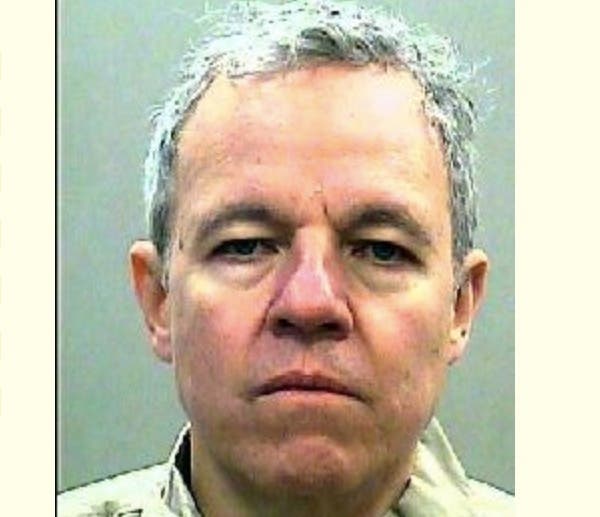
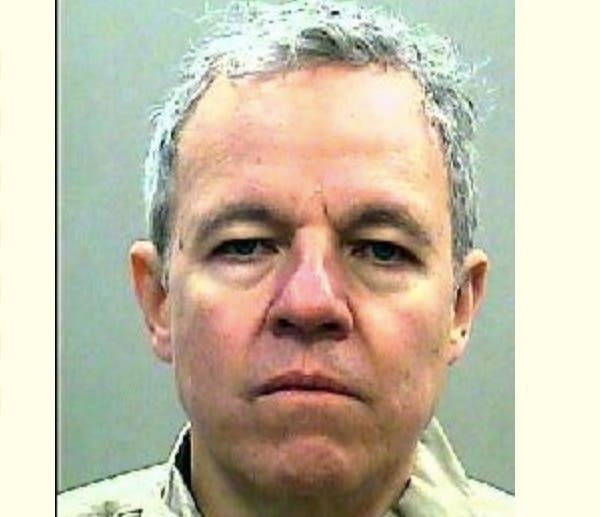
One of those overturned cases involved a Lake Hiawatha man convicted of child sex abuse who was found guilty in 2015 after a two-week trial in Morris County Superior Court.
Find out what's happening in Morristownfor free with the latest updates from Patch.
Guy Parker, now 61, was convicted of 13 counts of aggravated sexual assault and sexual assault, according to the state Department of Corrections.
The trial stemmed from a 2009 arrest in which Parker's victim, then 36, claimed the man sexually assaulted her during a nine-year relationship in two separate places in Morris County in the 1980s and 1990s. The victim was between the ages of eight and 16 at the time.
Otherwise, it's not clear which cases were tossed, and which ones could be reversed in the future. It's also not clear if those convicted will be immediately freed.
"Expert testimony in these four cases calls into question the validity of each guilty verdict," the court ruled on March 27.
The appellate court noted that the syndrome is based on a theory developed 35 years ago by clinical psychiatrist Ronald Summit, and identifies five categories of behavior commonly demonstrated by child sex abuse victims:
- Secrecy
- Helplessness
- Entrapment and accommodation
- Delayed, conflicted, unconvincing disclosure
- Retraction.
In 1993, the state Supreme Court found expert testimony on this theory was sufficiently reliable to be admitted into evidence. But last year, the state Supreme Court, comprised of different members from 25 years prior, ruled that expert testimony was not reliable, according to the court.
Reversing the four convictions is appropriate, the appellate court said, "because it would afford defendants relief from unfair convictions, while not unduly burdening the criminal justice system."
The Supreme Court’s ruling in August was based on a case involving a defendant identified as "J.L.G.," although that case was not actually thrown out. But four cases pending on appeal at the time were.
Based on what is known today, the Supreme Court said, it is no longer possible to conclude that "Child Sexual Assault Accommodation Syndrome" has a sufficiently reliable basis in science to be the subject of expert testimony.
In these cases, the doctors identified secrecy; helplessness; entrapment, coercion or accommodation; delayed or unconvincing disclosure; and retraction in their assessments. They testified that the first three behaviors typically occur prior to disclosing the alleged abuse, while the latter two behaviors typically occur after disclosing the abuse, according to the decision.
"These cases demonstrate the risk, even before J.L.G., that (Child Sexual Assault Accommodation Syndrome) testimony could impair the fact-finding process, and unfairly tip the balance against a defendant charged with sexual assault of a child," according to the appellate court.
Get more local news delivered straight to your inbox. Sign up for free Patch newsletters and alerts.