Neighbor News
The Accidental Landlord Trap: Think Twice Before Renting Out Your Morristown Home
Keeping your 3% mortgage sounds great, but renting out your starter home when upsizing could trigger tax penalties.

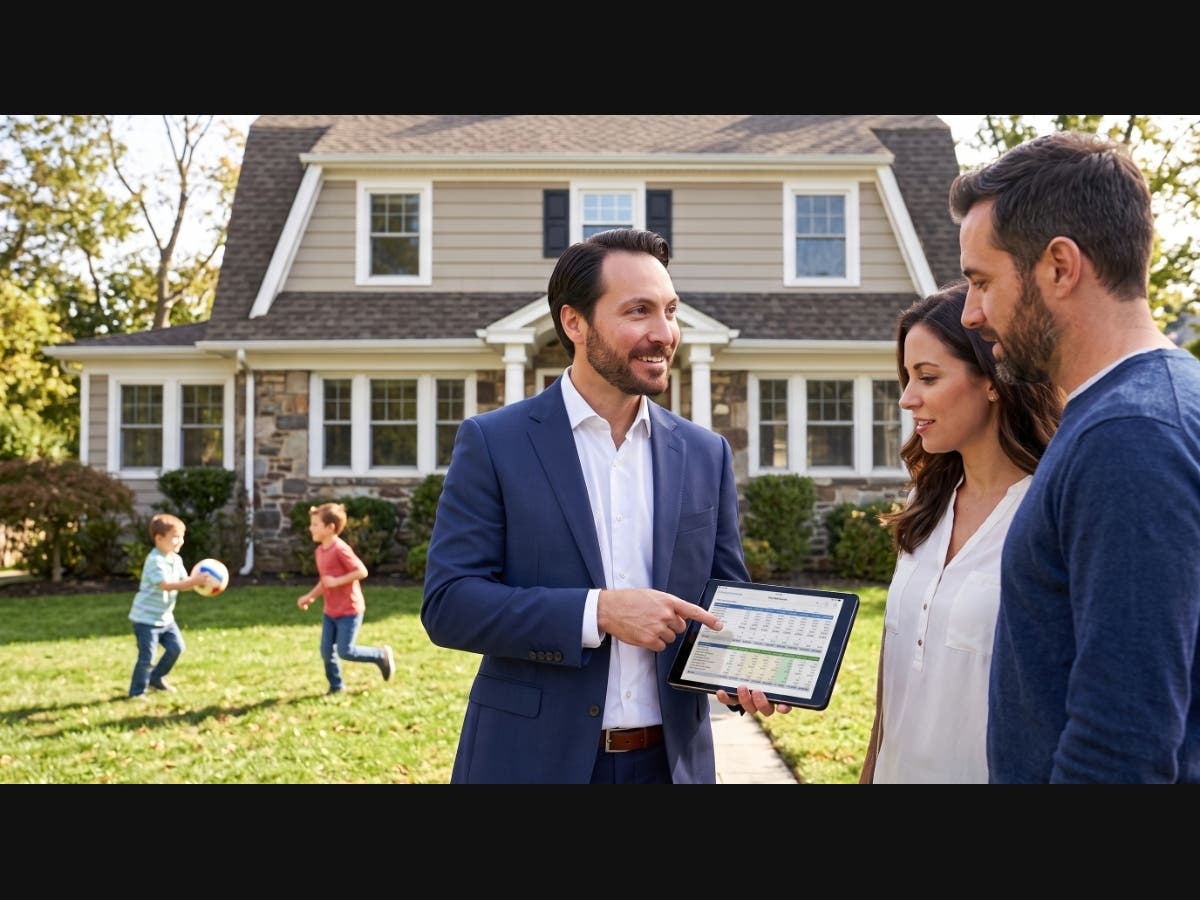
If your family is outgrowing your current Morristown home, you are likely facing a major financial dilemma. You are ready to upsize, whether you need an extra bedroom, a dedicated home office, or a bigger yard in Morris County, but you are sitting on a mortgage with a historically low 3% interest rate.
Your first instinct is entirely logical: "Why would I give up this rate? I will just buy the new house, rent the current one out, let a tenant pay the mortgage, and build passive income!"
Welcome to the trap of the "Accidental Landlord."
Find out what's happening in Morristownfor free with the latest updates from Patch.
As a CPA and a local real estate broker with Coldwell Banker Realty, I regularly sit down with homeowners who want to turn their starter home into a rental property when they upsize. While the math might look great on a basic spreadsheet, the reality of tax law, property degradation, and tenant logistics paints a very different picture.
Here is why holding onto that low interest rate might actually cost you hundreds of thousands of dollars:
Find out what's happening in Morristownfor free with the latest updates from Patch.
1. The Capital Gains Time Bomb This is the single biggest tax mistake accidental landlords make. Under IRS Section 121, if you sell your primary residence, you can exclude up to $250,000 (if single) or $500,000 (if married) of profit from capital gains taxes. However, to qualify, you must have lived in the home as your primary residence for two of the last five years prior to selling.
If you move into your larger home and rent your previous house to a tenant for three years and one day, you lose that entire tax-free exclusion. That massive tax bill will instantly wipe out every dollar of rental profit you made over those three years.
2. The Phantom Tax: Depreciation Recapture Even if you sell before the three-year window closes, the IRS has another trap waiting: Depreciation Recapture. When you convert a primary residence into a rental, the IRS requires you to depreciate the home's value. When you eventually sell, you are forced to pay taxes on that depreciated amount (usually at a flat 25% rate), even if you never actually claimed the deduction!
3. The True Cost of Wear and Tear Being a landlord is a second job, not passive income. A tenant will rarely treat your home with the same care that you did. The thousands of dollars you clear in rental income can easily be negated by a single tenant-caused plumbing disaster or the cost of completely refinishing scratched hardwood floors when they move out.
4. The Nightmare of Selling with a Tenant When you eventually want to sell your previous home, a tenant living there makes it incredibly difficult. Tenants have no incentive to keep the house perfectly clean for showings, and buyers are terrified of inheriting a messy lease situation. In almost every scenario, a house sells for significantly less money when a tenant is actively living in it.
Run the Numbers Before You Rent Since 1955, the Bruen family has helped clients navigate the complexities of North Jersey real estate. Before you take on the liability of becoming a landlord just to save a 3% interest rate on your first house, let's look at the true math.
Ryan Bruen is a CPA and Real Estate Agent with The Bruen Team at Coldwell Banker Realty in Morris County. For a comprehensive, CPA-level ROI analysis comparing the true net proceeds of selling your home versus renting it out, visit bruenrealestate.com.