Community Corner
Digitizing Classrooms a Smart Idea
More New Jersey schools bring technology to students' fingertips.
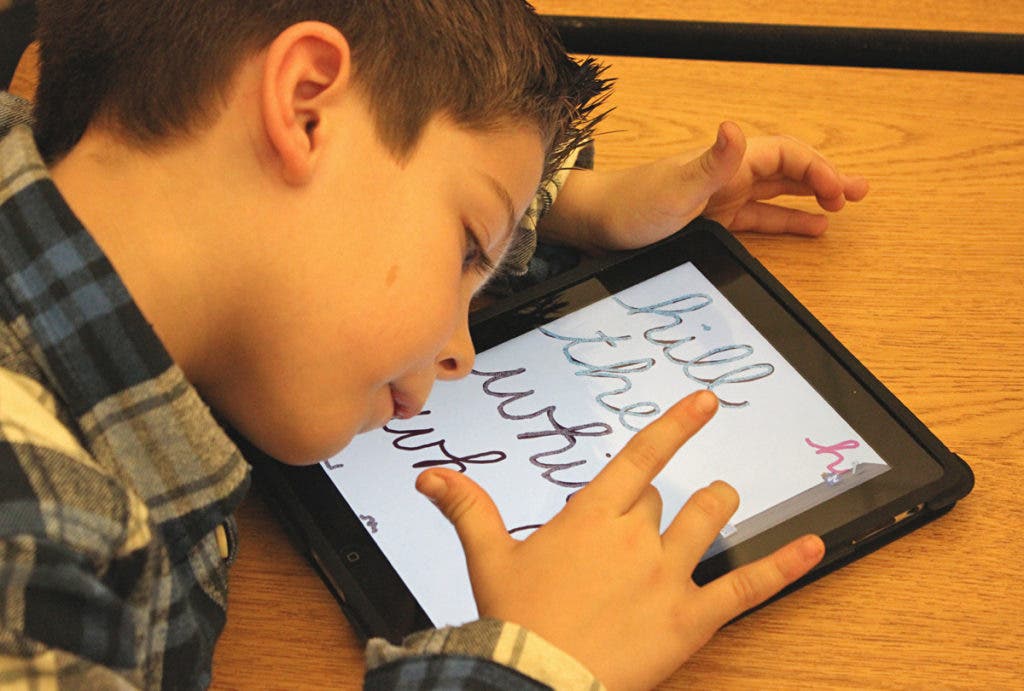
The Morris School District is giving 400 iPad2s to middle schoolers next month; extending a pilot program that begins at the elementary level.
This keeps them on the cusp of an education movement in which a growing number of districts in New Jersey, including Parsippany and Hillsborough, and across the nation are slowly giving students access to cutting-edge technology.
The trick is ensuring the devices are put to maximum use for student learning. That’s not easy.
Find out what's happening in Morristownfor free with the latest updates from Patch.
For one thing, the typical pre-adult knows more about apps—including the very non-educational Angry Birds, Fruit Ninja, Temple Run and thousands of others—than the typical teacher.
For another, technology continues advancing so rapidly that it’s hard to keep up with the volume of changes intellectually and financially.
Find out what's happening in Morristownfor free with the latest updates from Patch.
The Morris School District is using $190,000 in school choice money to buy and insure the devices. They will be the best technology until Apple rolls out iPad3 or another company’s device one-ups them in probably a year, two if they’re lucky.
Schools, like regular folks, have grappled with the same problem in keeping their desktop computers up-to-date. There are still a few stray Windows 95 PCs out there booting up at a snail’s pace and a student who could look up a definition in a dictionary faster than his web browser loads the page is not benefitting from the technology.
It’s expensive to keep current and with the economy continuing to stall and tight caps on spending, schools don’t exactly have the money to keep buying new equipment.
The other problem is how teachers and students use the devices.
It used to be that the computer instructor taught students how to use a computer. Now the students can teach the teacher how to use the tablet.
A district that makes the investment in giving every student a device, be it an iPad, a mini notebook or something similar should ensure that the kids are using them appropriately, which is challenging in itself, but also getting the most out of them.
Teacher training programs are constantly having to update to best prepare new instructors how to use technology in the classroom. Veterans still far outnumber recent education graduates and it takes more than a daylong in-service to get a technophobe who feels comfortable with a bound text and a lesson plan book to revamp his teaching methods.
It’s going to take a complete overhaul of what happens in the classroom to keep education relevant for today’s learners.
There are apps for the preschool set. By the time they graduate from elementary school, most students at least have a cell phone, if not a Smart phone. A 2009 survey found that more than half of all teens texted their friends and a quarter visited a social networking site like Facebook daily; those percentages are undoubtedly higher today.
Savvy youth today can and do get instant answers to questions using their Smart phones. When middle school teachers took their recent graduates to a morning news show concert over the summer, the teens provided their instructors with information about the performer on the spot—she’s battled an eating disorder, substance abuse and was diagnosed with bipolar disorder all before age 20.
They snapped photos and tweeted them, using the hashtag promoted by the show. They reported that they had, indeed, been "on TV," having received text and email messages from parents watching at home.
This is the mindset of today’s student and teachers need to work most effectively with it, cultivating and expanding on what young people already know and do best, while at the same time teaching those who don’t already know or can’t afford the most recent technology.
There is a digital divide, which is why sending devices home with students can be an important equalizer. As long as the students are not running up airtime playing Draw Something online with friends.
The New Jersey Department of Education has set an eventual target of one-to-one availability for students and set as a goal that "All students will be prepared to meet the challenge of a dynamic global society in which they participate, contribute, achieve, and flourish through universal access to people, information and ideas."
A major goal of the U.S. Department of Education’s 2010 Technology Plan involves providing every student with tech access 24/7 and incorporating devices into education in the same way workers use computers and the Internet today.
Two new “virtual” charter schools are opening in New Jersey this year. Like Morris, other schools are piloting programs designed to meet education officials' goals.
Change can be difficult, and expensive, but all districts need to revolutionize the way they teach—the way students learn—to adapt to today’s high-tech realities to keep young people engaged, give them the skills and knowledge they need and best prepare them for a productive future.