Health & Fitness
Flu Season Peaking Earlier Than Usual In Morris County
The flu is up 85% in Morris County, but Morristown Medical Center has tips on how to prevent it.


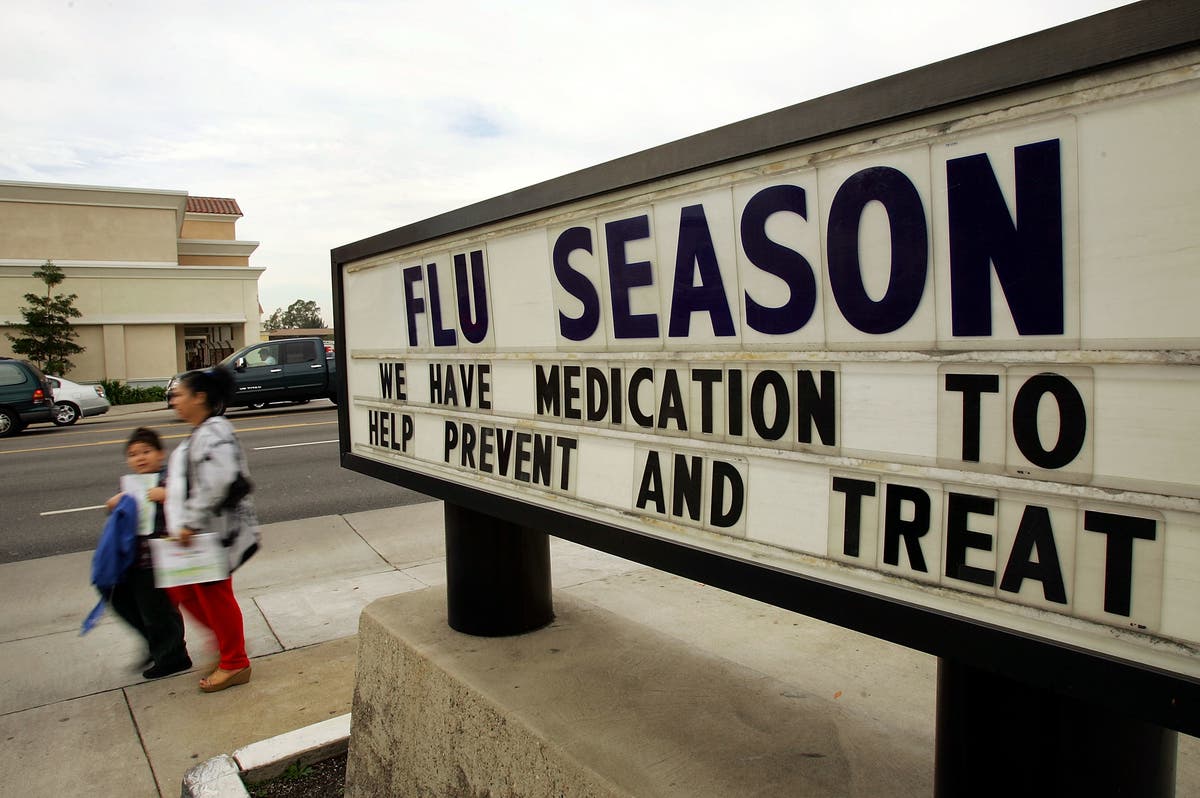
MORRISTOWN, NJ — As the flu sickens people across the country, doctors at Morristown Medical Center want you to know how to prevent catching the virus.
Reports of flu cases are up 85 percent when compared to last year in Morris County, according to the state Department of Health. The strain this year, H3N2, is particularly tough and does not respond well to vaccinations.
As of Jan. 22, the flu has killed one child so far in New Jersey, the state health department said: A 4-year-old child from Central New Jersey died of flu-related complications at the end of December, the state health department confirmed to Patch. The child had not received a flu shot. The state would not disclose where the child was from due to privacy reasons. The state of New Jersey does not keep track of adult deaths from the flu.
Find out what's happening in Morristownfor free with the latest updates from Patch.
Despite its severity, the flu appears to be peaking earlier than usual in northern New Jersey, Dr. Jason Kessler, chief of infectious disease at Morristown Medical Center, told Patch.
“At Atlantic Health System, similar to elsewhere in New Jersey and the country, we are seeing that, preliminarily, the season seems to have an earlier peak compared to last year. However, we cannot definitively assess the severity or intensity of this year’s influenza season compared to years past until the season is complete," Kessler said.
Find out what's happening in Morristownfor free with the latest updates from Patch.
He shared some tips residents can take to lessen their chances of getting sick:
- Get yourself and your family vaccinated with the flu vaccine. This doesn’t always prevent the flu, but can shorten the duration or severity.
- The flu vaccine is safe for children. Work with your child’s doctor to determine an appropriate schedule.
- Don’t go work when you have flu symptoms (fever, muscle aches, vomiting, GI symptoms), and encourage others not to come to work if they are sick.
- Practice frequent hand washing. Wash your hands with an antibacterial soap for 30 seconds under warm water multiple times each day.
- If you have a weakened immune system, consider wearing a mask to protect yourself from exposure.
Symptoms of the flu include fever, cough, body aches, headaches and fatigue. The flu virus is spread through the air, from coughing and sneezing, or by touching something that someone with the virus has touched.
You can pass the flu to someone else both before and while you are sick. Adults may be able to infect others beginning one day before symptoms develop and as many as five to seven days after becoming ill, according to the Pennsylvania Department of Health. Some people, especially young children and those with weakened immune systems, may be able to infect others for an even longer time.
To treat the flu, use over-the-counter medications like ibuprofen or cough syrup to relieve symptoms. Rest in bed and drink lots of fluids. If you contact your doctor within 48 hours of onset of symptoms, you may be able to take an antiviral drug that will reduce the severity of symptoms and the length of illness.
With reporting by Tom Davis, Patch Staff, and Carly Baldwin, Patch Staff
Photo by David McNew/Getty Images
Get more local news delivered straight to your inbox. Sign up for free Patch newsletters and alerts.