Community Corner
Morris County Motorists Urged to Stay Alert During Deer Breeding Season
New Jersey wildlife officials provide New Jersey drivers with tips on how to stay safe during the current breeding season.


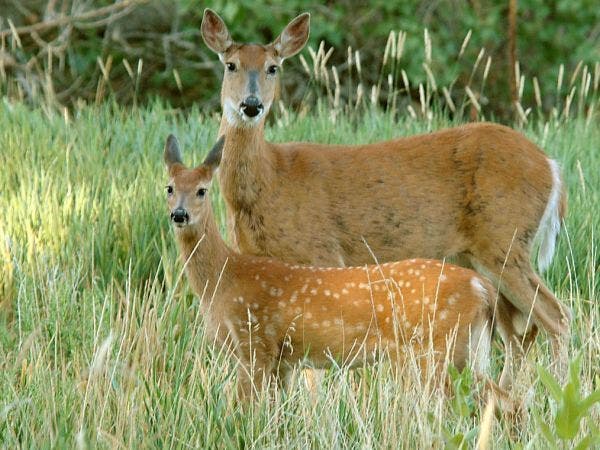
New Jersey wildlife officials urge motorists to look out for white-tailed deer that unexpectedly run into the road during the fall breeding season. Accidents involving deer usually happen during morning and evening commutes, since visibility may be poor, according to experts from the state Department of Environmental Protection’s Division of Fish and Wildlife.
Half of the deer in New Jersey come to the state during fall mating season — also known as rutting season. The peak rutting season runs from late October, throughout November and into mid-December in all areas of New Jersey. The rutting season begins earliest in northern regions of the state.
“People should always be alert for deer when driving, but especially at this time of year, when deer can suddenly run onto any roadway, from busy highways to country roads,” Division of Fish and Wildlife Director David Chanda said. “One moment of inattentive driving can result in serious or even life-altering consequences.”
Find out what's happening in Morristownfor free with the latest updates from Patch.
An adult male deer typically weighs 150 pounds or more and can greatly impact an accident. Motorists should inform the Department of Transportation if they see a dead deer on the street or highway. County and municipal governments are in charge of removing deed deer from the roads they maintain.
Motorists are provided with the following tips to stay safe during rutting season:
Find out what's happening in Morristownfor free with the latest updates from Patch.
- Slow down when you see a deer and pay attention to possible sudden movement. If the deer doesn't move from the street, don't drive around it —wait for the deer to pass.
- If you see one deer, be alert. Deer normally move in family groups at this time of year.
- Watch out for "Deer Crossing" signs. Slow down when you travel through these areas, which are known to have a high concentration of deer.
- Use high beams when there's no oncoming traffic if you're driving after dark.
- Always wear a seatbelt, drive at a safe speed, and refrain from using your cell phone while driving. Take into consideration weather, available lighting, traffic, curves, and other road conditions.
- If a collision seems inevitable, don't swerve to avoid impact. Collisions are more likely to become fatal when a driver swerves and collides with oncoming traffic or a fixed structure in the road. Brake appropriately and stay in your lane.
Photo courtesy of USFWS Mountain-Prairie/Flickr
Get more local news delivered straight to your inbox. Sign up for free Patch newsletters and alerts.