Health & Fitness
Avoid Summer-Related Poisonings During Your Staycation
Poisoning mishaps happen often, but they are preventable


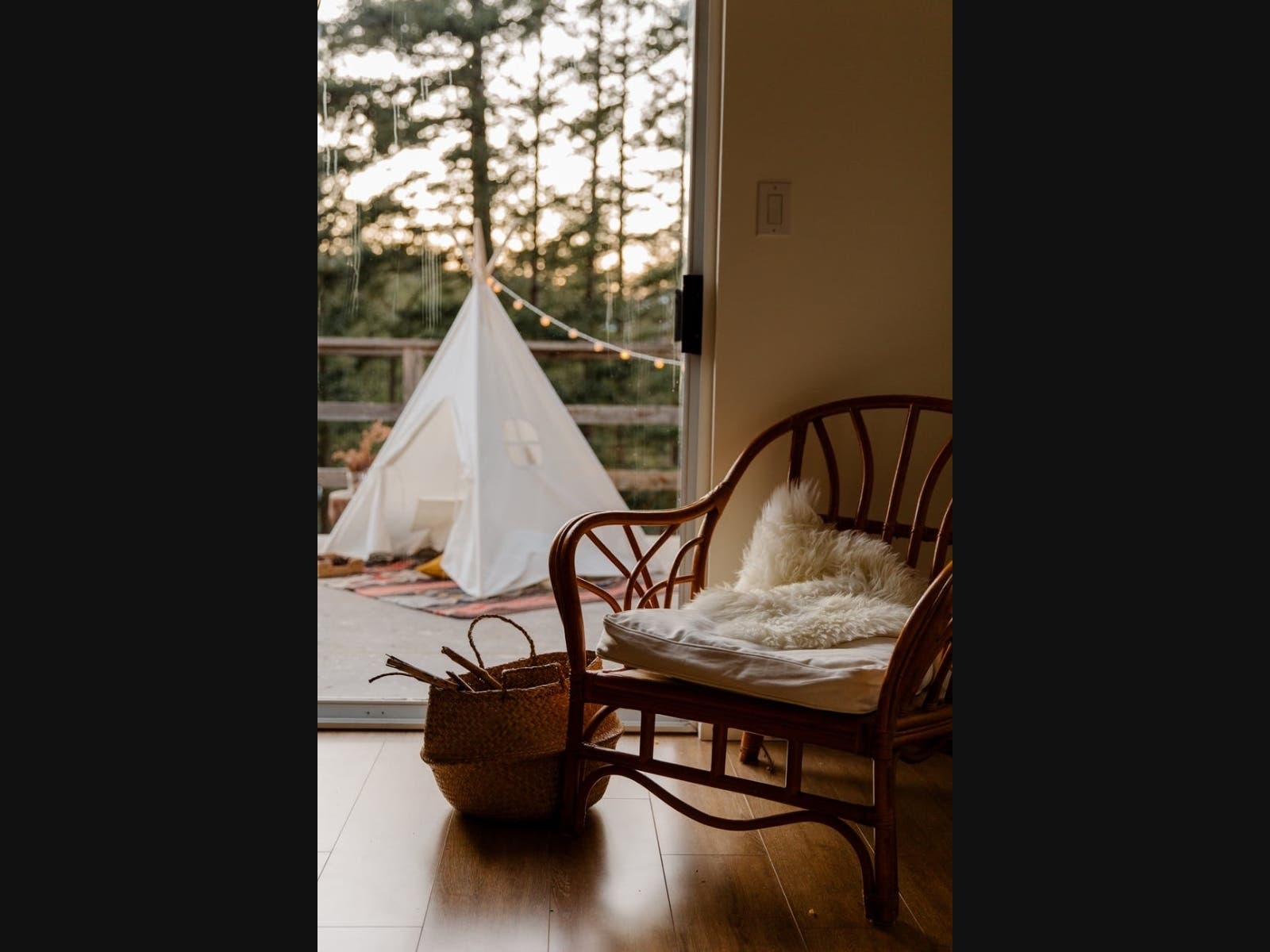
(Newark, NJ) – Although the unofficial start of summer is here, many states including New Jersey remain under stay-at-home orders with travel restrictions still in place. The COVID-19 pandemic has heavily impacted summer vacations and travel plans, causing residents to either cancel or postpone plans until after the restrictions are lifted. With Memorial Day weekend just a few days away, New Jersey residents will undoubtedly be celebrating this holiday weekend as a staycation. While social distancing is a necessary strategy in stopping the spread of SARS-CoV-2 (virus that causes COVID-19), spending more time at home increases the opportunity for accidental mishaps which may lead to serious poisoning injuries.
“As you enjoy the upcoming holiday weekend, please be proactive about your health as it’s far easier to prevent a tragedy than to treat one,” says Diane Calello, MD, executive and medical director of the New Jersey Poison Control Center at Rutgers New Jersey Medical School’s Department of Emergency Medicine. “Poisoning mishaps can happen to anyone, at any time, anywhere especially when we’re distracted and not paying attention to what’s happening around us at home. Although common dangers lurk inside and outside our homes, the good news is that accidental exposures are preventable by following simple, poison safety strategies.”
10 Ways to Prevent Summer-Related Poisonings
Find out what's happening in Newarkfor free with the latest updates from Patch.
- When preparing food, do not cross-contaminate. Wash hands with soap and water before and after handling raw food. Cooked foods should not be placed on plates or in containers that previously held raw meat, poultry, fish, or seafood without washing them with soap and water first. Raw foods can be contaminated with bacteria, viruses and parasites which can cause severe illness (food poisoning). If you have any kind of respiratory illness or infection, including coronavirus, do not prepare or serve food to others as this puts them at significant risk of becoming sick.
- Marinate food in the refrigerator and not on the counter. Do not put the marinade that had contact with raw meat, fish or poultry on cooked foods. Doing so significantly increases the risk for food poisoning.
- Use caution while being in the sun as some medications can greatly increase the risk for heat-related illness and/or severe sunburn even when using sunscreen. Limit your time in the sun during the hottest times of the day, between 10am to 3pm. Apply/reapply broad-spectrum sunscreen that is water-resistance, SPF 30 or higher, and contains zinc oxide and/or titanium dioxide as active ingredients.
- Carbon monoxide (CO) poisoning is always a serious threat, even during the summer. Gas generators, typically used after power outages, should be placed 20 feet away from your home and your neighbors. Grills, pressure washers, camp stoves and other gas/propane or charcoal-burning devices should never be used indoors (in a garage, shed, camper, tent, etc.). CO poisoning can also occur while boating as exhaust fumes from idling boats can build up and cause dangerous health to swimmers and others in the area. Do not idle boats, and always swim and play away from rear swim decks or water platforms where engines usually vent.
- Store charcoal lighter fluid and lamp/torch oil in locked cabinets, away from food and drink items. Lamp oil refill bottles closely resemble juice containers and mistaken identity mishaps happen often. Swallowing these products can lead to serious poisoning and even death in children and pets.
- Use caution when drinking alcoholic beverages while taking medicine. Many ingredients used in medicines can interact dangerously with alcohol causing side effects like nausea, vomiting, drowsiness, fainting, and/or loss of coordination. It can also put you at risk for internal bleeding and other serious health effects. Dangerous interactions can still occur even if the medicine and alcohol were not ingested at the same time.
- Do not pick or eat plants/mushrooms growing in the wild, even those you find in your own yard. Many people suffer serious health effects and even die each year from mushroom poisoning.
- If children and pets are present, limit their access to cigarette/cigar butts, alcohol, liquid nicotine/vaping devices, and THC-containing products. Do not leave these products unattended, keep them locked up or up high and out of sight and reach. These products can be extremely dangerous and cause serious health effects including death even when ingesting small amounts. Accidental poisoning exposure happen quickly and may have permanent consequences.
- Be on the lookout for poison ivy, oak, and sumac when spending time outdoors. These poisonous plants are common causes of seasonal, allergic contact dermatitis (rash). When touched, the oils from the plant can cause a mild to severe itchy rash – blisters, swelling, and redness. Do not scratch the rash as the dirt from your nails and hands can cause an infection.
- When using powdered chlorine to treat a swimming pool, avoid shaking the container to minimize dust, fumes and splashes. Open containers only in well-ventilated areas and preferably outdoors. Never mix chlorine with ammonia, an acid or other cleaning solutions. Doing so produces toxic gases that can have life-threatening effects.
If you have questions, concerns or an emergency regarding a poisoning exposure, contact the health professionals at your local poison control center, 1-800-222-1222. Do not wait until symptoms occur or spend critical time looking for medical information online. Get the immediate medical help you or a loved one needs; services are free, confidential, available 24/7, and information can be communicated in any language. If someone is unconscious, not breathing, hard to wake up, or having a seizure, call 9-1-1 immediately.
New Jersey residents can reach their poison center in the following ways: Call (1-800-222-1222), Text (973-339-0702), or Chat via our website.
Find out what's happening in Newarkfor free with the latest updates from Patch.
Help is Just a Phone Call Away! Real People. Real Answers.
Stay Connected: Facebook (@NJPIES) and Twitter (@NJPoisonCenter) for breaking news, safety tips, trivia questions, etc.
Media contacts only: Alicia Gambino (gambinaa@njms.rutgers.edu) of NJ Poison Control Center at Rutgers New Jersey Medical School