Health & Fitness
Common Dangers During the Back-to-School Rush
Many households in New Jersey have a similar experience during the morning rush — at any minute, things can go wrong.


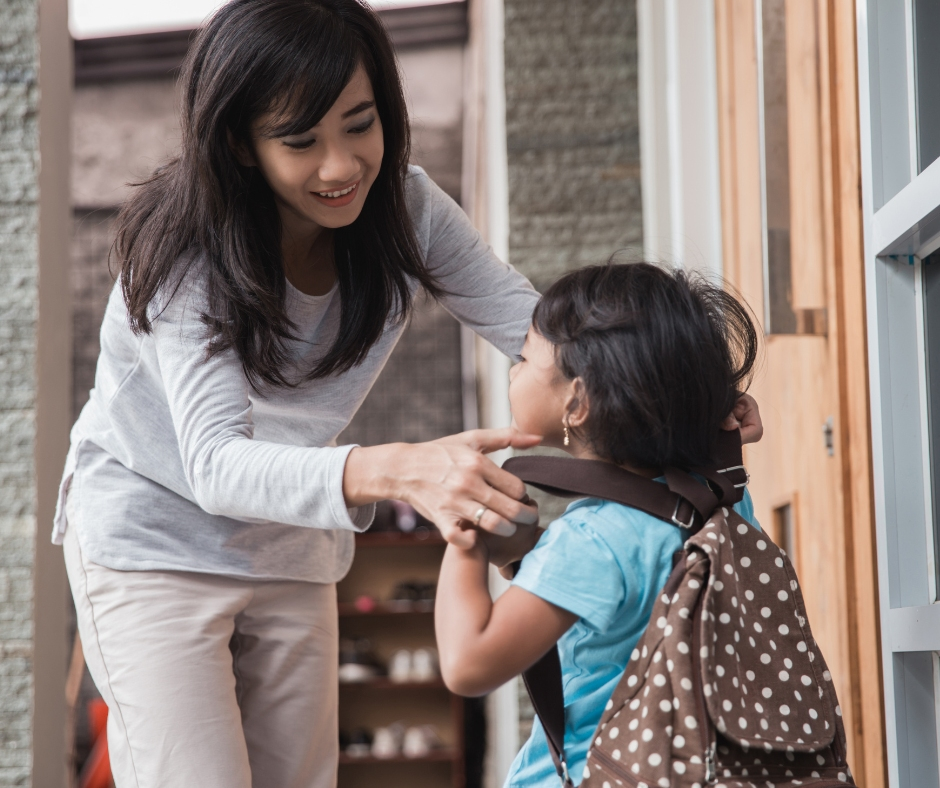
The kids can’t find their shoes, the teen is still in bed, and one parent gives the child a dose of medicine followed by another person accidentally doing the same. What should a parent/caregiver do when a double dose of medicine is given? Call the NJ Poison Control Center to determine if any action is needed.
Saying mornings are stressful is an understatement. When we are busy or distracted accidents and mishaps involving potentially dangerous products and substances are more likely to happen both at home and school.
“September is not only a busy time for families and school employees, it’s also a busy time for us at the poison center,” says Diane Calello, executive and medical director of the New Jersey Poison Control Center at Rutgers New Jersey Medical School. “Potentially dangerous products are commonly found where we live, work, and play. Situations can become dangerous quickly and without warning.”
Find out what's happening in Newarkfor free with the latest updates from Patch.
Most think of the classroom as a place with no/few potentially dangerous substances, however many of the substances we’re taught to look out for at home can also be found in schools and classrooms. Products and substances can be dangerous if used in the wrong way, in the wrong amount, or by the wrong person — including medicines, cleaners, disinfectants, school and craft supplies, hand sanitizers, vitamins and supplements, food/lunches, coin/disc batteries, alcohol, and marijuana edibles.
“When you combine easy access to potentially dangerous products with unsafe storage, dangerous health outcomes can occur for humans and pets,” says Calello. “Every day, people of all ages are exposed to potentially dangerous items ranging from medicines and chemicals to adult recreational products and substances of abuse.”
Find out what's happening in Newarkfor free with the latest updates from Patch.
The NJ Poison Control Center’s daily caseload involves both accidental and intentional exposure to products and substances found in all environments – including home, work, school, outdoors, friends, and family.
Calling the poison control center first for medical help can make a difference between a mild health effect and a more serious one, which may result in a trip to the hospital. “The poison center is not only a trusted medical resource for parents and caregivers, but also school administrators, teachers, and nurses,” says Calello. “With the poison center’s help, most people don’t have to go to the emergency room or seek other medical services.”
Follow these safety tips to prevent coming in contact with potential poisons at home and school.
Safety should begin at home:
- Keep track of medicines at home to prevent accidental exposure, misuse, or abuse. Medicines should be locked up after every use to ensure they are not accidentally or intentionally ingested or stolen.
- All products, including adult recreational substances (alcohol, cannabis/marijuana edibles, vapes), household cleaners/chemicals, and medicines should be kept in their original containers. Keep these products out of sight and reach of kids and pets. Storing them in a locked area is safest. Read warnings and follow the directions on labels.
- Improper food storage should be a concern when packing school lunches. Before preparing lunch, remember to wash hands and surfaces, and pack food in appropriate containers. Hot food should be kept hot by using thermoses and other insulated containers. Cold food should be kept cold by using ice packs or cooling bags. Since most children don’t have access to refrigerators while in school, pack foods in insulated lunch bags to prevent illness from spoiled food (food poisoning).
Safety in the classroom (and at home):
- Hand sanitizers contain extremely high levels of alcohol and can be dangerous if accidentally or intentionally ingested. Young children should have limited, monitored access to hand sanitizer and it should not be kept in their backpacks, lunch bags, or luggage.
- While frequent cleaning of surfaces is especially important to prevent illnesses like cold, flu, and COVID-19, safe use of cleaners, disinfectants, and sanitizers is important. Products should NEVER be mixed. The combination of chemicals can cause toxic fumes.
- All supplies, whether provided by the school or brought in by students and parents, should be labeled non-toxic and kept in their original containers.
- Frequent handwashing, especially before eating as well as before and after close interaction with others, is the best way to remove germs, bacteria, and allergens from hands. While hand sanitizers help stop the spread of germs, washing hands with soap and water for at least 20 seconds is most effective.
- Watch children outdoors. Many potential poisons hide in plain sight, including poison ivy, toxic wild mushrooms, pest control products, and maintenance chemicals.
Teachers and school staff can use this checklist to help prevent accidental poisonings in their classrooms and school.
If you think someone came in contact with something dangerous, contact your local poison control center immediately. Medical specialists are available to provide information, answer questions, and provide emergency support 24 hours a day.
Anyone can call for medical help – children, teens, and adults. Poison control centers are a medical resource for both the public and healthcare providers.
Call the NJ Poison Control Center at 1-800-222-1222 or Chat Here
If someone is not breathing, hard to wake up, or having a seizure, call 9-1-1
Stay connected on social: Facebook Twitter Instagram YouTube
Media contacts only: Alicia Gambino (gambinaa@njms.rutgers.edu), NJ Poison Control Center at Rutgers New Jersey Medical School