Politics & Government
Latina Workers In NJ Face One Of America's Ugliest Pay Gaps
Latina workers in New Jersey earn less than half of what white men make. Here are some reasons why – and what can be done to fix the gap.



NEW JERSEY — Latina women are paid less in New Jersey than almost any other state in the U.S., a recent report says.
The Center for Women and Work (CWW) at Rutgers University released an eye-opening study this week, which took a hard look at the “Latina Wage Gap in New Jersey.” Read the report in Spanish here, and learn more about its methodology here.
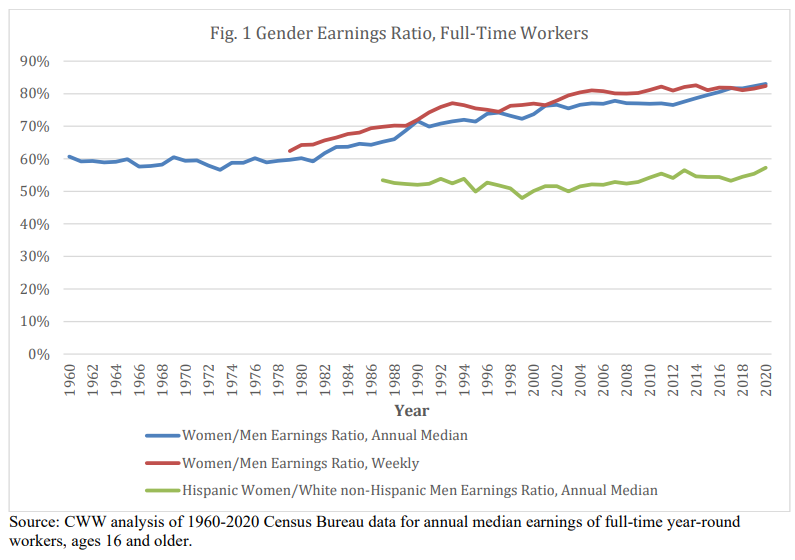
How bad is it? In New Jersey, for every dollar that non-Latino, white men earned, Latinas made a measly 46 cents. Nationally, Latina women didn’t fare much better, earning about 57 cents for every dollar, researchers said.
Find out what's happening in Newarkfor free with the latest updates from Patch.
Only California has a worse pay gap, where Latinas earned about 45 cents on the dollar as compared to their peers. Even in the most balanced states – Vermont, Alaska and Hawaii – Latina women saw relative earnings ratios of just 75 cents on the dollar.
Across the U.S., Latinas’ relative earnings have “barely budged” since 1987, the CWW reported.
Find out what's happening in Newarkfor free with the latest updates from Patch.
Article continues below
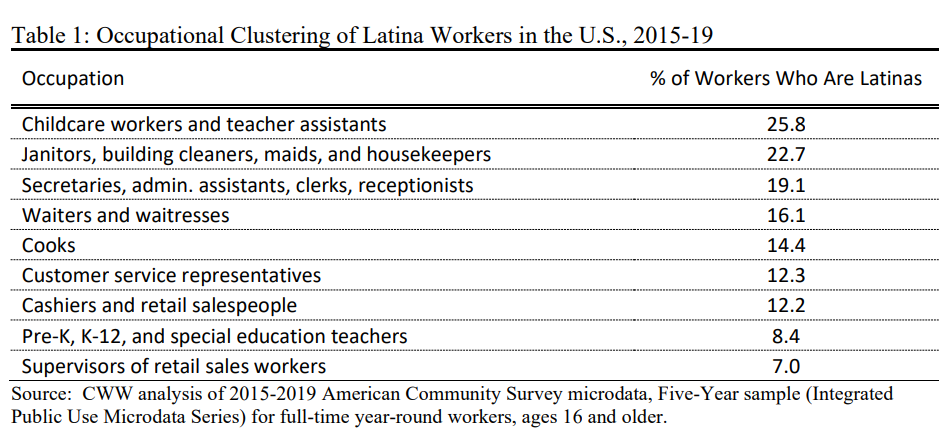
Rutgers researchers offered several theories as to why the gap exists. One big reason? Latina workers are being “segregated” into low-paying service jobs.
Nationally, Latina workers make up 33 percent of the service sector, while they comprise only about 1 percent of the highest-paying STEM positions, researchers said. The disparity is especially noticeable in the child care and teaching assistant fields, where one-fourth of all employees are Latinas.
To make things worse, many of these low-paying jobs also come with another ugly perk: sexual harassment. It’s especially bad in the restaurant industry, where 60 percent of women – and 46 percent of men – say harassment is a routine part of the workplace. And in New Jersey, where tipped workers are paid just $2.13 an hour, many women feel they have no choice but to grin and bear it to make a living, researchers said.
Another reason for the Latina pay gap in the Garden State is the so-called “motherhood wage penalty,” where women with children earn less than equally qualified women without children for doing the same job, Rutgers researchers said. In New Jersey, Latina mothers make 65 percent less than white, non-Latino fathers – one of the largest disparities in the country.
It’s a problem that gets worse when low-wage workers try to find child care, researchers said.
“Juggling a career and caretaking requires flexible job scheduling and support structures,” the CWW said. “Latina workers often lack access to jobs that have flexible scheduling and are unable to afford quality child care.”
- See related article: Kamala Harris Visits New Jersey To Push For Child Care, Vaccines
- See related article: Work Or Kids? NJ Parents Find Tough Choices Amid COVID Pandemic
Ironically, the state’s overall diversity may be adding to the pay gap. According to researchers:
“New Jersey is one of the most diverse states in the country, and overall, 21% of the state’s population is Latinx, compared to 18.5% of the U.S. population. This diversity has implications for the Latina earnings gap in New Jersey. For example, nationally Honduran women earn only 44% of White, non-Latino men’s earnings, while Argentinian women earn 83% of what White, non-Latino men earn. In 2021, the largest group of Latin immigrants in New Jersey hailed from the Dominican Republic, Mexico, and Colombia (8.8%, 5.5%, and 4.1% of foreign-born residents respectively). Dominican and Mexican Latinas both make 50% of a White, non-Latino man’s earnings, which is less than the national average of 55%, while Colombian Latinas make on average 65% of a White, non-Latino man’s pay, which is above both the national and New Jersey average. The relatively large representation of Dominican and Mexican immigrants in New Jersey and their relatively high pay gaps helps to explain why New Jersey’s ranks 49th among all states in terms of the Latina pay gap.”
The impact of the coronavirus pandemic – which caused what some are calling a “shecession” – didn’t help, researchers added:
“The COVID-19 pandemic had an enormous negative impact on employment in the U.S., and the available evidence indicates that women in low-wage jobs were hit hardest by business closures in 2020. However, women were not all equally harmed by what some are calling a “Shecession.” Latinas constituted 23 percent of job losses during the height of the pandemic, substantially above their population share, and most of these losses were in the hotel and restaurant sector as well as in entertainment and recreation. Latinas saw the highest unemployment rate of all demographic groups during the pandemic.”
FIXING THE GAP: WHAT CAN BE DONE?
According to the CWW, there are several steps New Jersey can take to tackle its ugly pay gap.
UNIONIZE – “Unions make a big difference for Latina workers. Collective bargaining agreements have also been found to reduce pay gaps, with Latinas earning 44% more in a union than outside of it. At the national level, the labor movement has increasingly incorporated a wider diversity of workers, and more women of color have taken on leadership positions. This change bodes well as Latina union members and leaders are pushing for structural changes within the labor movement that amplify the voice of Latina workers and push for real improvements in their terms of employment.”
RAISE THE MINIMUM WAGE – “One of the most important policy levers for lifting the incomes of low-income workers is the minimum wage. Because the female earnings distribution falls to the left of the male earnings distribution in the U.S., raising the minimum wage should help to close the overall male-female earnings gap as well as the Latina wage gap. Critics argue that employment losses from minimum wage-induced increases in production costs are substantial. Advocates, however, argue that employment losses are small and any reallocation of resources that occurs will result in a welfare-improving outcome through the reduction of poverty and an improvement in productivity. Because low-wage workers experience the strongest wage boosts from increases in the minimum wage, this legislation can be a powerful tool to reduce the Latina pay gap. Since a disproportionate amount of Latina workers are in minimum and low wage jobs, raising the minimum wage would affect approximately 1 in 3 Latina workers. The federal minimum wage is $7.25/hour, which is not considered a living wage in most parts of the country. In part reflecting the ‘Fight for $15’ movement, the New Jersey state government did raise the minimum wage to $15/hour, to be incrementally implemented through 2024. As of October 2021, the state’s minimum wage stood at $12/hour, one of the highest in the country.”
BETTER CHILD CARE – “A crucial way to close the Latina pay gap is to strengthen the care infrastructure, especially through the provision of affordable child and elder care services and by elevating the status of care workers. Given the high representation of Latinas among paid care providers, it is crucial to improve their working conditions, raise their pay, and include more benefits in their terms of employment. Deficits in the care infrastructure are a key determinant of the gender pay gap, and this issue has gained increasing attention during the COVID-19 pandemic as the need for childcare provision and homeschooling rose dramatically when schools closed. Lockdown policies and the spread of the virus contributed to greater unpaid workloads for both women and men, yet the increased care work and housework responsibilities have fallen disproportionately on the shoulders of women. Priorities for strengthening the care infrastructure to respond to the pandemic and, in the longer term, to reduce the pay gap, include providing paid family leave and paid sick leave, creating universal free childcare and long-term eldercare, boosting pay equity and job creation in nursing, and improving working conditions and pay for paid care providers.”
MORE STEM EDUCATION – “Because access to education and training are important for the success of Latina workers in the labor market, institutional strategies to reduce bias and discrimination in academic programming are a key strategy for promoting advancement. Most of these strategies include ongoing training and professional development programs for educators, which are most effective if they begin at the post-secondary level in teacher preparation programs. This approach can help improve access to advanced coursework such as honors, Advanced Placement, and higher-level STEM courses, where Black and Latinx students have been traditionally underrepresented, thus contributing to occupational segregation. This access also extends to apprenticeships and career and technical education pathways, both of which offer real opportunities for increased earnings.”
PREVENT SEXUAL HARASSMENT – “There is no quick fix to preventing sexual and gender-based harassment. It is going to take changing our culture in the workplace and beyond and adapting legal structures that are more inclusive of all workers. At the same time, we know that relying on legal systems alone will not be enough to reduce the prevalence of sexual harassment. It is also going to take developing a better understanding of what prevention strategies work best to protect workers from experiencing sexual harassment. It is going to take meaningful implementation of bystander intervention programs that views everyone as a potential ally in preventing and combating sexual harassment and gives them the tools and skills to address harassment.”
Send news tips and correction requests to eric.kiefer@patch.com
Sign up for Patch email newsletters. Learn more about posting announcements or events to your local Patch site.
Get more local news delivered straight to your inbox. Sign up for free Patch newsletters and alerts.