Schools
Lead In Water: Newark School Admins Downplay Teachers Union 'Leaked' Memo
Have Newark school administrators known about potentially elevated levels of lead in the district's water supply for years?


Newark, NJ – Have Newark school administrators known about potentially elevated levels of lead in the district’s water supply for years?
The answer is yes… but with an explanation.
Last week, the Newark Public School District’s announced that elevated readings have been found at 30 schools in its jurisdiction.
Find out what's happening in Newarkfor free with the latest updates from Patch.
- See related article: Newark Schools Confront Elevated Lead Levels: Mayor Calls For Bottled Water Donations
Shortly afterwards, the Newark teachers union released a memo that suggested district administrators and staff knew about the elevated lead levels since 2014.
- See related article: Newark Was Warned, Memo Says: Lead In School Water Supply Is A 'Smoking Gun'
But school administrators are saying that the teachers union’s bombshell memo is actually just an example of a maintenance letter that “reinforce common protocols that have been used to manage water quality in schools.”
Find out what's happening in Newarkfor free with the latest updates from Patch.
Such letters have been sent out since 2004, school officials asserted in a news release on Monday.
“The information that has been shared recently by the Newark Teachers Union unfortunately mischaracterizes the historical nature of water quality management in Newark Public Schools,” district spokeswoman Dreena Whitfield stated.
“Water quality and lead level management is an on-going responsibility of any municipality, school district, or organization; particularly for those with building stock that was built before lead regulations were put into place in the 1970's and 1980's, like the Newark Public Schools,” Whitfield stated.
“We can confirm that our outside laboratory conducted testing between 2012 and present, and that these results were shared with and reviewed by district staff,” Whitfield stated. “We are continuing to review historical records to better understand exactly what remedial actions were taken in past years in response to elevated readings. This review requires pulling records, past work orders and tracking the details of each remedial act. Documenting full compliance with NPS directives will be difficult over a period that spans over a decade and dates back to the Bolden Administration.”
“We expect to have a full set of results, and more comprehensive answers about specific remedial actions available to the public this week,” Whitfield added.
“Our number one priority in the coming days will continue to be to make sure that our students and staff have access to healthy drinking water. With that in mind, we are working as quickly as we can to also conduct a comprehensive review of past records regarding water quality management and actions associated with that management.”
A HISTORY OF LEAD
According to Newark school administrators, the Newark Public Schools began a water system flushing program of all water sources used for drinking and food preparation in 2004.
The 2004 procedure was undertaken in conjunction with the federal EPA Region 2, as a means by which lead levels can be maintained at the federal standard of 15 ppb or below, school officials stated.
The head custodian under the direction of the principal of each school was charged with ensuring this protocol is followed daily. In addition, lead reduction filters were installed throughout the school district and high lead content fixtures were removed and replaced.
Since that time, the district has maintained several protocols for water quality management, according to school administrators:
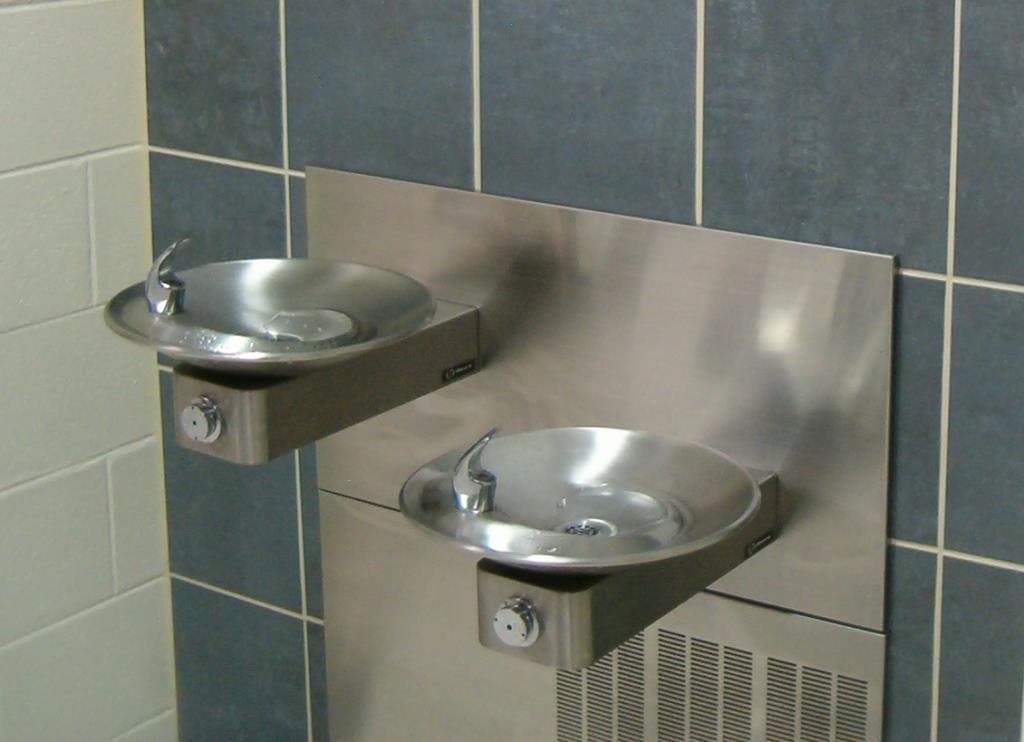
- Lead reduction filters in place on all water fountains and kitchen sinks across the district
- Regular replacement of those filters; monitored by the head custodian in each building
- On-going guidance to schools on flushing protocols
- Annual tests of lead level in water
- Remedial actions when elevated samples are detected - replacing fixtures, filters, or pipes as needed
Get more local news delivered straight to your inbox. Sign up for free Patch newsletters and alerts.